
24 Hour Emergency Electrician: When to Call & What to Expect
Electrical emergencies never follow a convenient schedule. They strike at midnight, during holiday weekends, or in the middle of severe weather when you least expect them. Having access to a reliable 24 hour emergency electrician can mean the difference between a minor inconvenience and a catastrophic situation that endangers your family and property. Understanding when to call for emergency electrical services, what to expect during the process, and how to prepare for these situations empowers homeowners to respond quickly and safely when electrical crises occur.
Understanding Electrical Emergencies
Not every electrical issue requires immediate attention from a 24 hour emergency electrician. However, certain situations demand urgent professional intervention to prevent fires, electrocution, or extensive property damage.
Critical Situations Requiring Immediate Response
Life-threatening electrical problems include exposed wiring, electrical fires, burning smells from outlets or panels, sparking electrical components, and water contact with electrical systems. These scenarios create imminent danger and require immediate action.
When you notice smoke, flames, or burning odors originating from electrical outlets, switches, or your main panel, evacuate immediately and contact emergency services before calling an electrician. The Electrical Safety Foundation International provides valuable resources on recognizing and preventing electrical hazards in residential settings.
Additional urgent situations include:
Power outages affecting only your property while neighbors have electricity
Buzzing, crackling, or sizzling sounds from electrical panels
Electrical shocks when touching appliances or switches
Flickering lights throughout multiple rooms simultaneously
Circuit breakers that repeatedly trip immediately after resetting
Non-Emergency Electrical Issues
Some electrical problems, while requiring professional attention, don't necessitate emergency service. A single non-functioning outlet, a broken light fixture, or scheduling routine electrical upgrades can typically wait for regular business hours when service rates are lower.
Understanding this distinction saves money while ensuring you get help when genuinely needed. If you're uncertain whether your situation constitutes an emergency, contact Evolve Electrical for guidance on the appropriate response timeline.
What a 24 Hour Emergency Electrician Provides
Emergency electrical services extend far beyond standard repairs. These professionals arrive equipped to handle complex, dangerous situations that cannot wait until morning.
Immediate Safety Assessment
The first priority when a 24 hour emergency electrician arrives involves assessing immediate safety risks. This evaluation determines whether the electrical system poses active threats to occupants or structures. Professionals conduct thermal imaging scans, voltage tests, and visual inspections to identify hidden dangers.
Specialized equipment enables emergency electricians to work safely in hazardous conditions. They carry insulated tools, protective gear, circuit analyzers, and materials needed for temporary or permanent repairs across various emergency scenarios.
Service Type | Response Priority | Typical Duration |
Electrical fires | Critical - Immediate | 1-3 hours |
Power failures | High - Within 1 hour | 2-4 hours |
Sparking outlets | High - Within 1 hour | 1-2 hours |
Circuit issues | Medium - Within 2 hours | 1-3 hours |
Diagnostic and Repair Capabilities
Modern electrical systems involve complex networks requiring specialized knowledge. Emergency electricians possess expertise in residential wiring, smart home systems, automated controls, and traditional electrical infrastructure.
They diagnose problems using advanced testing equipment that reveals issues invisible to untrained eyes. Thermal cameras detect hot spots indicating dangerous wire degradation. Circuit tracers identify specific problem areas within extensive wiring networks. Multimeters measure voltage irregularities that signal potential failures.
Repair work adheres to NFPA 70: National Electrical Code standards, ensuring all emergency repairs meet current safety requirements. This compliance protects homeowners from future liability while maintaining insurance coverage validity.
Preparing for Electrical Emergencies
Proactive preparation significantly improves outcomes during electrical crises. Taking specific steps before emergencies occur reduces response times and minimizes damage potential.
Creating an Emergency Response Plan
Document the location of your main electrical panel and ensure all household members know how to safely shut off power. Label circuit breakers clearly to facilitate rapid identification during emergencies. Keep a flashlight near the panel for nighttime access.
Essential information to maintain includes:
Emergency electrician contact numbers saved in multiple locations
Electrical panel diagram showing circuit assignments
Backup power source locations and operating instructions
Insurance policy details for electrical damage claims
Utility company emergency contact information
The American Red Cross provides guidance on preparing for and responding to power outages, which often accompany electrical emergencies.
Safety Equipment and Supplies
Every home should maintain basic electrical emergency supplies. Fire extinguishers rated for electrical fires (Class C) should be accessible on every floor. Battery-powered lighting provides safe illumination without creating additional electrical load during crises.
First aid kits should include burn treatment supplies specifically designed for electrical injuries. Keep emergency contact numbers posted near phones, including poison control, utility companies, and your preferred 24 hour emergency electrician.
Cost Considerations for Emergency Electrical Services
Understanding pricing structures for emergency electrical services helps homeowners make informed decisions during stressful situations.
Emergency Service Pricing Models
Emergency electrical work costs more than scheduled service due to immediate availability requirements, after-hours labor, and rapid response capabilities. Most 24 hour emergency electrician services charge premium rates during nights, weekends, and holidays.
Typical cost components include:
Emergency call-out fee (covers initial response and assessment)
Hourly labor rate (higher than standard daytime rates)
Materials and parts (sometimes marked up for immediate availability)
Diagnostic testing fees (may be waived if repairs are performed)
Transparent pricing should be discussed before work begins whenever possible. Reputable electricians provide estimates and explain cost structures, even during emergencies. However, some situations require immediate action before detailed pricing discussions can occur.
Insurance and Payment Options
Homeowners insurance often covers electrical emergency repairs, particularly when related to covered perils like storms or accidental damage. Document everything thoroughly with photographs and detailed notes for insurance claims.
Many emergency electrical service providers offer payment plans or financing options for unexpected expenses. Discuss these possibilities when scheduling service to avoid financial stress compounding emergency situations.
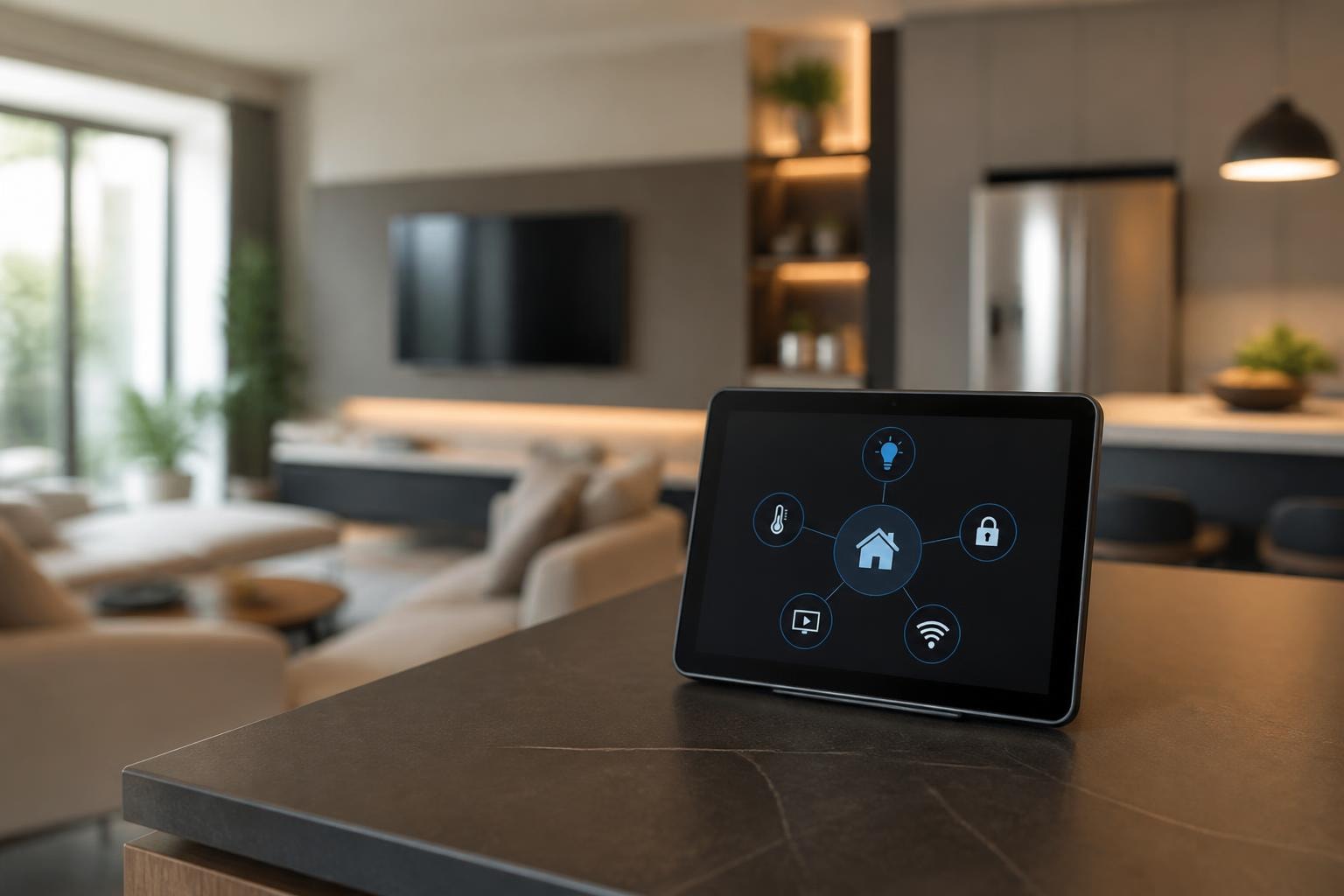
Smart Home Integration and Emergency Response
Modern homes increasingly incorporate smart technology that affects electrical emergency responses. Understanding these systems' roles during crises proves essential for effective emergency management.
Automated Safety Features
Smart home systems can detect electrical anomalies before they become emergencies. Advanced circuit protection devices monitor power consumption patterns and alert homeowners to unusual activity. Ground fault circuit interrupters with smart capabilities send notifications when tripped, enabling rapid response.
Integrated smoke and heat detectors connected to smart home networks provide early warning of electrical fires. These systems automatically notify emergency services while alerting homeowners, even when away from property.
Smart home automation from specialists like Evolve Electrical includes safety features designed to prevent electrical emergencies through continuous monitoring and automatic responses to detected hazards.
System Recovery After Emergencies
Following electrical emergencies, smart home systems may require reconfiguration or reset. A qualified 24 hour emergency electrician with smart home expertise ensures all automated systems resume proper function after power restoration.
Network-connected devices, automated lighting, security systems, and climate controls all depend on stable electrical supply. Professional assessment after emergencies verifies these systems operate correctly and identifies any damage requiring repair.
Preventing Future Electrical Emergencies
While emergency services provide crucial safety nets, prevention strategies reduce emergency frequency and associated risks.
Regular Electrical Maintenance
Scheduled electrical inspections identify potential problems before they escalate into emergencies. Professional electricians examine wiring integrity, test circuit breakers, evaluate panel capacity, and assess overall system health.
Maintenance schedules should include:
Annual comprehensive electrical system inspection
Immediate attention to warning signs like flickering lights or warm outlets
Periodic surge protection device testing and replacement
Regular verification of GFCI and AFCI protection functionality
Older homes particularly benefit from systematic electrical upgrades that replace outdated components with modern, safer alternatives. Electrical panel installation upgrades often prevent emergencies caused by overloaded, deteriorating panels.
Electrical Load Management
Modern households consume significantly more electricity than homes built even twenty years ago. Multiple devices charging simultaneously, high-power appliances, and extensive electronics create substantial electrical demands.
Understanding your electrical system's capacity prevents overload situations that trigger emergencies. Distribute high-consumption devices across different circuits rather than concentrating them on single circuits. Consider upgrading service capacity if regularly experiencing circuit breaker trips.
Choosing the Right Emergency Electrician
Selecting a qualified 24 hour emergency electrician before crises occur ensures rapid, competent response when needed most.
Essential Qualifications and Credentials
Licensed electricians complete extensive training and maintain current certifications demonstrating competency in electrical work. Verify licenses, insurance coverage, and bonding before establishing emergency service relationships.
Professional affiliations with industry organizations indicate commitment to ongoing education and adherence to evolving standards. Electricians familiar with OSHA electrical safety guidelines prioritize safety in all work performed.
Qualification | Importance | Verification Method |
State Licensing | Critical | Check regulatory board |
Liability Insurance | Critical | Request certificate |
Workers Compensation | High | Verify current coverage |
Industry Certifications | Medium | Review credentials |
Emergency Response Training | High | Inquire about protocols |
Experience with Modern Systems
Contemporary electrical emergencies often involve complex integrated systems beyond traditional wiring. Choose electricians experienced with smart home technology, automated systems, and modern electrical infrastructure.
Companies specializing in comprehensive electrical services, including network solutions and advanced automation, bring broader expertise to emergency situations. This knowledge proves invaluable when emergencies affect interconnected systems.
Communication During Emergencies
Effective communication between homeowners and emergency electricians facilitates efficient problem resolution and ensures safety throughout the process.
Information to Provide When Calling
When contacting a 24 hour emergency electrician, provide clear, specific information about the situation. Describe symptoms accurately, mention any burning smells or visible damage, and report any actions already taken like shutting off power.
Critical details include:
Exact nature of the electrical problem
Location within the property
Whether power has been shut off
Any immediate safety concerns
Property access instructions
Clear communication enables electricians to arrive prepared with appropriate equipment and materials, reducing response times and improving outcomes.
Ongoing Updates and Documentation
Throughout emergency service, maintain open communication with the electrician. Ask questions about findings, repair approaches, and preventive recommendations. Request explanations in understandable terms rather than technical jargon.
Document all work performed, including photographs of problems and repairs. Obtain detailed invoices listing services, materials, and labor. This documentation supports insurance claims and provides reference for future maintenance needs.
Post-Emergency Follow-Up
After immediate dangers are resolved, comprehensive follow-up ensures long-term electrical system integrity and prevents recurrence.
Comprehensive System Evaluation
Emergency repairs sometimes address symptoms rather than underlying causes. Schedule thorough electrical system evaluation following emergencies to identify contributing factors and implement permanent solutions.
This assessment might reveal outdated wiring, insufficient capacity, poor grounding, or other conditions that created emergency situations. Addressing these issues prevents future problems and enhances overall electrical safety.
Professional services like those offered through Evolve Electrical's electrical services provide comprehensive evaluations that examine entire electrical systems rather than isolated components.
Implementing Recommended Upgrades
Emergency situations often highlight electrical system limitations or deficiencies requiring upgrades. While not all recommendations require immediate implementation, prioritize improvements based on safety impact and risk reduction.
Common post-emergency upgrades include:
Whole-house surge protection installation
GFCI outlet installation in water-exposure areas
AFCI breaker upgrades for bedroom circuits
Service panel capacity expansion
Grounding system improvements
These enhancements reduce future emergency likelihood while improving electrical system performance and safety margins. Many upgrades qualify for insurance discounts, partially offsetting implementation costs.
Electrical emergencies demand immediate professional attention to protect lives and property from serious harm. Understanding when to call a 24 hour emergency electrician, what services they provide, and how to prepare for these situations ensures you're ready to respond effectively when crises occur. Whether you're facing an immediate electrical emergency or want to enhance your home's electrical safety and capabilities, Evolve Electrical provides expert emergency response alongside comprehensive electrical services, smart home automation, and preventive maintenance that keeps your home safe and functional around the clock.


Comments