
Electric Fuse Box: Understanding Your Home's Safety System
An electric fuse box serves as the central hub for distributing electricity throughout your home while providing essential protection against electrical overloads and short circuits. While many modern homes have transitioned to circuit breaker panels, thousands of properties in New Zealand still rely on fuse boxes that have faithfully served for decades. Understanding how these systems function, recognizing their limitations, and knowing when to consider an upgrade can help homeowners maintain a safe and efficient electrical infrastructure.
Understanding How an Electric Fuse Box Works
The fundamental operation of an electric fuse box relies on a simple yet effective principle. When electrical current flows through your home's circuits, it passes through individual fuses designed to protect specific areas or appliances. Each fuse contains a thin metal wire or strip that melts when excessive current passes through, effectively breaking the circuit and preventing potential fire hazards or equipment damage.
This protective mechanism differs significantly from modern circuit breakers. Traditional fuse boxes have distinct characteristics that homeowners should recognize:
Single-use protection: Once a fuse blows, it must be replaced rather than reset
Amperage-specific fuses: Each circuit requires the correct amperage rating
Limited capacity: Typically designed for lower electrical loads than modern panels
Manual identification: Requires physical inspection to locate blown fuses
The main service line enters the electric fuse box through a primary disconnect, which then distributes power to individual fuses protecting separate circuits. Each fuse corresponds to different areas of your home, such as lighting circuits, kitchen appliances, or heating systems.
Types of Fuses in Residential Systems
Your electric fuse box likely contains one or more of these common fuse types, each serving specific purposes within your electrical system.
Fuse Type | Amperage Range | Common Applications | Replacement Difficulty |
Plug fuses | 15-30 amps | General lighting and outlets | Easy - screw-in design |
Cartridge fuses | 30-60 amps | Major appliances, HVAC systems | Moderate - pull-out holders |
Time-delay fuses | 15-30 amps | Motor-driven appliances | Easy - screw-in design |
Type S fuses | 15-30 amps | Prevents incorrect amperage | Easy - tamper-resistant |
Plug fuses represent the most common type found in older homes, featuring a threaded base that screws into the fuse panel similar to a light bulb. These contain a visible window allowing you to see when the internal element has melted.
Cartridge fuses handle higher amperage loads and typically protect circuits for electric ranges, water heaters, or central air conditioning units. These cylindrical components require careful handling during replacement.
Safety Concerns with Aging Fuse Boxes
While an electric fuse box can function reliably for many years, several safety considerations emerge as these systems age. The electrical demands of modern homes often exceed what these older systems were designed to handle, creating potential hazards that homeowners should address proactively.
Common Hazards and Warning Signs
Recognizing problems early helps prevent serious electrical issues. Understanding potential dangers associated with fuse boxes enables you to take appropriate action before small problems escalate.
Watch for these critical warning signs:
Frequently blown fuses indicating circuit overload
Burning smells or discoloration around the fuse box
Buzzing or crackling sounds from the panel
Warm or hot fuse box exterior surfaces
Visible corrosion on fuses or panel components
Flickering lights when appliances start
Multiple appliances on single circuits
Improper fuse replacement represents one of the most dangerous practices. Some homeowners incorrectly install higher-amperage fuses than circuits require, defeating the safety mechanism entirely. This "over-fusing" allows wires to carry more current than their insulation can safely handle, dramatically increasing fire risk.
The age of components also factors into safety considerations. Fuse holders, bus bars, and connections deteriorate over time through repeated heating and cooling cycles. These aging components may develop loose connections that generate heat even during normal operation.
Legal and Insurance Implications
Current electrical codes and fuse box legality vary by jurisdiction, but most regions permit existing fuse boxes to remain in service if properly maintained. However, specific situations mandate upgrades:
Major renovations requiring building permits often trigger panel replacement requirements
Service increases beyond existing capacity necessitate modern equipment
Home additions adding substantial electrical load
Insurance requirements as some providers mandate panel upgrades for coverage
Many insurance companies view older electric fuse box systems as increased risk factors. Some insurers charge higher premiums for homes with fuse boxes, while others may refuse coverage entirely without documentation of recent professional inspection and certification.
Upgrading from Fuse Box to Circuit Breaker Panel
Transitioning to a modern circuit breaker panel offers numerous advantages that extend beyond basic safety improvements. Today's electrical panels integrate seamlessly with smart home technology and provide the capacity needed for contemporary living.
Benefits of Modern Electrical Panels
Contemporary circuit breaker panels address the limitations inherent in older electric fuse box systems while introducing capabilities impossible with fuse-based protection. Professional electrical services can assess your current system and recommend appropriate upgrades.
Increased capacity stands as the primary advantage. Modern panels typically offer 100 to 200 amps of service capacity, compared to 60 amps common in older fuse boxes. This additional capacity accommodates:
High-efficiency HVAC systems
Electric vehicle charging stations
Home office equipment and servers
Advanced kitchen appliances
Smart home automation systems
Entertainment and audio-visual setups
Resettable protection eliminates the ongoing expense and inconvenience of purchasing replacement fuses. When a circuit breaker trips, you simply identify the issue, correct it, and reset the breaker. This feature proves particularly valuable during troubleshooting electrical problems.
Enhanced safety features include ground fault circuit interrupters (GFCI) and arc fault circuit interrupters (AFCI) that detect dangerous conditions impossible for traditional fuses to identify. These devices prevent electrical shocks and reduce fire hazards caused by damaged wiring or poor connections.
The Upgrade Process
Replacing an electric fuse box requires professional expertise and typically involves several key steps that ensure compliance with current electrical codes.
A qualified electrician will first assess your existing electrical service and determine whether the main service line requires upgrading. Many older homes have inadequate service capacity entering the property, necessitating coordination with your power company.
The installation process includes:
Obtaining necessary permits from local building authorities
Coordinating service disconnection with your utility provider
Installing the new panel with appropriate amperage rating
Rewiring circuits to meet current code requirements
Adding required GFCI and AFCI protection
Final inspection and certification by building officials
This work typically takes one to two days depending on the complexity of your electrical system and any additional upgrades performed simultaneously. Professional electrical testing ensures all circuits function correctly before restoration of full power.
Maintaining Your Current Fuse Box System
If you choose to maintain your existing electric fuse box, proper maintenance and safe operation practices become essential. Understanding your house fuse box components helps you identify potential issues before they become serious problems.
Proper Fuse Replacement Procedures
Always use the correct amperage when replacing blown fuses. Circuit wiring determines the maximum safe amperage, not the appliances connected to that circuit. Installing a higher-rated fuse than specified creates serious fire hazards by allowing wires to overheat.
Keep a supply of appropriate replacement fuses readily available:
15-amp fuses for lighting circuits
20-amp fuses for general outlets
Proper cartridge fuses for major appliances
Time-delay fuses for motor loads
Before replacing any fuse, identify and correct the underlying problem that caused it to blow. Simply replacing a fuse without addressing the root cause often results in repeated failures and may indicate serious electrical issues requiring professional attention.
Regular Inspection and Monitoring
Schedule periodic inspections of your electric fuse box to identify developing problems. Understanding common fuse box issues helps homeowners recognize when professional service becomes necessary.
Monthly visual inspections should include:
Checking for signs of overheating or discoloration
Ensuring all fuses are properly seated
Verifying no moisture or corrosion present
Confirming proper labeling of all circuits
Testing that the main disconnect operates correctly
Annual professional inspections provide comprehensive evaluation beyond what homeowners can safely perform. Licensed electricians use specialized equipment to measure connection integrity, identify loose terminals, and assess overall system condition.
Integration with Modern Home Technology
While an electric fuse box represents older technology, many homeowners successfully operate modern amenities with proper planning and load management. Understanding how to balance your electrical consumption allows you to enjoy contemporary conveniences without constant circuit issues.
Smart Home Compatibility Considerations
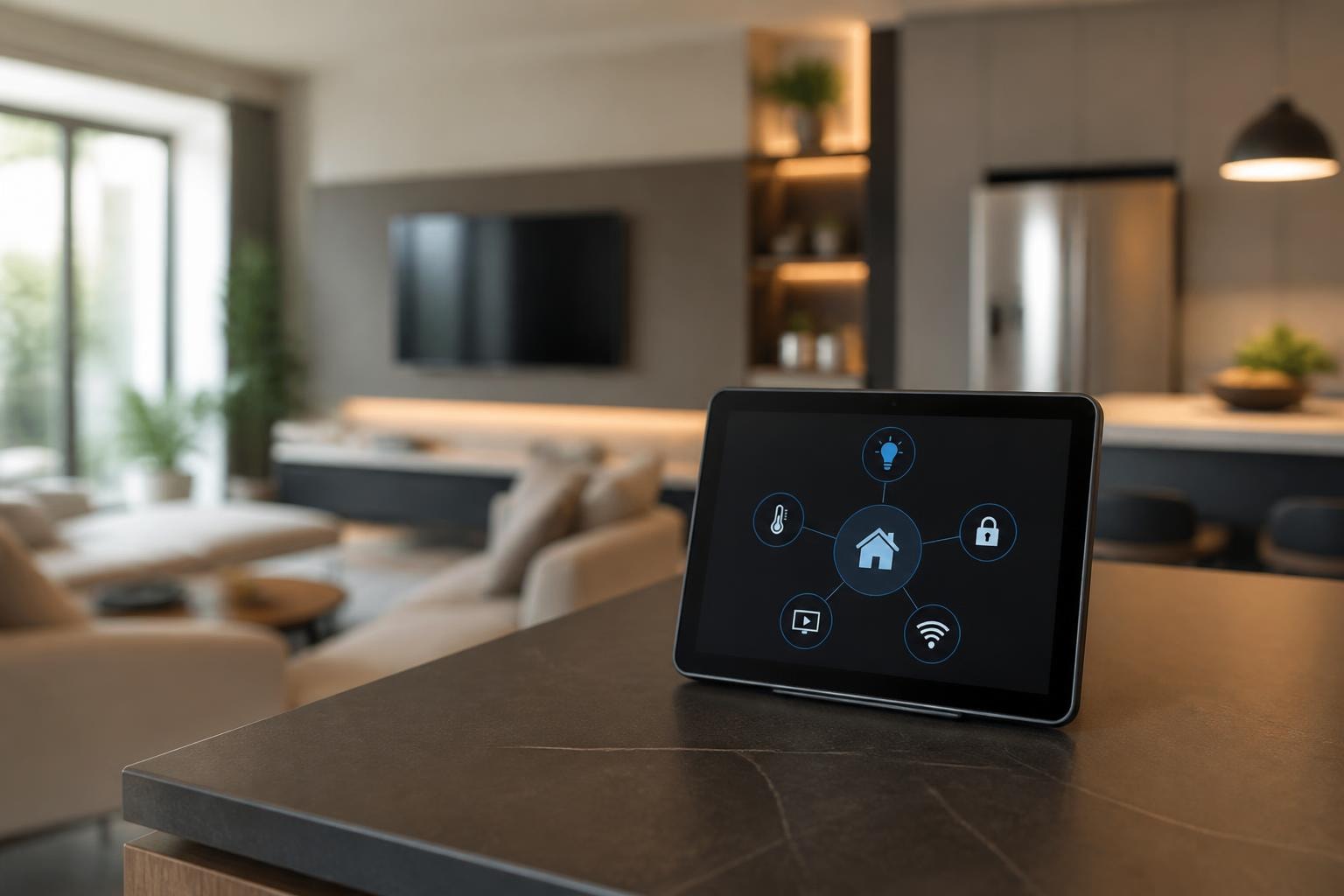
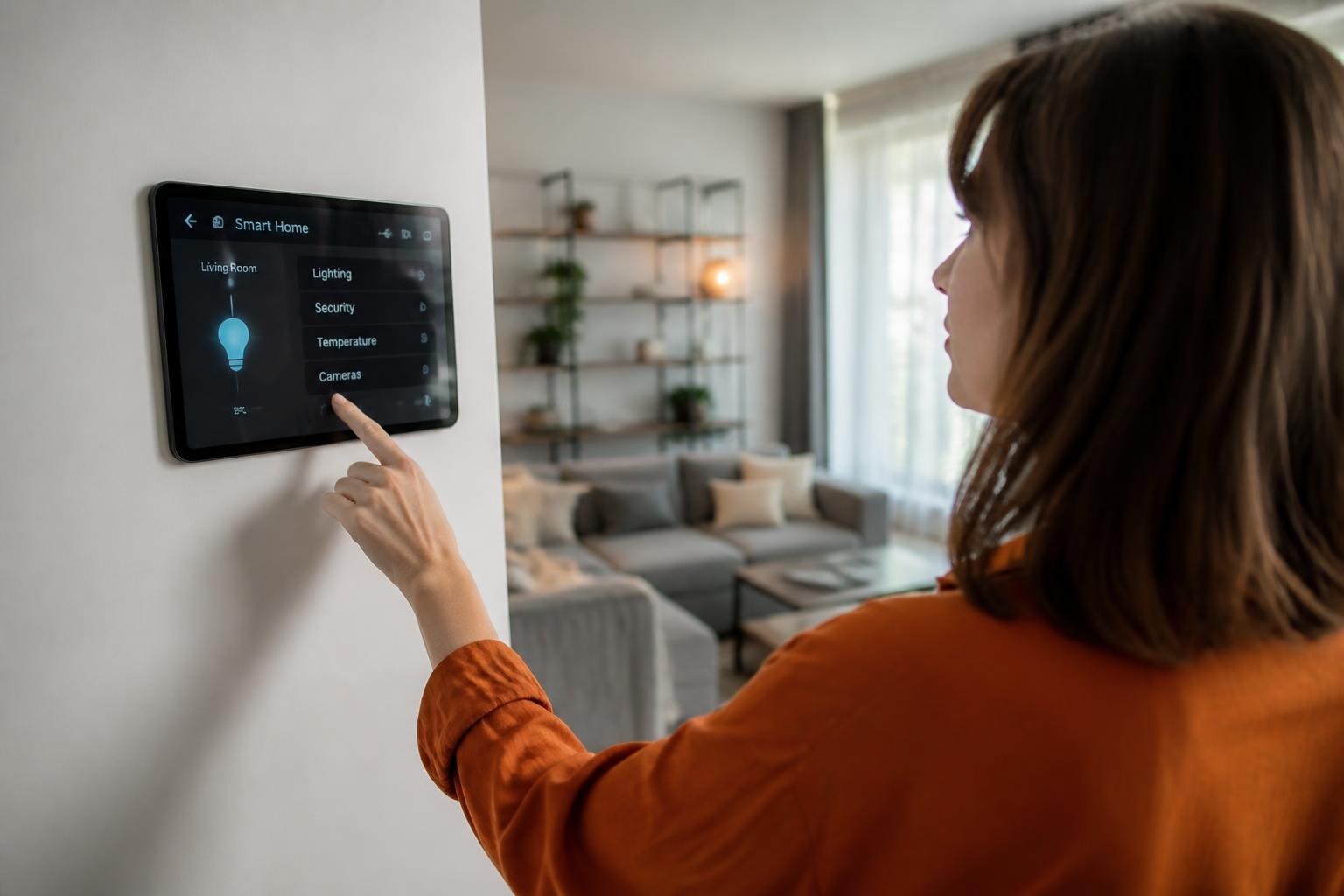
Smart home automation systems require careful implementation in homes with limited electrical capacity. Strategic planning ensures reliable operation without overtaxing your electric fuse box.
Prioritize low-power smart devices that provide maximum benefit with minimal electrical demand:
Smart lighting using LED bulbs
Programmable thermostats optimizing HVAC efficiency
Smart plugs monitoring and controlling power consumption
Network infrastructure using efficient modern equipment
Battery-powered sensors and security devices
Load management becomes crucial when operating multiple systems simultaneously. Avoid running high-draw appliances concurrently, and consider timing major electrical loads during off-peak periods when other circuits carry lighter loads.
When Additional Circuits Become Necessary
Your electric fuse box has finite capacity for additional circuits. Expanding your electrical system may require panel replacement if you need:
Dedicated circuits for home office equipment
Audio-visual installations requiring clean power
Workshop or garage circuits for power tools
Outdoor circuits for lighting or entertainment areas
EV charging capability
Professional evaluation determines whether your existing service can accommodate these additions or if upgrading to a modern panel provides the better long-term solution.
Making the Right Decision for Your Home
Choosing between maintaining your electric fuse box and upgrading to a circuit breaker panel depends on multiple factors specific to your situation. Consider both immediate needs and long-term plans when making this important decision.
Cost-Benefit Analysis
Short-term costs favor maintaining your existing fuse box if it operates safely and meets your current needs. Regular fuse replacement and occasional repairs cost considerably less than full panel replacement.
Long-term value often justifies the upgrade investment. Consider these factors:
Factor | Keep Fuse Box | Upgrade to Breakers |
Initial cost | Minimal | $2,000-$4,000+ |
Ongoing maintenance | Replace fuses as needed | Minimal |
Home resale value | Neutral to negative | Positive |
Insurance premiums | Potentially higher | Standard rates |
Future expansion | Very limited | Excellent capacity |
Smart home integration | Challenging | Seamless |
Property value considerations extend beyond the panel itself. Modern electrical systems appeal to buyers and often represent required upgrades before sale in some markets. Proactively upgrading avoids last-minute scrambling during transaction negotiations.
Planning for Future Needs
Anticipate how your electrical requirements may evolve over the next five to ten years. Families expanding, aging parents moving in, home-based businesses, and advancing technology all increase electrical demands beyond what many older systems can provide.
Quality electrical installations consider not just current needs but reasonable future expansion. Installing adequate capacity now costs far less than repeated upgrades as needs evolve.
Renovation plans particularly warrant careful consideration. If you intend significant remodeling within the next few years, coordinating electrical panel replacement with that work maximizes efficiency and minimizes disruption.
Understanding your electric fuse box empowers you to make informed decisions about your home's electrical safety and capacity. Whether maintaining your existing system or upgrading to modern circuit breakers, proper knowledge ensures reliable, safe electrical service for your family. Evolve Electrical provides comprehensive electrical services from panel upgrades and repairs to smart home integration and audio-visual installations, helping homeowners throughout New Zealand modernize their electrical systems safely and efficiently. Contact our experienced team today to schedule an inspection and discuss the best solutions for your specific needs.

Comments