
Electrical Sub Panel: Installation Guide & Best Practices
Modern homes demand more electrical capacity than ever before. Smart home automation systems, electric vehicle chargers, workshop equipment, and home entertainment centers all contribute to increasing power requirements. When your main electrical panel reaches capacity or you're adding a new section to your property, an electrical sub panel provides an efficient solution to expand your electrical distribution system without replacing your entire main panel. Understanding when you need a sub panel, how it functions, and what's involved in proper installation helps homeowners and businesses make informed decisions about their electrical infrastructure.
Understanding Electrical Sub Panel Fundamentals
An electrical sub panel functions as a secondary distribution point that receives power from your main service panel and redistributes it to specific circuits. Think of it as a satellite office that reports to headquarters while managing its own operations.
The sub panel connects to the main panel through a feeder cable, which carries electricity to the new location where additional circuits are needed. This configuration allows you to add circuits for specific areas or purposes without overcrowding your main panel. The sub panel contains its own circuit breakers that protect individual circuits, just like your main panel does.
Key Components and Their Functions
Every electrical sub panel installation requires specific components that work together to ensure safe operation:
Feeder breaker in the main panel that protects the cable running to the sub panel
Feeder cable sized appropriately for the amperage and distance
Sub panel enclosure with adequate space for the required number of circuits
Bus bars for distributing power to individual circuit breakers
Ground and neutral bars that must be separated in sub panel installations
Circuit breakers sized for each individual circuit's load requirements
One critical distinction between main panels and sub panels involves the ground and neutral connections. In a main panel, the ground and neutral bars connect together. However, in a sub panel, these must remain separated to prevent dangerous ground loops and ensure proper fault protection. This separation represents one of the most important safety measures and proper placement requirements for sub panel installations.
When Your Property Needs a Sub Panel
Several situations signal that adding an electrical sub panel makes practical and economic sense. Recognizing these scenarios helps you plan electrical upgrades before problems arise.
Home additions and renovations represent the most common reason for sub panel installation. When you add a new wing, convert a garage into living space, or build a detached workshop, running individual circuits back to the main panel becomes impractical. A sub panel installed in the new space provides a centralized distribution point for all circuits serving that area.
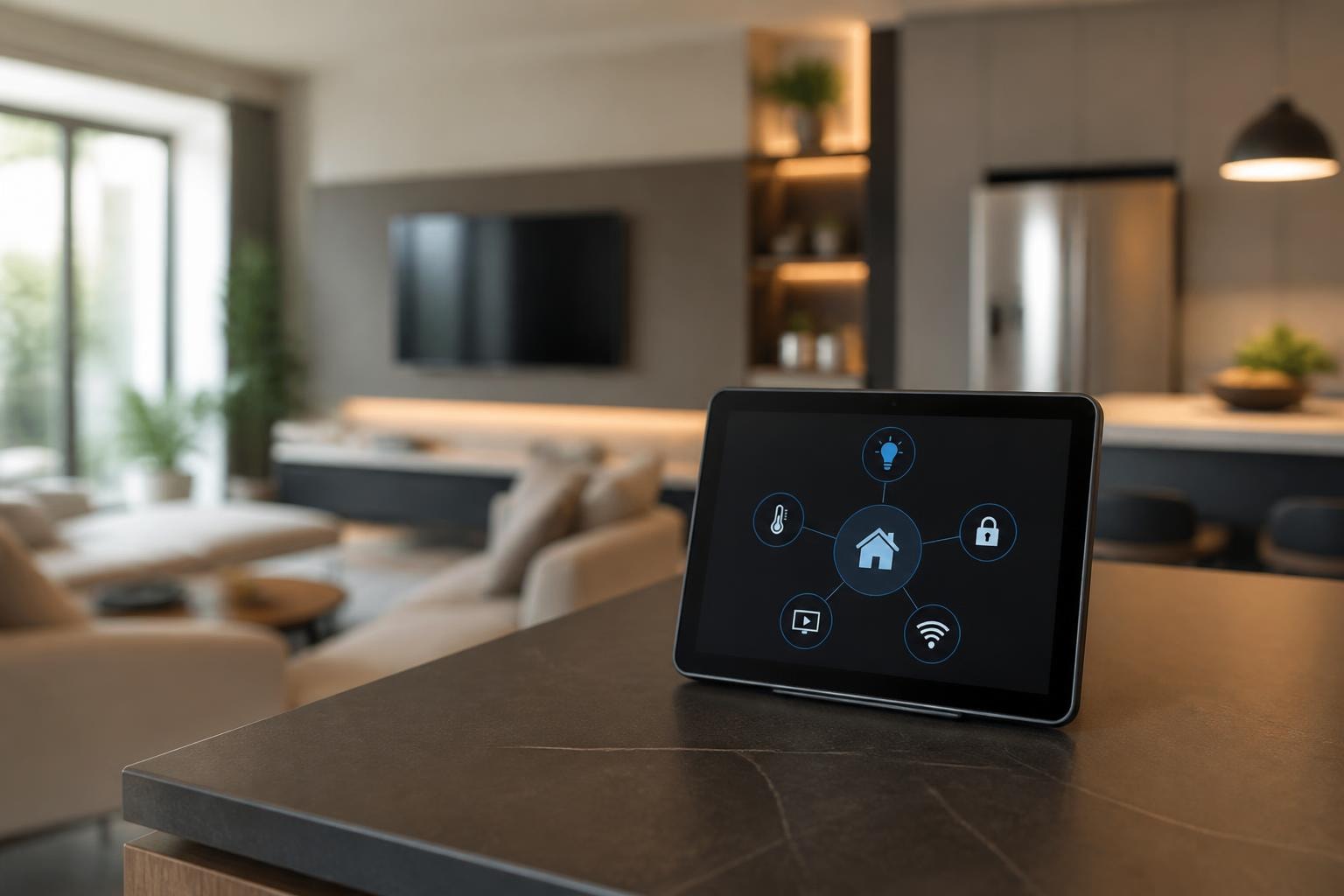
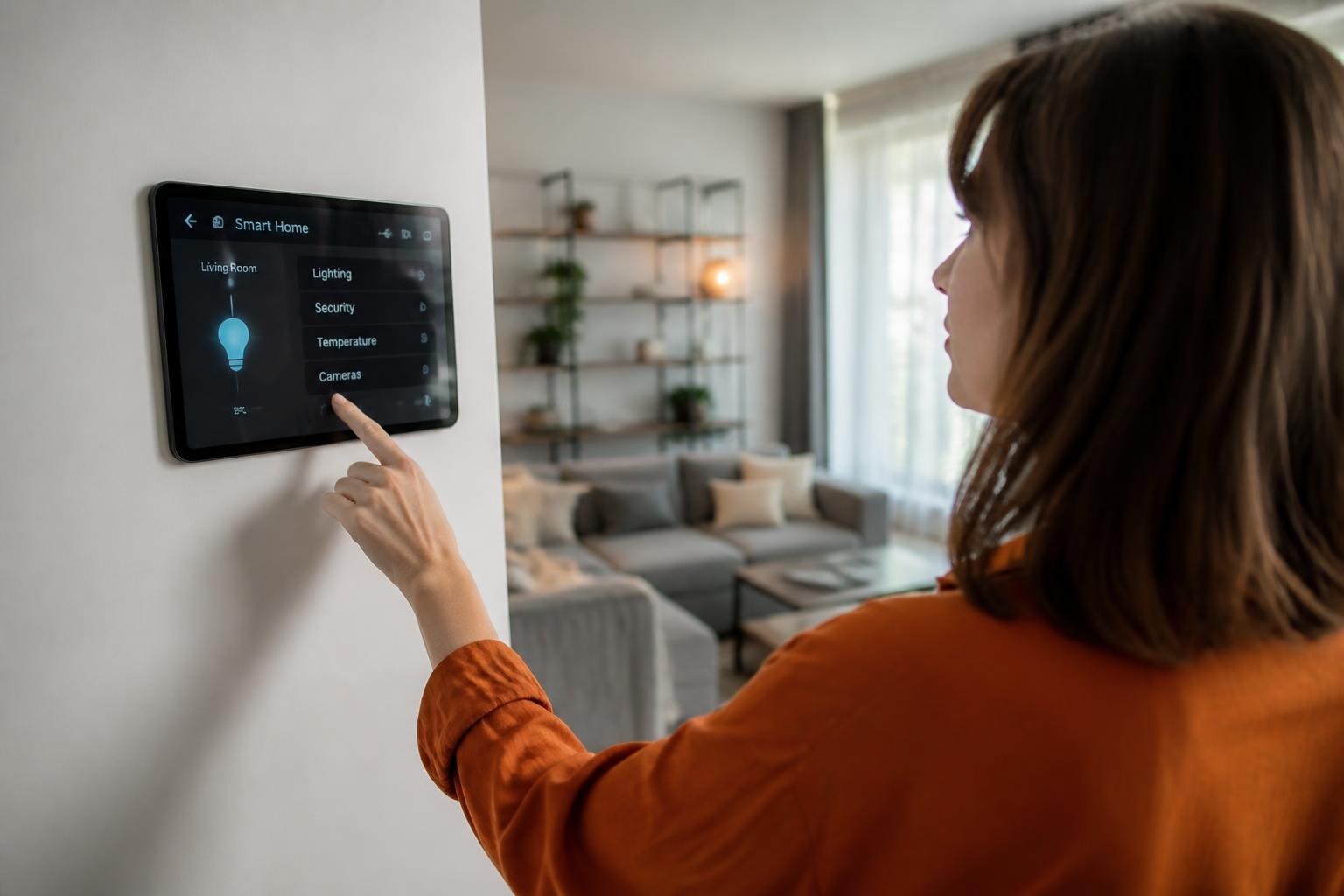
Properties with smart home automation installations often benefit from dedicated sub panels. Smart lighting systems, automated climate control, security cameras, and integrated entertainment systems require reliable power distribution. A dedicated sub panel ensures these systems operate on protected circuits separate from standard household loads.
Distance and Convenience Factors
The physical distance from your main panel to the area requiring power significantly influences whether a sub panel makes sense. Running multiple individual circuits over long distances increases installation costs and voltage drop concerns. A single feeder cable to a strategically located sub panel often provides a more efficient solution.
Scenario | Individual Circuits | Sub Panel Solution |
Basement workshop 60 feet from main panel | 8+ separate cable runs | Single feeder run, local distribution |
Detached garage with EV charger | Multiple long trenches | One underground feeder, garage sub panel |
Home office addition | Multiple attic cable runs | Sub panel in addition, cleaner installation |
Properties with maxed-out main panels cannot accommodate additional circuit breakers. Rather than upgrading the entire main service, which involves utility company coordination and significant expense, adding a sub panel provides the needed capacity. This approach works particularly well when most existing circuits must remain unchanged but new dedicated circuits are required for specific equipment or areas.
Planning Your Sub Panel Installation
Proper planning ensures your electrical sub panel meets current needs while providing capacity for future expansion. This process involves calculating loads, selecting appropriate equipment, and understanding code requirements.
Load Calculation and Sizing
Determining the correct sub panel size requires calculating both existing loads and anticipated future requirements. Start by listing all circuits the sub panel will serve, including their amperage requirements. Add lighting circuits, receptacle circuits, and any dedicated equipment circuits like HVAC systems or large appliances.
A thorough electrical subpanel installation guide emphasizes the importance of planning for expansion. Installing a sub panel with only enough capacity for immediate needs creates the same problem you're trying to solve. Most electricians recommend installing a sub panel with at least 25-30% spare capacity.
Common residential sub panel sizes include:
60-amp sub panels for small additions or workshops with basic lighting and receptacles
100-amp sub panels for larger additions, garages with substantial equipment, or multiple rooms
125-amp or 200-amp sub panels for extensive additions, separate living quarters, or commercial applications
The feeder cable size must match the sub panel rating and account for distance. Longer cable runs require larger wire gauges to minimize voltage drop. For example, a 100-amp sub panel located 50 feet from the main panel requires different wire sizing than one located 150 feet away.
Location and Accessibility Requirements
Code requirements dictate specific standards for sub panel placement. The panel must be readily accessible, meaning you cannot install it behind removable panels, in closets with stored items, or anywhere requiring ladders or special equipment to reach. Most jurisdictions require at least 30 inches of clear working space in front of the panel and specific height requirements for the panel center.
Environmental factors also influence location selection. Sub panels should not be installed in damp locations unless rated for such use. Avoid areas prone to water exposure, extreme temperatures, or corrosive atmospheres. For detached buildings, weatherproof disconnect requirements may apply.
Businesses upgrading their electrical systems face additional considerations. Professional guidance on subpanel installation helps ensure compliance with commercial building codes, which often mandate specific panel types, labeling requirements, and inspection protocols.
Installation Process and Professional Requirements
While understanding the installation process helps property owners make informed decisions, electrical sub panel installation requires licensed professionals. The complexity and safety implications demand expertise that only qualified electricians possess.
Step-by-Step Installation Overview
The installation process begins with securing necessary permits and scheduling inspections. Most jurisdictions require permits for sub panel installations, and work must be inspected before energizing the new panel.
Main panel assessment and feeder breaker installation in an available slot sized for the sub panel amperage
Feeder cable routing from the main panel to the sub panel location following code-compliant methods
Sub panel mounting at the proper height with secure attachment to structural members
Ground and neutral bar separation ensuring proper bonding and grounding
Feeder cable connection to the sub panel main lugs with torque specifications met
Circuit installation for all planned loads with proper wire sizing and protection
Labeling and documentation identifying all circuits and panel specifications
Inspection and testing before energizing the completed installation
Professional electricians use specialized tools and testing equipment throughout the process. Torque wrenches ensure proper connection tightness, multimeters verify correct voltages, and insulation resistance testers confirm safe operation before energizing circuits.
Safety Considerations and Code Compliance
Electrical work involves serious safety hazards that make professional installation essential. Improper sub panel installation can result in electrical fires, equipment damage, or electrocution hazards.
Bonding and grounding represent the most critical safety aspects of sub panel installation. The sub panel enclosure must connect to the grounding system through the feeder cable's ground conductor. The neutral and ground bars must remain separated to prevent dangerous current paths. This separation ensures that fault currents flow properly through protective devices.
Ground fault circuit interrupter (GFCI) and arc fault circuit interrupter (AFCI) protection requirements apply to circuits served by sub panels just as they do to main panel circuits. Depending on the circuit location and purpose, specific protection types may be mandatory. Bathrooms, kitchens, outdoor receptacles, and unfinished areas typically require GFCI protection, while bedroom circuits and other living areas require AFCI protection.
Common Installation Mistakes to Avoid
Even experienced DIY enthusiasts make critical errors when attempting sub panel installations without proper knowledge:
Using undersized feeder cables that create fire hazards and voltage drop issues
Bonding neutral and ground bars together in the sub panel, creating dangerous conditions
Installing the panel in inaccessible locations that violate code requirements
Failing to properly torque connections, leading to overheating and arcing
Inadequate support for feeder cables, especially in long runs or buried installations
Missing or incorrect labeling that creates confusion during future maintenance or emergencies
For homeowners concerned about these technical requirements, detailed step-by-step installation guidance provides educational value while reinforcing why professional installation remains essential.
Costs and Timeline Expectations
Understanding the investment required for sub panel installation helps with budgeting and planning. Several factors influence total costs, making each installation unique.
Material costs vary based on sub panel size and installation complexity. A basic 100-amp sub panel with enclosure and breakers costs between $150 and $400 in materials. Add feeder cable costs, which depend on distance and required amperage. Copper cable prices fluctuate, but expect $3-8 per foot for typical residential installations. Conduit, fittings, and mounting hardware add additional material expenses.
Labor represents the largest cost component for most installations. Professional electricians charge based on project complexity, accessibility, and local market rates. Simple installations in easily accessible locations may take 4-6 hours, while complex installations involving long cable runs, difficult routing, or extensive circuit work require significantly more time.
Installation Timeline Factors
Factor | Impact on Timeline |
Permit processing | 1-10 business days depending on jurisdiction |
Feeder cable distance | Each 50 feet adds 1-2 hours of installation time |
Number of circuits | Each circuit adds 30-60 minutes |
Accessibility challenges | Tight spaces or obstacles double installation time |
Required excavation | Buried cable runs add 1-2 days |
Planning installations during new construction or major renovations reduces costs and complexity. Adding a sub panel when walls are open and access is unrestricted costs significantly less than retrofitting into finished spaces. If you're planning electrical work for renovations, discuss sub panel requirements early in the design process.
Integration with Modern Home Systems
Contemporary electrical installations increasingly focus on smart home integration and future-proofing. Sub panels play a crucial role in supporting advanced home automation and energy management systems.
Smart circuit breakers now available for residential applications provide real-time monitoring of individual circuits. These intelligent devices track energy consumption, detect anomalies, and can remotely disconnect circuits through smartphone apps. Installing a sub panel with smart breakers dedicated to audio-visual installations allows precise monitoring and control of entertainment system power consumption.
Surge protection becomes more critical as homes fill with sensitive electronics. Whole-house surge protection installed at both the main panel and sub panels provides layered defense against voltage spikes. Sub panels serving computer equipment, home theaters, or automation systems benefit from dedicated surge suppression.
Future-Proofing Considerations
Installing adequate capacity now prevents costly upgrades later. Consider these forward-looking elements:
Reserve spaces for additional circuits as technology evolves
Oversized feeder cables that accommodate future load increases
Sub panel locations accessible for expansion without major renovation
Conduit sizing that allows pulling larger cables if needs change
Smart-ready infrastructure supporting monitoring and automation upgrades
Properties with electric vehicle charging requirements particularly benefit from sub panel planning. A 50-amp or 60-amp circuit dedicated to EV charging draws significant power. Installing this circuit from a sub panel with adequate capacity prevents overloading the main service while providing room for additional chargers as multiple-EV households become common.
Renewable energy integration also influences sub panel design. Solar installations, battery backup systems, and generator connections all interact with your electrical distribution system. Proper sub panel placement and sizing accommodate these advanced systems without requiring complete electrical system redesigns.
Professional Installation Benefits
The value of professional electrical work extends beyond code compliance and safety. Experienced electricians bring expertise that ensures optimal system performance and reliability.
Licensed electricians understand local code requirements that vary by jurisdiction. They maintain relationships with building inspectors, streamlining the permit and inspection process. Their work carries liability insurance protection, providing peace of mind that DIY installations cannot match.
Professional installations include proper documentation. Detailed circuit directories, panel schedules, and installation records prove invaluable during future modifications or troubleshooting. These documents also transfer valuable information to future property owners.
Warranty protection represents another professional installation benefit. Equipment manufacturers often require licensed electrician installation to maintain product warranties. Improper installation voids these protections, creating expensive consequences if equipment fails.
When selecting an electrical contractor for sub panel installation, verify their licensing, insurance coverage, and experience with similar projects. Request references and examples of previous sub panel installations. Discuss your future plans so they can design systems with appropriate expansion capacity.
Understanding common questions about subpanel installation helps you communicate effectively with contractors and make informed decisions about your electrical infrastructure needs.
Electrical sub panel installation represents a significant electrical infrastructure upgrade that expands capacity, improves distribution efficiency, and supports modern power demands. Proper planning, professional installation, and code compliance ensure safe, reliable operation for decades. Whether you're adding living space, upgrading to smart home systems, or preparing for future electrical needs, Evolve Electrical brings the expertise and experience to design and install sub panels that meet your specific requirements while maintaining the highest safety and quality standards.

Comments