
Home Audio Video Systems: Professional Installation Guide
Modern homeowners increasingly demand sophisticated entertainment experiences that rival commercial venues. A well-designed home audio video system delivers immersive sound, crystal-clear visuals, and seamless integration across multiple rooms. Whether you're building a dedicated home theater or upgrading your existing setup, understanding the components, installation requirements, and professional considerations ensures you maximize your investment and enjoy years of reliable performance.
Understanding Home Audio Video System Components
The foundation of any quality home audio video installation begins with selecting the right components for your specific needs and space. Today's systems integrate multiple technologies that work together to create cohesive entertainment experiences.
Display Technologies and Screen Selection
Your display serves as the centerpiece of any home audio video configuration. Modern options include OLED, QLED, and MicroLED screens, each offering distinct advantages in color reproduction, contrast ratios, and viewing angles. Screen size should match viewing distance, with industry standards recommending approximately 1.5 to 2.5 times the screen diagonal for optimal viewing comfort.
Placement considerations extend beyond aesthetics. Professional installers account for ambient light control, wall structure support requirements, and cable management pathways. These factors significantly impact both picture quality and long-term system reliability.
Audio Components and Speaker Configuration
Quality audio reproduction requires careful component selection and strategic placement. A comprehensive home audio video setup typically includes:
Receivers or amplifiers that process and distribute signals
Main speakers for left, right, and center channels
Subwoofers for low-frequency effects
Surround speakers for immersive spatial audio
In-ceiling or in-wall speakers for distributed audio
Speaker positioning dramatically affects sound quality. The Optimal Audio and Video Reproduction at Home provides detailed guidance on achieving professional-grade acoustics through proper equipment setup and room calibration.
Professional Installation Considerations
While DIY installations appeal to some homeowners, professional installation ensures optimal performance and prevents costly mistakes. Electrical infrastructure, network integration, and acoustic optimization require specialized knowledge and experience.
Electrical Infrastructure Requirements
Home audio video systems demand robust electrical infrastructure. Dedicated circuits prevent power fluctuations that degrade performance and potentially damage sensitive equipment. Surge protection at both the panel and point-of-use levels safeguards expensive components from voltage spikes.
Professional electricians ensure installations meet current electrical codes while providing adequate capacity for future upgrades. This foresight prevents expensive rewiring when you decide to expand or enhance your system. Working with experienced professionals like those offering electrical services ensures your installation foundation supports current needs and future growth.
Infrastructure Element | Standard Requirement | Professional Recommendation |
Circuit Capacity | 15 amp shared | 20 amp dedicated |
Surge Protection | Power strip | Whole-house + point-of-use |
Grounding | Basic code compliance | Isolated technical ground |
Cable Pathways | Surface mounting | In-wall conduit systems |
Network Integration and Streaming Capabilities
Modern home audio video systems increasingly rely on network connectivity for streaming services, software updates, and multi-room synchronization. Robust network infrastructure ensures smooth 4K and 8K streaming without buffering or quality degradation.
Wired connections provide superior reliability compared to wireless alternatives, particularly for bandwidth-intensive applications. Cat6 or Cat6a cabling supports current and emerging standards while minimizing latency issues that disrupt viewing experiences.
Professional network planning considers device placement, switch capacity, and Quality of Service (QoS) configurations that prioritize audio video traffic over other network activities. These technical considerations separate functional installations from truly exceptional systems.
Multi-Room Audio Video Distribution
Whole-house audio video distribution extends entertainment throughout your living space, creating cohesive experiences that adapt to your lifestyle. These systems allow different content in different zones while maintaining centralized control and management.
Zone Configuration and Control Systems
Strategic zone planning maximizes system utility and user satisfaction. Common configurations include:
Dedicated theater rooms with full surround sound
Living areas with stereo or soundbar configurations
Outdoor spaces with weather-resistant speakers
Bedroom and bathroom zones for personal entertainment
Kitchen and dining areas for background audio
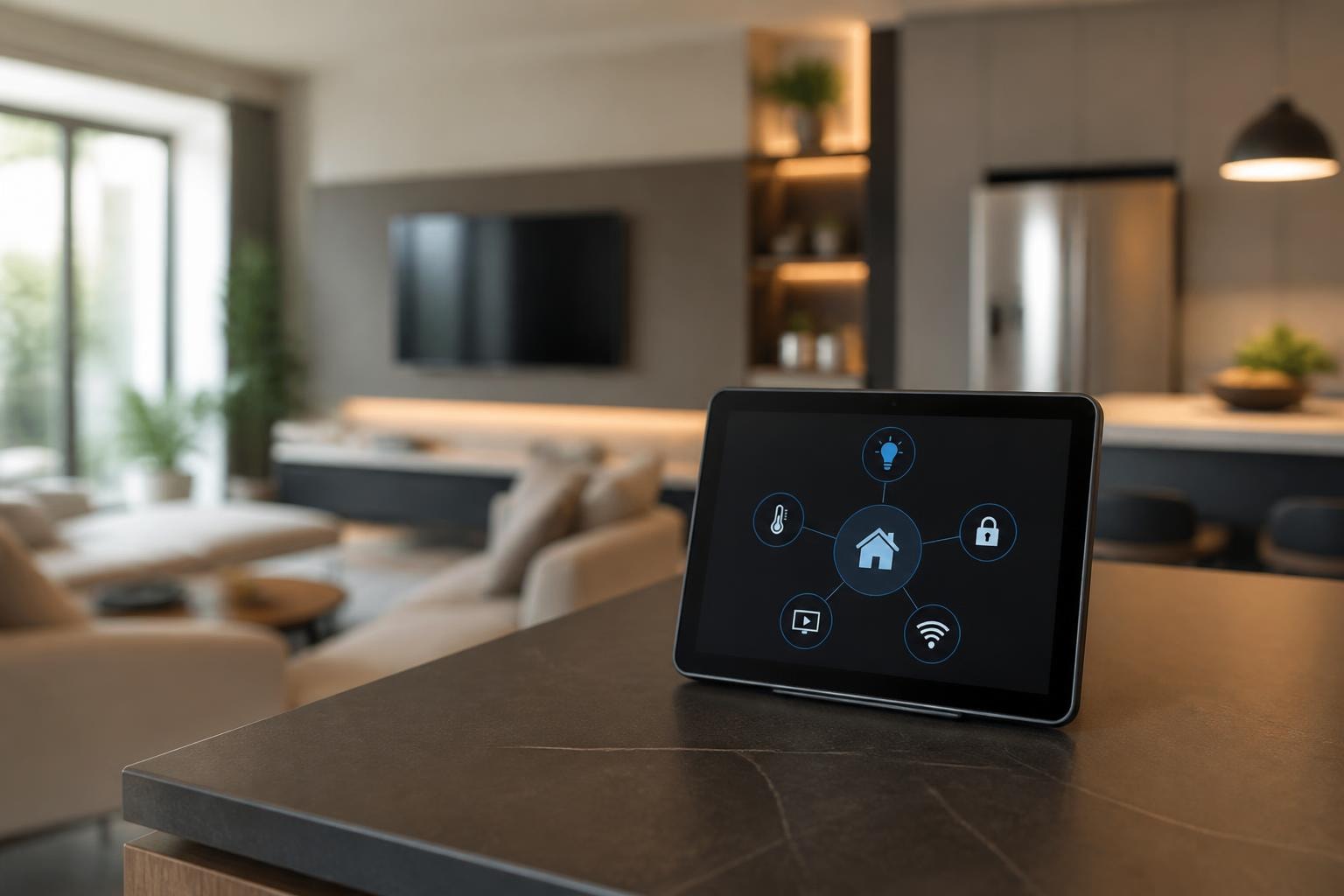
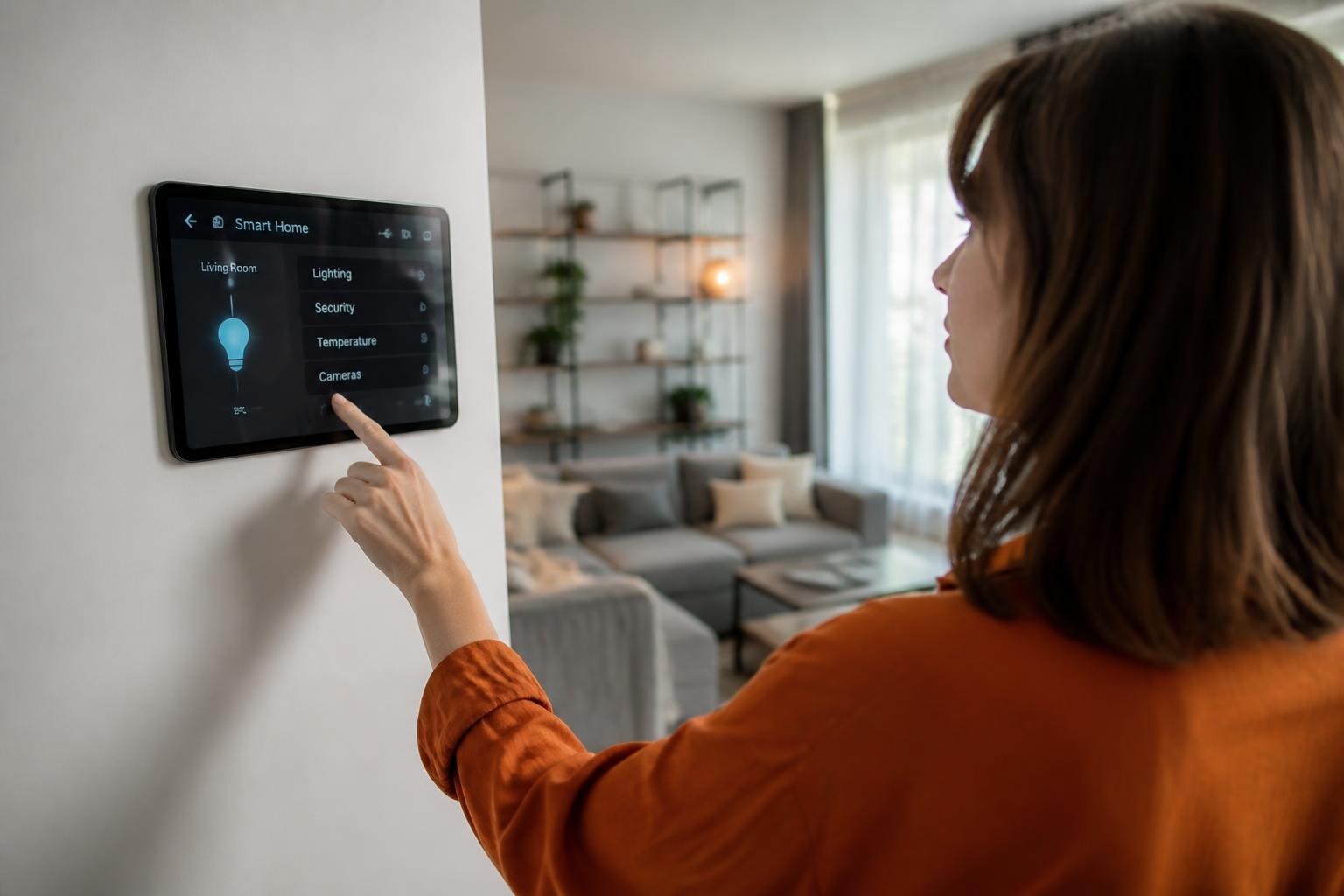
Control systems unify these zones through intuitive interfaces. Modern solutions range from dedicated wall-mounted panels to smartphone apps that provide comprehensive control over volume, source selection, and content playback. The Diamond Certified guide on home automation explores how integrated control enhances user experience and system functionality.
Distributed Audio Technologies
Several technologies enable whole-house audio distribution, each with specific advantages and installation requirements. Traditional matrix switchers route analog signals to multiple zones, while modern network-based systems stream digital audio over Ethernet infrastructure.
Network audio offers superior flexibility and scalability. These systems support high-resolution formats, individual zone control, and seamless integration with streaming services. Installation complexity increases compared to conventional approaches, but the resulting capabilities justify the additional effort for most homeowners.
Acoustic Optimization and Room Treatment
Even premium equipment underperforms in acoustically challenging environments. Professional acoustic analysis and treatment transform ordinary rooms into exceptional listening spaces that reveal the full potential of your home audio video investment.
Room Acoustics Fundamentals
Sound behaves predictably based on room dimensions, surface materials, and furnishing placement. Standing waves, flutter echoes, and bass buildup commonly plague untreated spaces, creating muddy or unbalanced sound reproduction.
Professional acoustic treatment addresses these issues through strategic placement of absorption, diffusion, and bass trap materials. Treatment locations target specific frequency ranges and reflection points identified through measurement and analysis.
Calibration and Tuning Procedures
Modern receivers include automatic calibration systems that measure room acoustics and adjust speaker levels, crossover frequencies, and equalization curves. These systems provide excellent starting points but benefit from professional fine-tuning.
Advanced calibration involves:
Frequency response measurement using specialized microphones
Speaker time alignment for coherent soundstage presentation
Subwoofer integration optimizing blend with main speakers
Dynamic range optimization balancing quiet and loud passages
Professional installers combine automated calibration with expert listening evaluation, ensuring technical accuracy translates into engaging musical and cinematic experiences.
Smart Home Integration
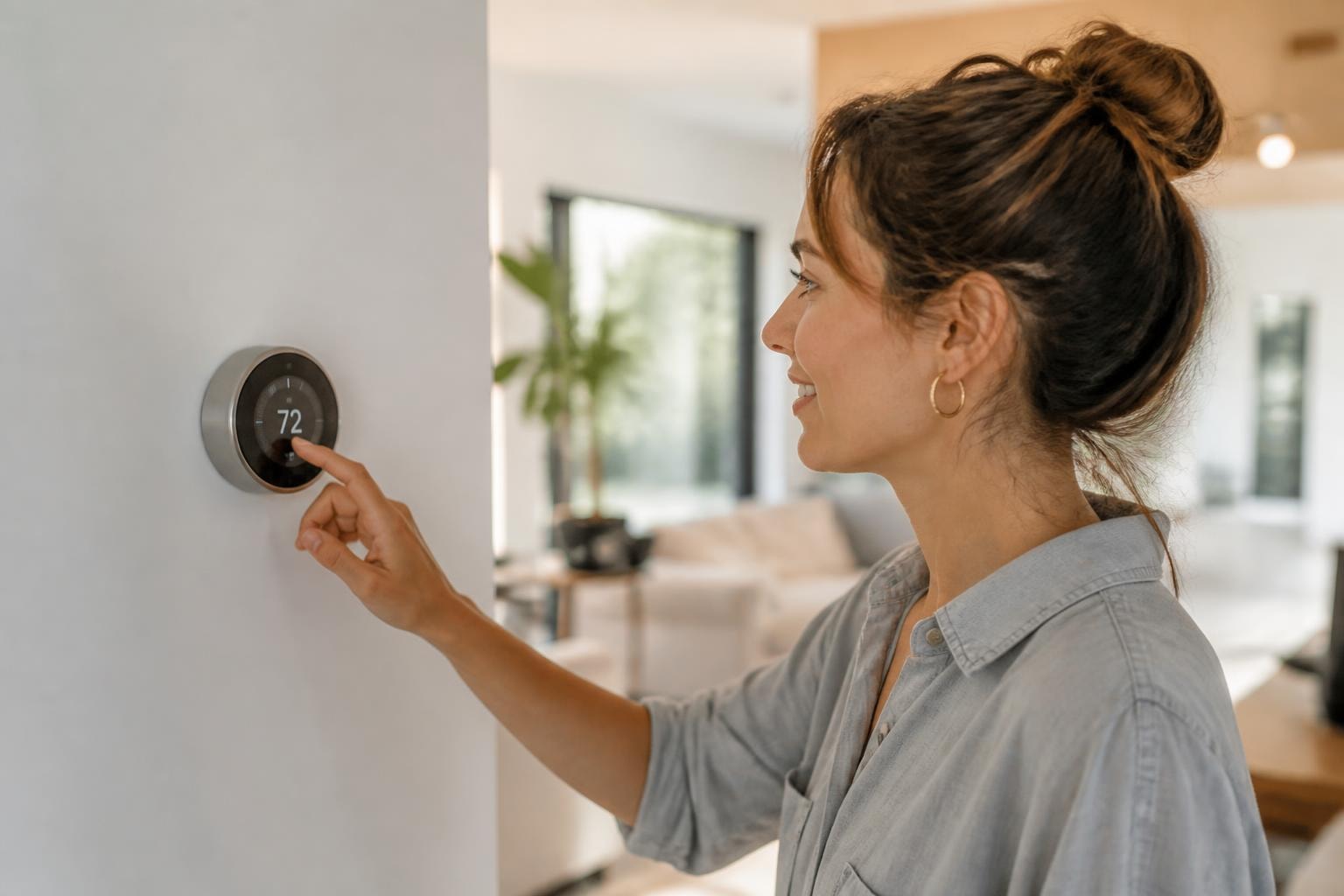
Contemporary home audio video systems integrate seamlessly with broader automation platforms, creating unified control of entertainment, lighting, climate, and security systems. This integration elevates convenience while enabling sophisticated automated behaviors.
Automation Protocols and Standards
Several communication protocols enable smart home integration. Common standards include:
Protocol | Primary Use | Key Advantages |
Zigbee | Sensors and controls | Low power, mesh networking |
Z-Wave | Home automation devices | Dedicated frequency, reliability |
IP/Ethernet | Audio video equipment | High bandwidth, existing infrastructure |
IR/RS-232 | Legacy equipment control | Universal compatibility |
Professional integrators select appropriate protocols based on equipment requirements, existing infrastructure, and future expansion plans. Many sophisticated installations employ multiple protocols, unified through central control processors.
Automated Scenes and Behaviors
Integration enables powerful automated behaviors that respond to time, occupancy, or user preferences. Movie mode might dim lights, lower shades, and activate the theater system with a single command. Morning routines could start kitchen audio and display news or weather information.
These automated scenes transform how families interact with their homes, making advanced technology feel intuitive and responsive. The learning curve diminishes as systems adapt to usage patterns and preferences.
Equipment Selection for Different Budgets
Quality home audio video installations exist across various price points. Understanding how to allocate budgets ensures maximum value regardless of total investment levels.
Budget-Conscious Approaches
Entry-level systems deliver impressive performance when properly configured. Focus investment on components that most directly impact experience quality:
Quality speakers provide the foundation for good sound
Capable receivers with room correction technology
Proper installation maximizing equipment potential
Reliable source components for content delivery
Avoid the temptation to spread budgets too thin across excessive features. A simpler system executed well outperforms complex installations with compromised components.
Mid-Range and Premium Systems
Increased budgets enable enhanced capabilities and superior component quality. Mid-range installations typically incorporate:
Higher-performance speakers with advanced driver technologies
Separate amplification for improved dynamics and control
Professional acoustic treatment for optimized room performance
Sophisticated control systems with intuitive user interfaces
Multi-room capabilities with independent source selection
Premium systems push performance boundaries through exotic materials, proprietary technologies, and meticulous installation craftsmanship. These installations rival commercial venues in capability and often surpass them in acoustic optimization for specific spaces.
Future-Proofing Your Investment
Technology evolution continues accelerating, making future-proofing strategies essential for protecting home audio video investments. Strategic planning ensures systems remain relevant and capable as standards and expectations evolve.
Infrastructure Over Equipment
The most effective future-proofing focuses on robust infrastructure rather than cutting-edge equipment. Conduit systems allow cable upgrades without wall demolition. Oversized network switches accommodate additional devices. Flexible equipment racks support component changes without major modifications.
This infrastructure-first approach recognizes that equipment lifecycles measure in years while proper infrastructure serves decades. The home entertainment systems overview on Wikipedia provides context for how these systems have evolved and continue developing.
Emerging Technologies and Standards
Several emerging technologies warrant consideration during system planning. 8K resolution displays require substantial bandwidth and processing capability. Object-based audio formats like Dolby Atmos and DTS:X demand additional speakers and sophisticated processing. High dynamic range (HDR) video requires compatible displays and sources throughout the signal chain.
Rather than immediately adopting every new standard, strategic planning ensures infrastructure supports these technologies when they mature and content becomes widely available. Professional installers balance cutting-edge capability with practical usability and budget constraints.
Maintenance and Long-Term Performance
Proper maintenance preserves home audio video system performance and extends equipment lifespan. Regular attention to specific areas prevents degradation and identifies issues before they become serious problems.
Routine Maintenance Tasks
Consistent maintenance schedules keep systems performing optimally:
Dust removal from ventilation openings prevents overheating
Connection inspection identifies loose or corroded terminals
Software updates provide bug fixes and new features
Calibration verification ensures settings remain optimized
Cable condition assessment detects deterioration before failure
Most maintenance tasks require minimal time and technical knowledge. Scheduling quarterly reviews establishes beneficial habits that protect substantial investments.
Professional Service and Support
Complex systems benefit from professional service relationships. Annual inspections by qualified technicians identify subtle issues homeowners might miss. These professionals stay current with software updates, compatibility issues, and emerging best practices.
Establishing service relationships during installation ensures familiarity with your specific configuration. This knowledge accelerates troubleshooting and enables more effective problem resolution when issues arise. Professional audio visual installation services provide expertise that extends far beyond initial setup.
Common Installation Challenges and Solutions
Even well-planned home audio video installations encounter challenges. Understanding common issues and proven solutions helps set realistic expectations and enables informed decision-making.
Existing Home Limitations
Retrofit installations face constraints that new construction avoids. Concealed wiring becomes challenging without accessible pathways. Structural limitations may prevent ideal equipment placement. Aesthetic considerations often conflict with optimal technical configurations.
Creative solutions balance technical ideals with practical realities. Surface-mounted cable raceways provide acceptable compromises when in-wall routing proves impractical. Wireless technologies supplement wired connections where necessary. Experienced installers develop problem-solving skills that transform challenging situations into successful installations.
Integration Complexity Management
As system complexity increases, integration challenges multiply. Compatibility issues between manufacturers require careful component selection. Control system programming demands specialized knowledge and patience. User training becomes essential for family members to utilize available capabilities.
Phased implementation approaches manage complexity while providing immediate benefits. Starting with core capabilities and expanding over time distributes costs and learning curves. This strategy proves particularly effective for families new to sophisticated home audio video systems.
Professional home audio video systems transform entertainment experiences while adding substantial value to your property. Success requires careful planning, quality components, expert installation, and ongoing maintenance to ensure long-term satisfaction and performance. Whether you're creating a dedicated theater room or implementing whole-house distribution, working with qualified professionals makes the difference between functional systems and truly exceptional installations. Evolve Electrical brings extensive experience in audio visual installations, smart home integration, and the electrical infrastructure that supports these sophisticated systems, helping homeowners throughout New Zealand create entertainment spaces that exceed expectations.
Article written using RankPill.
Comments