
Rewiring a House: Complete Guide for 2026
Rewiring a house represents one of the most significant electrical upgrades a homeowner can undertake. As homes age and electrical demands increase with modern technology, the wiring infrastructure that once served adequately may now pose safety risks or simply fail to meet contemporary needs. Understanding when rewiring becomes necessary, what the process entails, and how it benefits your home helps you make informed decisions about this substantial investment in your property's safety and functionality.
Understanding When Your Home Needs Rewiring
The age of your property provides the first indication that rewiring might be necessary. Homes built before 1960 often contain outdated wiring systems that weren't designed to handle today's electrical loads.
Common warning signs include:
Flickering or dimming lights when appliances run
Frequent circuit breaker trips or blown fuses
Discolored or warm electrical outlets
Burning smells near outlets or switches
Outlets that spark when plugging in devices
Insufficient number of outlets for modern needs
Older wiring types such as knob-and-tube or aluminum wiring present specific hazards. These systems lack proper grounding, use deteriorating insulation, and cannot safely support the electrical demands of contemporary households. According to comprehensive guides on the rewiring process, these outdated systems significantly increase fire risk and electrical shock potential.
Safety Considerations That Demand Immediate Attention
Certain situations require immediate professional evaluation. If you experience repeated electrical shocks from outlets or appliances, notice scorch marks on electrical panels, or smell burning plastic without an identifiable source, these conditions indicate dangerous wiring failures.
Insurance companies increasingly scrutinize older electrical systems, sometimes requiring certification or upgrades before issuing or renewing policies. This financial consideration often prompts homeowners to address rewiring sooner rather than later.
The Rewiring Process Explained
Rewiring a house involves systematically replacing old electrical wiring, outlets, switches, and often the main electrical panel. The complexity varies based on home size, accessibility, and the extent of upgrades desired.
Professional electricians begin with a comprehensive assessment of your current system. They map existing circuits, identify problem areas, and design a new electrical plan that meets current code requirements while accommodating future needs.
Planning and Preparation Steps
Phase | Duration | Key Activities |
Initial Assessment | 1-2 days | Electrical audit, code review, design plan |
Permit Acquisition | 1-2 weeks | Submit plans, obtain municipal approvals |
Material Procurement | 3-5 days | Order wire, panels, fixtures, components |
Execution | 3-10 days | Installation, testing, final inspection |
The actual rewiring work requires access to walls, ceilings, and floors. In occupied homes, electricians typically work room by room to minimize disruption. They may need to create access points in walls, requiring subsequent patching and repainting.
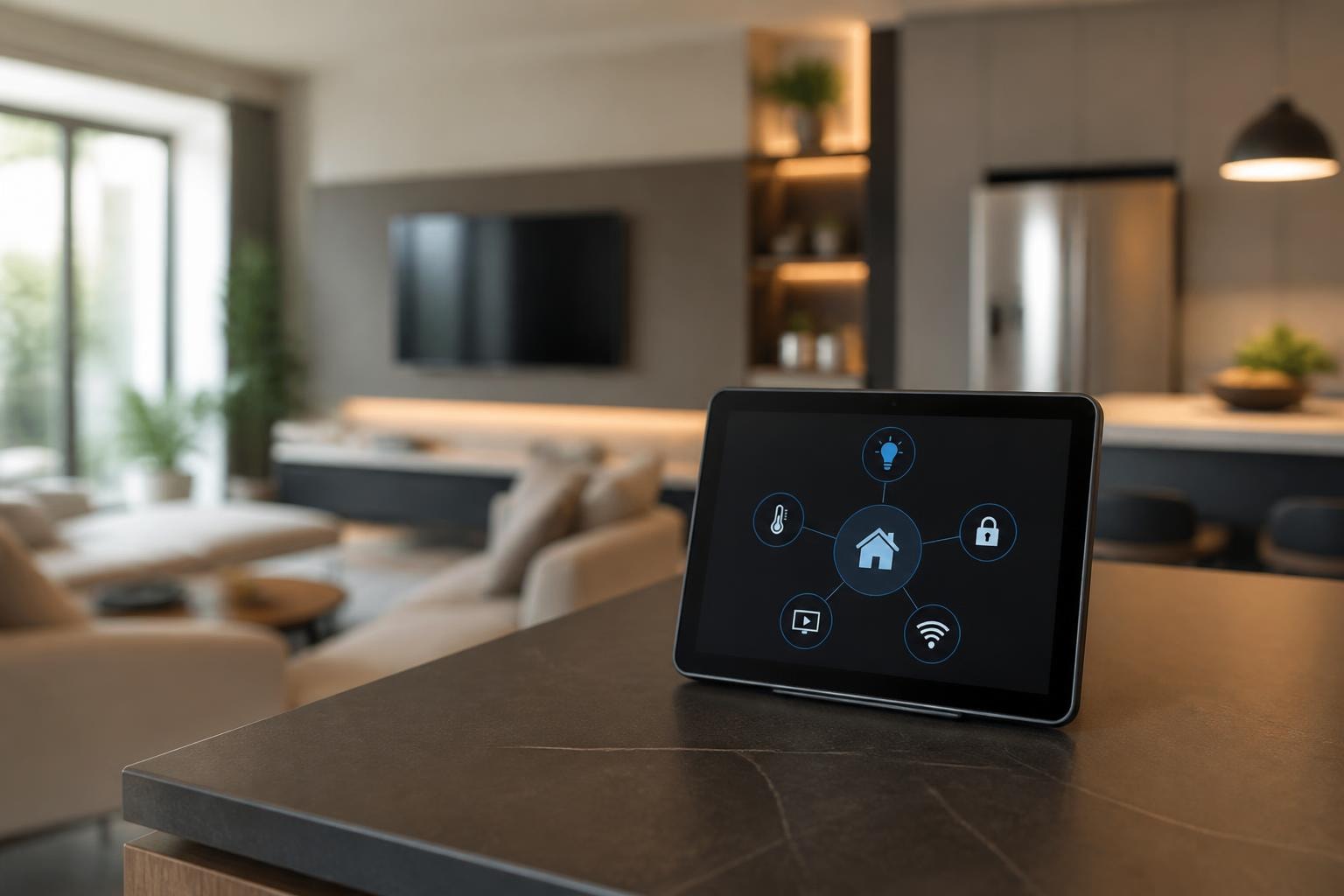
Modern rewiring projects incorporate smart home infrastructure considerations. Installing network solutions during rewiring provides future-ready connectivity for automation systems, security cameras, and integrated home technology.
Installation and Inspection Requirements
Licensed electricians run new wiring through walls using methods that meet current building codes. They install new junction boxes, outlets, switches, and light fixtures according to the approved electrical plan. The main service panel upgrade often accompanies rewiring, providing adequate amperage for modern electrical demands.
Local building inspectors review the work at various stages, ensuring compliance with electrical codes and safety standards. These inspections protect homeowners and verify proper installation techniques. Understanding the complete rewiring process helps set realistic expectations for timeline and disruption.
Cost Factors and Budget Planning
Rewiring a house represents a substantial financial investment, typically ranging from $8,000 to $30,000 depending on home size and project scope. Multiple variables influence final costs.
Primary cost drivers include:
Square footage of the home
Number of circuits required
Accessibility of existing wiring
Service panel upgrade requirements
Smart home integration features
Local labor rates and permit fees
Homes requiring extensive wall opening and repair incur additional costs beyond basic electrical work. Two-story homes cost more than single-story properties due to increased complexity and labor requirements.
Investment Value and Long-Term Benefits
While the upfront cost seems significant, rewiring provides substantial returns. Updated electrical systems increase property value, reduce insurance premiums, and eliminate fire hazards. The improved safety alone justifies the investment for many homeowners.
Energy efficiency improvements often accompany modern rewiring. New circuits allow for better load distribution, reducing energy waste and lowering utility bills. Dedicated circuits for major appliances optimize performance and longevity.
According to detailed cost analyses for rewiring projects, homes with updated electrical systems sell faster and command higher prices in competitive real estate markets. Buyers increasingly demand modern, code-compliant electrical infrastructure.
Modern Electrical Standards and Code Compliance
Electrical codes evolve to reflect improved safety understanding and technological advances. Rewiring projects must comply with current National Electrical Code (NEC) standards and local amendments.
Required Safety Features in 2026
Contemporary electrical installations include multiple safety mechanisms that older systems lack. Ground Fault Circuit Interrupter (GFCI) protection is mandatory in bathrooms, kitchens, garages, and outdoor locations. Arc Fault Circuit Interrupter (AFCI) protection prevents electrical fires caused by damaged wiring.
Modern code requires adequate circuit capacity with proper distribution. Kitchens need multiple dedicated circuits for appliances, while home offices require sufficient outlets for technology equipment without overloading circuits.
Safety Feature | Purpose | Required Locations |
GFCI Outlets | Prevent electrical shock | Bathrooms, kitchens, outdoors, garages |
AFCI Breakers | Prevent arc-related fires | Bedrooms, living areas, all circuits |
Tamper-Resistant Outlets | Child safety | All standard outlets |
Dedicated Circuits | Prevent overloads | Major appliances, HVAC systems |
Professional electricians ensure all work meets or exceeds minimum code requirements. Experienced professionals from Evolve Electrical understand local code variations and implement best practices that provide optimal safety and functionality.
Integrating Smart Home Technology During Rewiring
Rewiring presents an ideal opportunity to install infrastructure supporting smart home automation. Planning for future technology during the rewiring phase costs significantly less than retrofitting later.
Smart home integration requires strategic placement of network wiring, dedicated circuits for automation hubs, and power supplies for connected devices. Low-voltage wiring for sensors, cameras, and control panels runs alongside electrical wiring during installation.
Infrastructure Planning for Connected Homes
Modern smart home installations benefit from structured wiring approaches. Centralized network panels distribute internet connectivity throughout the home, while dedicated circuits power automation controllers and backup systems.
Consider these integration points during rewiring:
Network backbone installation with Category 6A or fiber optic cabling
Dedicated circuits for home automation hubs and servers
Strategic outlet placement for smart speakers and displays
Low-voltage wiring for motorized shades and automated blinds
Outdoor circuits for smart irrigation and landscape lighting
Garage provisions for electric vehicle charging stations
Planning for access control systems and automated security features during rewiring eliminates future wall penetrations and installation complications. Smart thermostats, lighting controls, and entertainment systems all benefit from proper electrical planning.
Minimizing Disruption During the Rewiring Project
Living in a home during rewiring presents challenges, but strategic planning reduces inconvenience. Professional electricians employ techniques that maintain livability while ensuring thorough, quality work.
Phased approaches allow families to remain in residence throughout the project. Electricians complete one section at a time, restoring power each evening. Critical circuits for refrigeration and essential lighting receive priority treatment.
Preparation Steps for Homeowners
Clear communication with your electrical contractor establishes realistic expectations. Discuss which rooms require complete furniture removal and which areas need only partial clearing. Protect belongings from dust by covering furniture and removing valuable items from work zones.
Homeowner preparation checklist:
Remove wall decorations and pictures from affected areas
Clear access to electrical panels and outlets
Protect floors with drop cloths or plastic sheeting
Arrange temporary accommodation if necessary
Secure pets during active work hours
Back up computer data before power interruptions
According to professional recommendations for managing rewiring projects, coordinating rewiring with other renovation work maximizes efficiency. If planning kitchen or bathroom updates, schedule electrical work first to avoid duplicate wall repairs.
Selecting Qualified Electrical Professionals
Choosing the right electrician significantly impacts project success. Licensed, experienced professionals deliver safe, code-compliant installations while inexperienced contractors may create dangerous conditions or require costly corrections.
Credentials and Qualifications to Verify
Licensed electricians complete extensive training and maintain current certifications. Verify license status with local regulatory authorities and confirm adequate insurance coverage including general liability and workers compensation.
Request references from recent rewiring projects. Contact previous clients about work quality, timeline adherence, and problem resolution. Established companies maintain portfolios demonstrating their capabilities and specializations.
Qualification | Why It Matters | How to Verify |
Licensed Electrician | Legal requirement, proven competency | State licensing board website |
Insurance Coverage | Protects homeowner liability | Request certificate of insurance |
Code Knowledge | Ensures compliant installation | Ask about continuing education |
Smart Home Experience | Modern system integration | Review portfolio, ask specific questions |
Companies like Evolve Electrical that specialize in both traditional electrical work and modern smart home upgrades provide comprehensive solutions. Their expertise bridges conventional rewiring with contemporary automation needs.
Energy Efficiency and Electrical System Optimization
Modern rewiring projects incorporate energy-saving strategies that reduce consumption and lower utility costs. Proper circuit design, efficient lighting infrastructure, and smart power management create sustainable electrical systems.
LED lighting compatibility requires appropriate dimmer switches and controls. Planning lighting circuits during rewiring allows for zoned control, automated scheduling, and integration with natural light sensors. These features significantly reduce lighting energy consumption.
Dedicated Circuits for Efficiency
Major appliances perform optimally on dedicated circuits without voltage fluctuations from other devices. Refrigerators, washing machines, dishwashers, and HVAC systems benefit from isolated power supplies that prevent interference and reduce energy waste.
Electric vehicle charging stations require substantial electrical capacity. Planning for EV infrastructure during rewiring avoids future service panel upgrades and costly retrofits. Installing 240-volt circuits with appropriate amperage supports fast charging capabilities.
Information from comprehensive rewiring guides indicates that homes with optimized electrical systems reduce overall energy consumption by 15-25% compared to poorly designed installations. Strategic circuit placement and proper wire sizing minimize resistance losses.
Future-Proofing Your Electrical Infrastructure
Technology advances rapidly, and electrical systems installed today must accommodate tomorrow's innovations. Building flexibility into rewiring projects ensures long-term value and prevents premature obsolescence.
Oversizing conduit allows for future wire additions without wall demolition. Installing extra capacity in the main service panel provides headroom for additional circuits as needs evolve. These forward-thinking approaches cost minimally during initial installation but save substantially later.
Anticipating Technological Changes
Consider emerging trends when planning rewiring projects. Whole-home battery backup systems require specific electrical configurations. Solar panel integration needs proper inverter placement and dedicated circuits. Planning for these possibilities during rewiring simplifies future additions.
The growing prevalence of work-from-home arrangements demands robust home office electrical infrastructure. Multiple dedicated circuits prevent overloads from computers, monitors, printers, and networking equipment. Proper grounding reduces electromagnetic interference affecting sensitive electronics.
Detailed information about replacing outdated electrical systems emphasizes that planning for expansion during initial rewiring costs approximately 10-15% more but prevents 50-70% of future renovation expenses. This investment protects against technological obsolescence.
Maintenance and Long-Term Care
Properly installed modern wiring requires minimal maintenance but benefits from periodic professional inspections. Establishing a maintenance schedule ensures ongoing safety and identifies potential issues before they become serious problems.
Annual electrical system reviews check for loose connections, verify GFCI and AFCI functionality, and identify any signs of deterioration. Thermal imaging detects hot spots indicating resistance problems or overloaded circuits. These preventive measures extend system life and maintain safety.
Recommended maintenance schedule:
Annually: Visual outlet and switch inspection, GFCI/AFCI testing
Every 3 years: Professional electrical system evaluation
Every 5 years: Thermal imaging scan of main panel and major circuits
Every 10 years: Comprehensive system audit and code compliance review
Professional maintenance from specialists familiar with both conventional electrical systems and modern automation infrastructure ensures all components function correctly. Integrated systems require coordinated attention to electrical, network, and control elements.
Documentation and Record Keeping
Maintaining comprehensive documentation of rewiring projects provides valuable reference information for future work, real estate transactions, and insurance claims. Detailed records demonstrate proper installation and code compliance.
Professional electricians provide complete documentation including circuit diagrams, panel schedules, permit copies, and inspection certificates. Store these documents securely and provide copies to future homeowners during property sales.
Photographic documentation before wall closure proves proper installation techniques and provides reference for future modifications. Images showing wire routing, connection methods, and component specifications assist troubleshooting and expansion projects.
Creating Useful Electrical System Records
Circuit directories should identify each breaker's protected areas clearly and accurately. Label panels with room names and specific outlets or fixtures rather than vague descriptions. This information saves time during electrical work and helps emergency responders during crises.
Digital records including PDF copies of permits, inspection reports, and electrical plans ensure information survives indefinitely. Cloud storage provides access from anywhere and protects against document loss from fire or water damage.
Guidance from experienced electrical professionals confirms that comprehensive documentation increases home value and provides peace of mind. Well-documented electrical systems sell faster and command premium prices in competitive markets.
Rewiring a house addresses critical safety concerns while creating opportunities for modern electrical capabilities and smart home integration. The investment protects your family, increases property value, and positions your home for future technological advances. Whether you're experiencing warning signs of electrical problems or planning comprehensive renovations, professional rewiring delivers lasting benefits that justify the initial cost. Evolve Electrical brings extensive experience in both traditional electrical services and cutting-edge smart home automation, providing comprehensive solutions that combine safety, efficiency, and modern convenience. Contact their team to discuss your rewiring needs and discover how updated electrical infrastructure can transform your home's functionality and safety.


Comments