
Smart Home Electrician: Complete Guide to Expert Installation
The evolution of residential technology has fundamentally changed how homeowners interact with their living spaces. From voice-activated lighting to automated climate control, the modern home demands specialized electrical knowledge that extends far beyond traditional wiring. A smart home electrician brings together expertise in electrical systems, network infrastructure, and automation technology to create seamlessly integrated environments. As homes become increasingly connected in 2026, the role of qualified professionals in planning, installing, and maintaining these sophisticated systems has never been more critical.
Understanding the Role of a Smart Home Electrician
A smart home electrician specializes in integrating automation technology with electrical infrastructure. Unlike conventional electrical work, this specialty requires comprehensive knowledge of both power distribution and digital communication protocols. These professionals design systems that allow devices to communicate effectively while maintaining electrical safety and efficiency.
The scope of work extends across multiple disciplines. Smart home electricians must understand network topology, wireless protocols, control systems, and traditional electrical codes. They work with technologies ranging from simple automated switches to complex whole-home integration platforms that manage lighting, security, climate, entertainment, and energy systems simultaneously.
Core Competencies and Technical Skills
Professional smart home installation requires mastery of several technical domains:
Electrical foundation: Understanding of power loads, circuit design, and safety compliance
Network infrastructure: Expertise in structured cabling, Wi-Fi optimization, and network security
Protocol knowledge: Familiarity with Z-Wave, Zigbee, Thread, Matter, and proprietary systems
Integration platforms: Experience with control systems and automation software
Troubleshooting skills: Ability to diagnose issues across electrical and digital layers
The certification landscape has expanded to meet industry demands. Many smart home electricians pursue additional training through manufacturers, industry associations, and specialized automation programs. This ongoing education ensures they remain current with rapidly evolving technology standards and best practices.
Planning and Infrastructure Requirements
Successful smart home implementation begins with thorough planning. A qualified smart home electrician conducts comprehensive assessments of existing electrical systems, identifies capacity limitations, and develops integration strategies aligned with homeowner objectives. This planning phase prevents costly modifications and ensures scalable solutions.
Infrastructure considerations vary significantly between new construction and retrofit projects. New builds offer opportunities for integrated smart home solutions with concealed wiring and optimized panel configurations. Renovation projects require creative solutions to add functionality while minimizing disruption to existing structures.
Electrical Panel and Circuit Planning
Modern smart homes demand more sophisticated electrical distribution than traditional residences. Panel upgrades frequently accompany automation installations to support increased loads and dedicated circuits for critical systems.
System Type | Typical Circuit Requirements | Special Considerations |
Smart Lighting | Dedicated neutral wires, 15-20A circuits | Load calculations for LED dimming |
Security Systems | Dedicated 15A circuit with battery backup | Uninterrupted power for recording devices |
Home Network | Dedicated 20A circuit for server equipment | Clean power for sensitive electronics |
Climate Control | Appropriate HVAC circuit sizing | Integration with existing systems |
Entertainment Systems | Multiple dedicated circuits | Power conditioning considerations |
Professional electricians calculate total anticipated loads and design systems with adequate capacity for future expansion. According to industry standards for smart home installation, proper planning prevents overloaded circuits and ensures reliable operation of automated systems.
Integration of Smart Home Systems
The integration process represents where technical expertise truly differentiates professional installation from amateur attempts. A smart home electrician orchestrates multiple subsystems into cohesive operation, creating automation scenarios that enhance daily living while maintaining system stability.
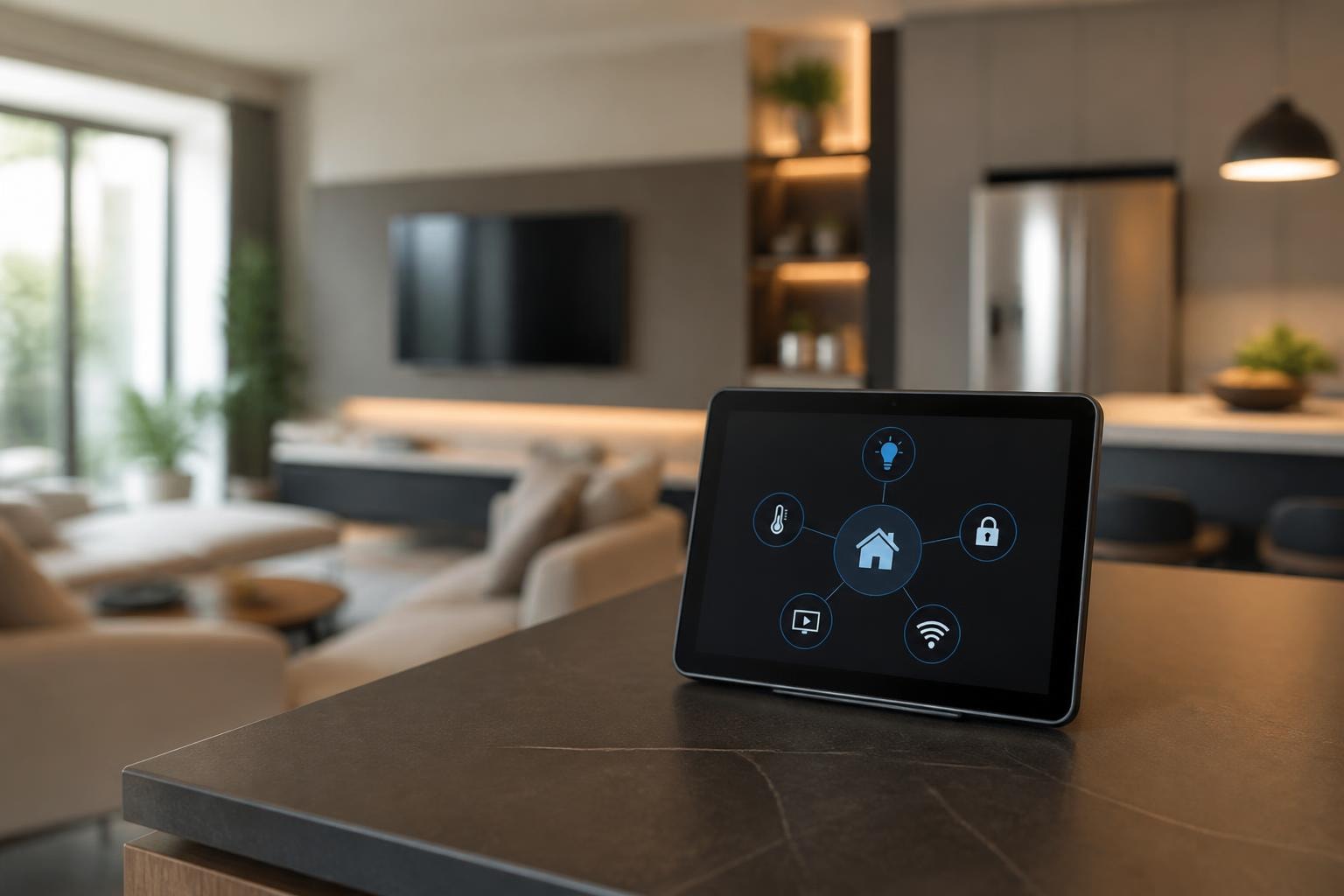
Modern integration platforms serve as central nervous systems for smart homes. These hubs coordinate communication between devices using different protocols and manufacturers. Professional installation ensures proper configuration, secure network segmentation, and reliable performance across all connected devices.
Common Integration Challenges
Several technical obstacles frequently arise during smart home installations:
Device compatibility: Ensuring products from different manufacturers communicate effectively
Network capacity: Providing sufficient bandwidth and reliability for all connected devices
Power management: Delivering clean, consistent power to sensitive electronics
Wireless interference: Minimizing signal conflicts in crowded RF environments
Future-proofing: Designing systems that accommodate emerging technologies
Experienced professionals navigate these challenges through strategic device selection, network optimization, and robust electrical design. The professional smart home wiring approach emphasizes reliability and scalability over simply connecting devices.
Essential Smart Home Systems and Technologies
Intelligent Lighting Control
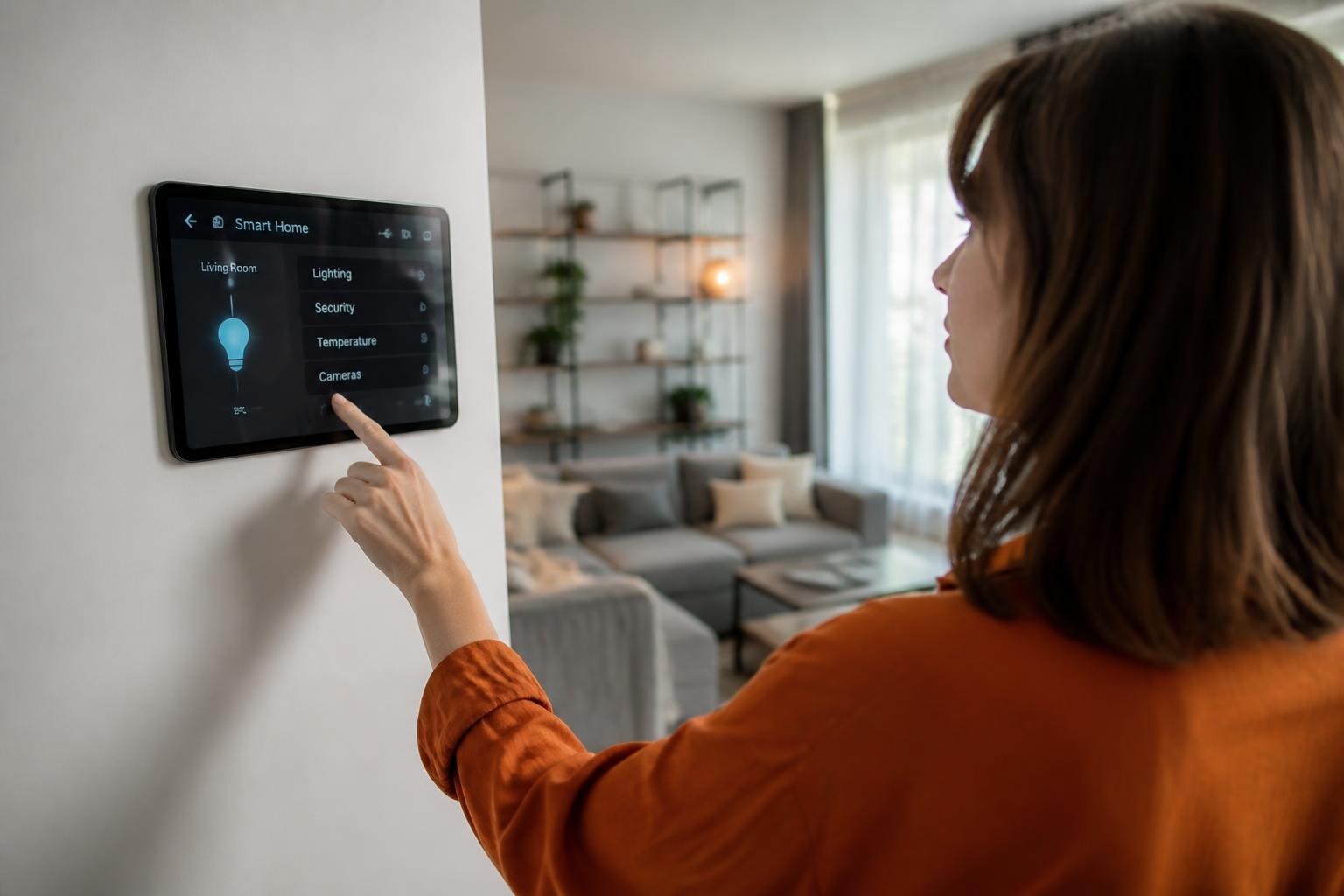
Lighting automation represents one of the most popular smart home applications. Beyond simple remote control, advanced systems provide occupancy sensing, circadian rhythm adjustment, and integration with security and entertainment systems.
Professional installation ensures proper load calculations for LED dimming, neutral wire availability, and switch compatibility. Smart home electricians configure scenes that coordinate multiple lighting zones, creating ambiance while optimizing energy consumption.
Security and Access Control
Modern security systems integrate cameras, sensors, smart locks, and access control into comprehensive monitoring platforms. Professional installation addresses critical considerations including camera placement, power backup, network security, and privacy compliance. Access control systems require particular attention to fail-safe operation and emergency override capabilities.
Climate Management
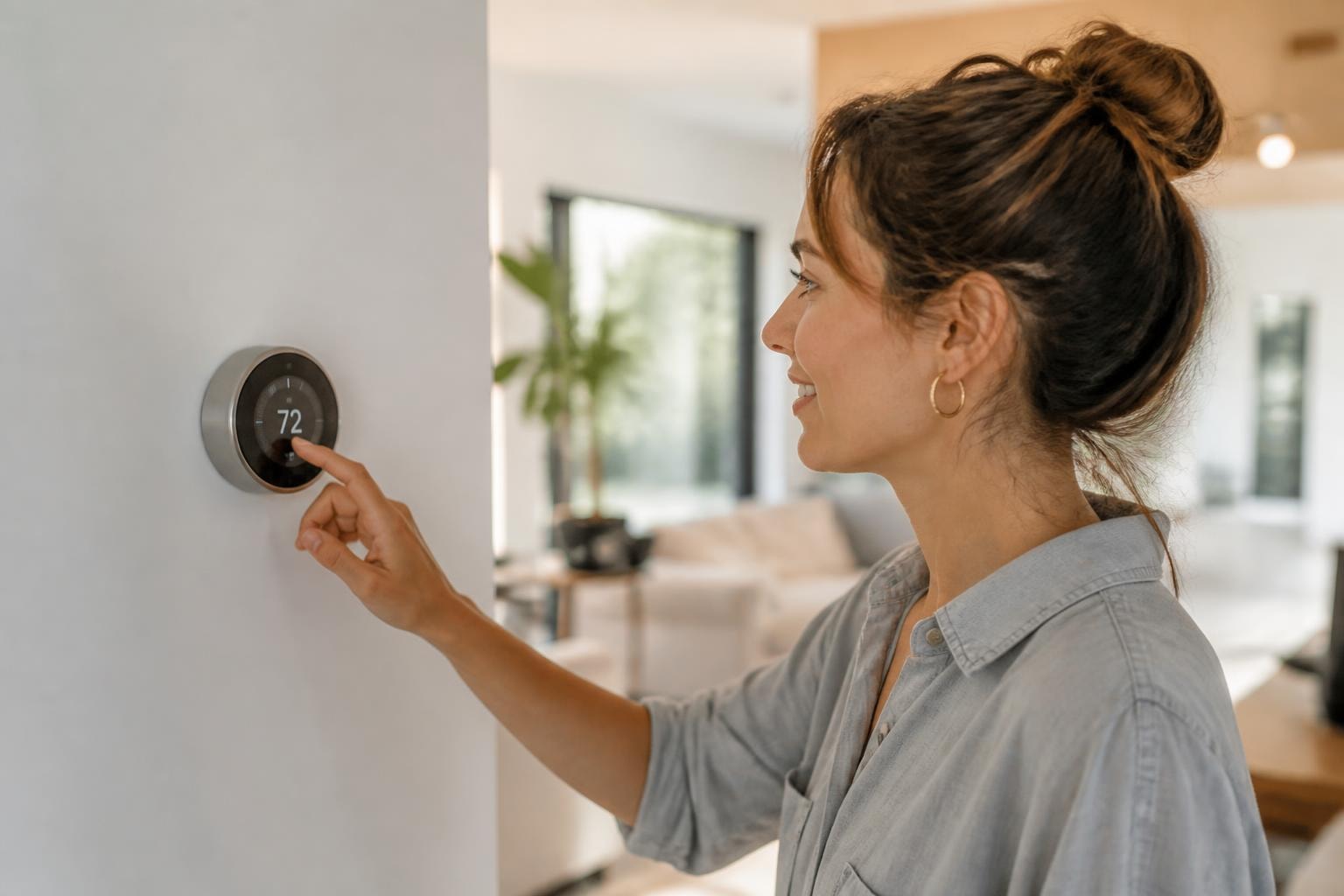
Smart thermostats and zoned HVAC control deliver significant energy savings when properly integrated. Electricians ensure compatibility with existing heating and cooling equipment, configure optimal scheduling algorithms, and integrate climate control with occupancy sensing and window covering automation.
Entertainment and Audio-Visual Systems
Whole-home audio, distributed video, and home theater installations demand expertise in both electrical power and signal distribution. Professionals design systems with appropriate circuit protection, manage cable routing for optimal signal quality, and integrate audio-visual components with lighting and climate control for immersive experiences.
Network Infrastructure for Smart Homes
Reliable network connectivity forms the foundation of any smart home system. A smart home electrician designs and implements network infrastructure that supports current devices while anticipating future growth. This includes structured cabling, wireless access point placement, and network equipment installation.
Wired backbone networks provide superior reliability for stationary devices like entertainment systems, security cameras, and fixed control panels. Professional network solutions combine wired and wireless infrastructure to optimize performance across different device categories.
Wi-Fi Optimization Strategies
Strategic access point placement for complete coverage without dead zones
Separate network segments for IoT devices, guest access, and primary users
Quality of Service (QoS) configuration prioritizing critical systems
Security protocols protecting against unauthorized access
Bandwidth management preventing individual devices from saturating connections
The proliferation of wireless devices in modern homes necessitates careful RF planning. Professionals use spectrum analysis tools to identify interference sources and optimize channel selection for maximum throughput and reliability.
Safety and Code Compliance Considerations
Electrical safety remains paramount in smart home installations. Licensed electricians ensure all work meets local electrical codes, National Electrical Code requirements, and manufacturer specifications. This compliance protects homeowners from fire hazards, electrical shock, and insurance complications.
Smart home installations introduce unique safety considerations. Low-voltage wiring must maintain appropriate separation from line voltage circuits. Power supplies require proper ventilation and overcurrent protection. Battery backup systems need compliant installation to prevent fire risks.
Professional electricians obtain necessary permits and coordinate inspections, ensuring installations meet all regulatory requirements. Resources like the EcoFlow Smart Home Panel installation manual emphasize the critical importance of licensed professional installation for safety-critical components.
Selecting the Right Smart Home Electrician
Choosing a qualified professional significantly impacts project success. Homeowners should evaluate several factors when selecting an electrician for smart home work. Relevant experience with automation systems, manufacturer certifications, and portfolio of completed projects provide insight into capabilities.
Evaluation Criteria | What to Look For | Questions to Ask |
Licensing | Current electrical license, bonded and insured | What certifications do you maintain? |
Smart Home Experience | Years working with automation, types of systems installed | How many similar projects have you completed? |
Technical Knowledge | Familiarity with current protocols and platforms | What integration platforms do you recommend? |
Planning Approach | Comprehensive assessment before quoting | How do you approach system design? |
Ongoing Support | Maintenance plans, troubleshooting availability | What support do you provide after installation? |
References from previous clients and online reviews offer valuable perspectives on reliability, communication, and problem-solving abilities. The comprehensive smart home electrical services process typically includes consultation, planning, installation, and follow-up support phases.
Cost Considerations and Investment Value
Smart home electrical installations represent significant investments with costs varying based on system complexity, home size, and selected technologies. Professional installation typically costs more than DIY approaches but delivers superior reliability, safety, and long-term value.
Budget allocation should consider several components:
Electrical infrastructure: Panel upgrades, circuit additions, dedicated wiring
Network backbone: Structured cabling, switches, wireless access points
Control platform: Integration hub, automation software, licensing
Devices and components: Switches, sensors, cameras, actuators
Professional services: Design, installation, programming, testing
While initial costs may seem substantial, smart home systems deliver ongoing value through energy savings, enhanced security, convenience, and increased property value. Professional installation minimizes future troubleshooting costs and ensures systems operate reliably for years.
Maintenance and System Updates
Smart home systems require ongoing maintenance to maintain optimal performance. A qualified smart home electrician provides regular system health checks, software updates, and performance optimization. This proactive maintenance prevents small issues from escalating into system failures.
Regular maintenance activities include:
Software updates: Keeping firmware current across all devices and platforms
Network optimization: Monitoring bandwidth usage and adjusting configurations
Security audits: Reviewing access logs and updating authentication credentials
Device testing: Verifying sensors, switches, and automated functions operate correctly
Backup verification: Ensuring system configurations are properly archived
Many smart home electricians offer maintenance contracts providing scheduled service, priority support, and discounted rates for additional work. These agreements ensure systems continue performing optimally as technology evolves and household needs change.
Emerging Technologies and Future Trends
The smart home industry continues evolving rapidly. The Matter protocol, launched in 2022 and gaining widespread adoption through 2026, promises improved interoperability between manufacturers. This standardization simplifies installations and expands device options for homeowners.
Artificial intelligence and machine learning increasingly influence smart home behavior. Systems learn household patterns, anticipate needs, and optimize energy consumption without manual programming. Professional electricians help homeowners leverage these capabilities while maintaining privacy and control.
Energy management has become more sophisticated with bidirectional electric vehicle charging, solar integration, and battery storage systems. Smart home electricians design holistic energy ecosystems that reduce grid dependence while maintaining reliability. Services addressing future-ready electrical solutions position homes to take advantage of these emerging capabilities.
Voice control continues expanding beyond simple commands to conversational interfaces understanding context and managing complex multi-step processes. Integration with health monitoring, elder care, and accessibility features broadens smart home applications beyond convenience to essential support systems.
Working with Professional Smart Home Services
Professional smart home installation typically follows a structured process ensuring thorough planning, quality execution, and client satisfaction. Initial consultations assess existing conditions, discuss goals, and establish realistic expectations. Detailed proposals outline system design, equipment specifications, timelines, and costs.
The installation phase coordinates multiple trades when necessary, including network cabling, electrical work, and device mounting. Professional project management ensures efficient scheduling and minimizes disruption to occupied homes. Testing and commissioning verify all systems operate correctly before client handoff.
Training sessions familiarize homeowners with system operation, automation features, and basic troubleshooting. Comprehensive documentation provides reference materials and contact information for future support. Many professionals maintain relationships with clients through maintenance agreements and upgrade consultations as needs evolve.
Companies like Evolve Electrical demonstrate the breadth of services modern electrical contractors provide, combining traditional electrical expertise with cutting-edge automation capabilities. This comprehensive approach ensures all aspects of smart home implementation receive professional attention.
Troubleshooting Common Smart Home Issues
Even professionally installed systems occasionally experience issues. Common problems include connectivity dropouts, automation failures, and device unresponsiveness. Experienced smart home electricians systematically diagnose issues, identifying whether problems originate from network infrastructure, device configuration, or electrical supply.
Network-related issues often stem from insufficient coverage, interference, or bandwidth limitations. Solutions may include adding access points, adjusting channel assignments, or upgrading network equipment. Device problems might require firmware updates, configuration adjustments, or replacement of failed components.
Electrical issues affecting smart home performance include voltage fluctuations, inadequate grounding, or circuit overloading. Professional electricians use diagnostic equipment to measure power quality and identify problems invisible to homeowners. Addressing these underlying electrical issues resolves symptoms affecting multiple connected devices.
Documentation and remote access capabilities enable many issues to be resolved without on-site visits. However, complex problems benefit from hands-on troubleshooting by experienced professionals familiar with both electrical systems and automation technology.
The intersection of electrical expertise and automation technology creates exciting possibilities for modern living, but realizing these benefits requires professional knowledge and careful implementation. Whether you're building a new home, renovating an existing property, or simply looking to enhance your living experience with smart technology, working with experienced professionals ensures reliable, safe, and scalable solutions. Evolve Electrical brings comprehensive expertise in electrical services and smart home automation, helping homeowners throughout the design, installation, and ongoing support process to create intelligent living environments tailored to their unique needs.
Comments