
Whole House Surge Protector Installation Guide 2026
Modern homes contain thousands of dollars worth of sensitive electronics, from smart home systems to entertainment centers and computer equipment. A single power surge can destroy these valuable devices in milliseconds. While many homeowners rely on plug-in surge protectors, they offer limited protection compared to a comprehensive solution installed at your main electrical panel. Whole house surge protector installation provides the first line of defense against voltage spikes, protecting everything connected to your electrical system from lightning strikes, utility grid fluctuations, and internal surges caused by large appliances cycling on and off.
Understanding Whole House Surge Protection
Power surges occur more frequently than most people realize. According to This Old House's analysis of surge protector effectiveness, the average home experiences dozens of small surges daily, with larger events happening several times per year. These voltage spikes can gradually degrade electronic components or cause immediate catastrophic failure.
A whole house surge protector, also called a service entrance surge protection device, mounts directly to your main electrical panel. It monitors incoming power and diverts excess voltage to the ground wire when a surge is detected. This process happens in nanoseconds, protecting your circuits before harmful voltage reaches your devices.
Types of Surge Protection Devices
Type 1 devices install between the utility meter and the main service panel, offering the most comprehensive protection. These units handle the largest surge currents and are particularly important in areas with frequent lightning activity.
Type 2 devices mount directly to your main electrical panel or a subpanel. These are the most common choice for residential whole house surge protector installation because they balance cost, protection level, and installation convenience.
Type 3 devices are the familiar point-of-use surge protectors that plug into outlets. While useful, they should complement rather than replace whole house protection.
Protection Type | Location | Surge Capacity | Best For |
Type 1 | Service entrance | Highest (200kA+) | Lightning-prone areas |
Type 2 | Main panel | Medium (50-80kA) | Standard residential |
Type 3 | Individual outlets | Lower (1-5kA) | Sensitive equipment |
Benefits of Professional Installation
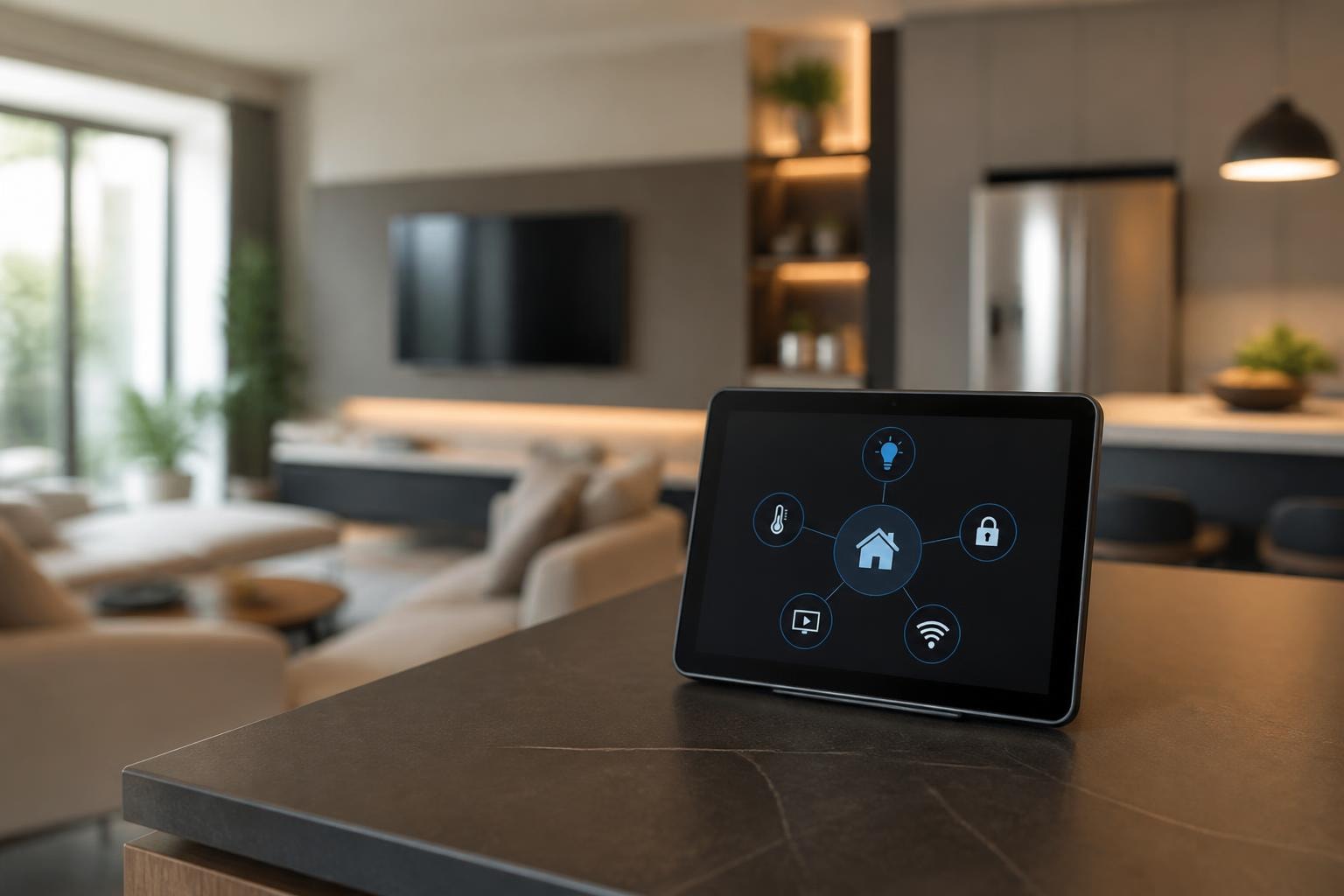
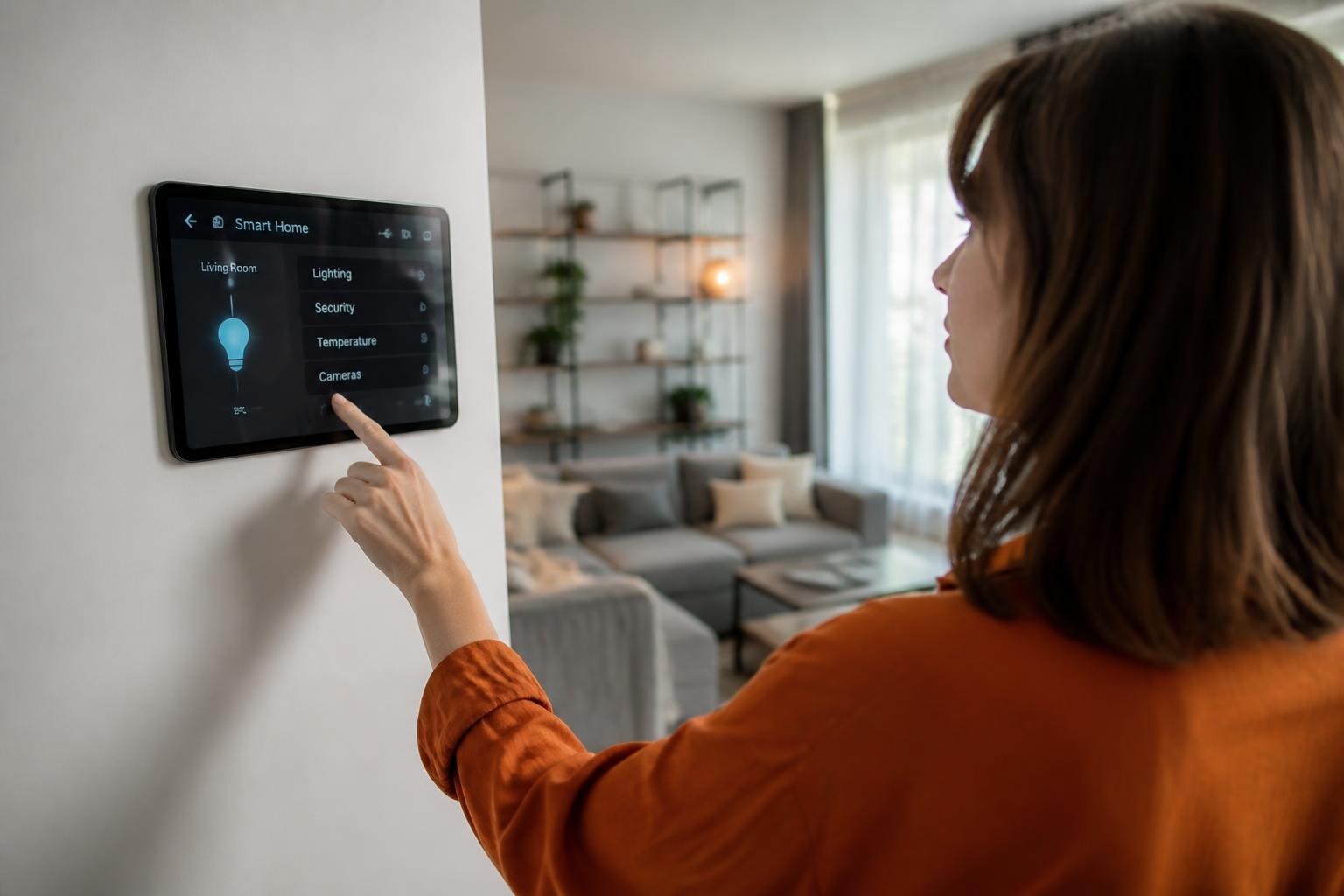
Investing in whole house surge protector installation delivers multiple advantages beyond simply protecting your television and computer. The comprehensive nature of this solution makes it particularly valuable for homes with smart home automation systems that integrate lighting, climate control, security, and entertainment.
Complete System Protection ensures every circuit in your home receives protection, including hardwired appliances like HVAC systems, water heaters, and garage door openers that cannot use plug-in surge protectors.
Enhanced Device Lifespan results from eliminating the cumulative damage caused by frequent minor surges. Even small voltage fluctuations gradually degrade electronic components, shortening the operational life of expensive equipment.
Insurance Against Lightning provides peace of mind during storms. Direct or nearby lightning strikes generate massive voltage spikes that overwhelm point-of-use protectors but can be safely diverted by properly rated whole house units.
Many surge protector manufacturers offer equipment warranties covering connected devices if their product fails to prevent damage. These warranties typically range from $25,000 to $100,000, though exclusions and claim requirements vary significantly.
Cost Considerations and Return on Investment
The investment in whole house surge protector installation typically ranges from $300 to $800 for materials and professional installation. Premium models with higher joule ratings and advanced features may cost up to $1,500. When you consider that replacing a single damaged smart home hub, home theater receiver, or computer system often exceeds these costs, the protection becomes financially prudent.
Smart home installations represent particularly valuable targets for surge protection. Network solutions connecting multiple devices create numerous pathways for surge damage to spread throughout your system. A surge entering through cable or phone lines can damage equipment across your entire network if not properly protected.
Installation Requirements and Process
Whole house surge protector installation requires working inside your electrical panel with potentially lethal voltages. This is not a DIY project for homeowners without electrical training. Professional electricians possess the expertise to safely integrate these devices while ensuring compliance with local electrical codes.
Pre-Installation Assessment
Before installation begins, a qualified electrician evaluates several factors:
Panel capacity to accommodate the surge protector
Available breaker spaces or need for tandem breakers
Grounding system quality for proper surge diversion
Service rating to select appropriately sized protection
Existing protection that may need upgrading
Your electrical panel must have adequate grounding to safely dissipate surge energy. Understanding electrical testing helps identify potential grounding issues that could compromise surge protection effectiveness.
Installation Steps for Professionals
Licensed electricians follow specific protocols when performing whole house surge protector installation. According to Electrical Knowledge's installation guide, the process involves several critical steps that ensure both safety and effectiveness.
The electrician first shuts off the main breaker and verifies power disconnection with a non-contact voltage tester. They then select an appropriate mounting location inside the panel, typically near the main breaker for optimal protection. The surge protector connects to a dedicated two-pole breaker sized according to manufacturer specifications.
Critical connection points include:
Hot wires connecting to the breaker terminals
Neutral wire connecting to the neutral bus bar
Ground wire attaching to the ground bus bar or grounding electrode conductor
Proper torque applied to all connections per code requirements
After securing all connections, the electrician restores power and tests the device using built-in indicators that confirm proper operation. Many modern units include LED status lights showing protection status and ground connection quality.
Selecting the Right Surge Protector
Not all surge protection devices offer equivalent protection. Understanding key specifications helps you make an informed decision about which device best suits your home's needs. Hunker's guide to whole-house surge protectors explains important rating criteria.
Key Specifications to Consider
Voltage Protection Rating (VPR) indicates the maximum voltage the device allows through during a surge. Lower numbers provide better protection. Look for devices with VPRs of 700 volts or less for optimal protection of sensitive electronics.
Surge current rating measured in kiloamperes (kA) indicates how much surge energy the device can handle. Residential applications typically require ratings between 40kA and 80kA. Lightning-prone areas benefit from higher ratings of 100kA or more.
Clamping voltage represents the threshold at which the device begins diverting excess voltage. Devices with clamping voltages around 400 volts offer excellent protection without triggering on minor fluctuations.
Response time measured in nanoseconds determines how quickly the device reacts to surges. Modern suppressors typically respond in less than one nanosecond, providing nearly instantaneous protection.
Feature | Minimum Recommended | Premium Options |
Surge Current | 50kA | 100kA+ |
Clamping Voltage | 600V | 400V |
VPR | 700V | 400V |
Response Time | 1 nanosecond | <1 nanosecond |
Warranty Coverage | $25,000 | $75,000+ |
Integration with Smart Home Systems
Modern homes increasingly depend on interconnected smart devices that control lighting, climate, security, and entertainment. These systems represent significant investments requiring comprehensive protection. Whole house surge protector installation becomes even more critical when you've invested in smart home upgrades that integrate multiple expensive components.
Smart home hubs, wireless access points, network switches, and automation controllers contain sensitive circuitry particularly vulnerable to voltage fluctuations. A surge entering through any pathway can cascade through your network, potentially damaging dozens of connected devices.
Multi-Path Protection Strategy
Electrical surges don't only enter through power lines. Cable television, satellite, telephone, and fiber optic connections can all conduct damaging voltage spikes into your home. Comprehensive protection requires addressing all potential entry points.
Quality whole house surge protectors include dedicated connections for:
Coaxial cable lines for television and internet
Telephone line protection for landlines and DSL
Network cable protection for ethernet connections
Generator backfeed protection for homes with backup power
Audio-visual installations particularly benefit from multi-path protection. Home theater systems connect to power, cable, satellite, and network sources simultaneously, creating multiple surge pathways that must all be protected to prevent equipment damage.
Maintenance and Monitoring
Unlike plug-in surge protectors that visibly fail, panel-mounted devices may continue appearing functional even after their protective components have been sacrificed stopping a major surge. Regular monitoring ensures your protection remains effective.
Indicator Systems and Testing
Most modern surge protectors include LED indicators showing operational status:
Green light: Device functioning normally with active protection
Yellow/Amber light: Reduced protection capacity requiring replacement
Red light or no light: Failed device requiring immediate replacement
Professional electricians recommend annual inspections of whole house surge protector installation during routine electrical maintenance. These inspections verify proper operation, check connection tightness, and assess whether surge events have degraded protection capacity.
After significant electrical events like nearby lightning strikes or major utility incidents, have your surge protector inspected even if indicators show normal operation. Internal component damage may not immediately affect indicator lights.
Code Compliance and Permit Requirements
Electrical work in most jurisdictions requires permits and inspections to ensure safety and code compliance. Whole house surge protector installation typically falls under these requirements, though specific regulations vary by location.
The National Electrical Code (NEC) establishes standards for surge protection installation, including proper device rating, installation location, and connection methods. Local amendments may impose additional requirements or specific product approvals.
Working with Licensed Professionals
Hiring a licensed electrician ensures your installation meets all applicable codes and safety standards. Professional electricians carry liability insurance protecting homeowners from installation defects and maintain current knowledge of evolving electrical codes.
Licensed professionals also understand nuances like proper grounding electrode sizing, bonding requirements, and panel compatibility issues that impact surge protector effectiveness. Quality electrical services prioritize both immediate functionality and long-term reliability.
Many insurance companies offer premium discounts for homes with professionally installed whole house surge protection. Documentation from your electrician may be required to qualify for these savings, providing additional return on your installation investment.
Coordinated Protection for Maximum Effectiveness
While whole house surge protector installation provides excellent primary protection, a layered approach offers superior defense for valuable electronics. This strategy combines panel-mounted protection with point-of-use devices for sensitive equipment.
The panel-mounted device stops large surges from lightning and utility events, absorbing the majority of surge energy. Point-of-use protectors then handle smaller surges and provide additional clamping for critical devices like computers, home theater equipment, and smart home hubs.
Protection Coordination Strategy
Primary protection at the service entrance or main panel stops major surges
Secondary protection at subpanels defends specific areas or circuits
Tertiary protection at outlets guards individual high-value devices
Communication line protection prevents surges entering through data cables
This coordinated approach, explained in DW Electric's comprehensive guide, ensures surges cannot bypass your defenses regardless of their entry point or magnitude. Each protection layer adds redundancy while addressing specific vulnerability points.
For homes with dedicated home offices, entertainment rooms, or smart home equipment concentrations, installing subpanel surge protectors provides additional localized protection beyond the main panel device.
Environmental and Electrical Factors
Geographic location and local electrical infrastructure significantly influence surge risk and appropriate protection levels. Understanding these factors helps you select properly rated equipment for your specific circumstances.
Lightning exposure varies dramatically by region. The southeastern United States experiences the highest lightning frequency, while the Pacific Northwest sees relatively few strikes. LSP's essential guide recommends higher surge current ratings for lightning-prone areas.
Utility infrastructure age affects surge frequency. Older electrical grids experience more voltage fluctuations from switching operations, transformer failures, and equipment problems. Homes served by overhead power lines face higher surge risk than underground service.
Local electrical quality influences the frequency of minor surges that cumulatively damage electronics. Areas with unstable power benefit from surge protectors with lower clamping voltages that engage on smaller fluctuations.
Homes in rural areas often experience more frequent and severe surges due to longer power lines, greater lightning exposure, and fewer grid stabilization systems. These locations particularly benefit from robust whole house surge protector installation with maximum surge current ratings.
Common Installation Mistakes to Avoid
Improper installation can significantly reduce surge protection effectiveness or create safety hazards. Understanding common errors helps ensure your protection performs as intended.
Inadequate grounding represents the most critical installation failure. Surge protectors must connect to properly sized grounding electrodes capable of safely dissipating surge energy. Poor grounding causes surges to seek alternative paths through connected equipment rather than safely reaching earth.
Incorrect breaker sizing either fails to protect the surge protector itself or unnecessarily limits its surge handling capacity. Manufacturers specify required breaker sizes based on device design and surge current ratings.
Poor connection torque leads to high-resistance joints that overheat during normal operation and may fail during surge events. Connections must be tightened to manufacturer specifications using calibrated torque screwdrivers.
Missing surge protector on all service entry points leaves vulnerabilities through unprotected pathways. Cable, telephone, and data line protection must complement electrical protection for comprehensive defense.
Working with experienced professionals from Evolve Electrical ensures your installation avoids these common pitfalls while meeting all code requirements and manufacturer specifications.
Special Considerations for Modern Homes
Contemporary residential construction and renovation projects incorporate features that increase both surge vulnerability and the value of proper protection. New builds present ideal opportunities to integrate comprehensive surge protection from the beginning.
Solar panel installations require special surge protection considerations. Photovoltaic systems introduce additional surge pathways through DC wiring while representing significant investments requiring protection. Dedicated solar surge protectors work alongside whole house devices to protect both grid-connected and solar circuits.
Electric vehicle charging stations draw high currents and contain sensitive control electronics. Protecting these expensive installations requires properly rated surge protection on dedicated circuits serving charging equipment.
Home battery backup systems store significant energy and incorporate sophisticated power management electronics. These systems need protection from both grid surges and internal surges generated when batteries charge or discharge at high rates.
Whole house surge protector installation becomes increasingly important as homes evolve into sophisticated electrical ecosystems integrating renewable energy, energy storage, electric vehicle infrastructure, and comprehensive automation systems.
Protecting your home's electrical systems and valuable electronics from damaging power surges requires professional installation of properly rated surge protection devices at your main electrical panel. Whether you're planning a new build, major renovation, or simply upgrading your existing home's protection, Evolve Electrical brings the expertise to design and implement comprehensive surge protection strategies tailored to your specific needs. Our licensed electricians ensure code-compliant installations that defend your investment in smart home systems, entertainment equipment, and essential appliances for years to come.
Comments