
Understanding Electrical Emergencies: A Comprehensive Guide for Homeowners in Hawkes Bay
Updated: Apr 7
Electrical emergencies don't follow business hours. A sparking outlet at midnight, complete power loss during a winter storm, or a burning smell from your electrical panel on a Sunday morning all demand immediate attention. Understanding when you need a 24/7 electrician and what qualifies as a genuine emergency can protect your property, prevent injuries, and save you from costly damage. This comprehensive guide explores emergency electrical services, response expectations, and how to prepare for unexpected electrical issues.
Emergency Electrical Services Explained
A 24/7 electrician provides round-the-clock response to urgent electrical problems that pose safety risks or cause significant disruption. These professionals maintain availability outside standard business hours to address situations that cannot wait until morning. Emergency electrical services differ fundamentally from routine maintenance. Emergency calls prioritize safety hazards such as exposed wiring, electrical fires, or complete power failures that affect critical systems. Standard appointments handle upgrades, installations, and non-urgent repairs during regular hours.
What Constitutes a True Electrical Emergency
Not every electrical issue requires immediate attention. Genuine emergencies involve imminent danger or severe functional loss.
Immediate Safety Hazards:
Visible sparks or flames from outlets, switches, or panels
Burning odors from electrical components
Buzzing or crackling sounds from the electrical panel
Exposed live wires
Electrical shock from appliances or fixtures
Smoke emanating from electrical devices
Critical System Failures:
Complete power loss affecting medical equipment
Failed heating systems during extreme cold
Refrigeration failure in commercial settings
Security system malfunctions
Flooded electrical equipment
Many homeowners struggle to distinguish between urgent and non-urgent issues. A flickering light might indicate a loose bulb or a serious wiring problem. When smart home electrical installation systems malfunction, determining urgency requires understanding whether safety or security is compromised.

Response Times and Service Expectations
When you contact a 24/7 electrician, understanding realistic response times helps manage expectations during stressful situations. Response speed depends on several factors including your location, severity of the emergency, and current demand.
Average Response Windows
Emergency Type | Typical Response Time | Priority Level |
Active electrical fire | 30-60 minutes | Critical |
Power outage (full property) | 1-2 hours | High |
Sparking/smoking equipment | 1-2 hours | High |
Partial power loss | 2-4 hours | Medium |
Failed critical systems | 2-3 hours | Medium-High |
Professional emergency electricians prioritize calls based on danger level. Active fires or situations involving potential electrocution receive immediate dispatch. Issues causing inconvenience but no immediate danger may experience slightly longer wait times during peak periods. Most reputable services provide estimated arrival times during initial contact. This allows you to take appropriate safety measures while awaiting assistance.
What Happens During an Emergency Call
Emergency electrical service follows a structured process designed to restore safety and function efficiently:
Initial Assessment: The electrician evaluates the situation to identify immediate dangers.
Safety Measures: Power isolation and hazard mitigation take priority.
Problem Diagnosis: Systematic testing identifies the root cause.
Temporary Solutions: Quick fixes restore essential services.
Permanent Repairs: Complete resolution, sometimes scheduled for standard hours.
Documentation: Detailed reporting for insurance and future reference.
Emergency technicians carry specialized equipment for diagnostics and common repairs. However, complex issues requiring custom parts or extensive work may receive temporary solutions with scheduled follow-ups for permanent fixes.
Cost Considerations for After-Hours Service
Emergency electrical services command premium pricing compared to standard appointments. Understanding fee structures prevents surprises during already stressful situations.
Pricing Components
Emergency rates typically include multiple cost factors beyond standard labor charges:
Call-out fees: Fixed charge for after-hours response ($150-$300)
Hourly rates: Premium labor costs (1.5x to 2.5x standard rates)
Materials: Parts and supplies at regular or marked-up prices
Travel surcharges: Additional fees for distance or difficult access
Minimum service periods: Many require 2-4 hour minimums
Weekend and holiday rates often exceed weeknight emergency charges. A Sunday morning call might cost 2.5 times the standard Tuesday afternoon rate for identical work. Insurance coverage varies significantly. Some policies cover emergency electrical repairs related to covered perils, while others exclude electrical work entirely. Review your homeowner's insurance before emergencies arise to understand your coverage.
Preventing Common Electrical Emergencies
Proactive maintenance significantly reduces emergency electrical situations. Regular inspections and timely upgrades address potential problems before they escalate into dangerous failures.
Essential Preventive Measures
Regular Professional Inspections:
Annual electrical system reviews
Panel capacity assessments
Wiring condition evaluations
Safety device testing (RCDs, circuit breakers)
Thermal imaging for hidden hot spots
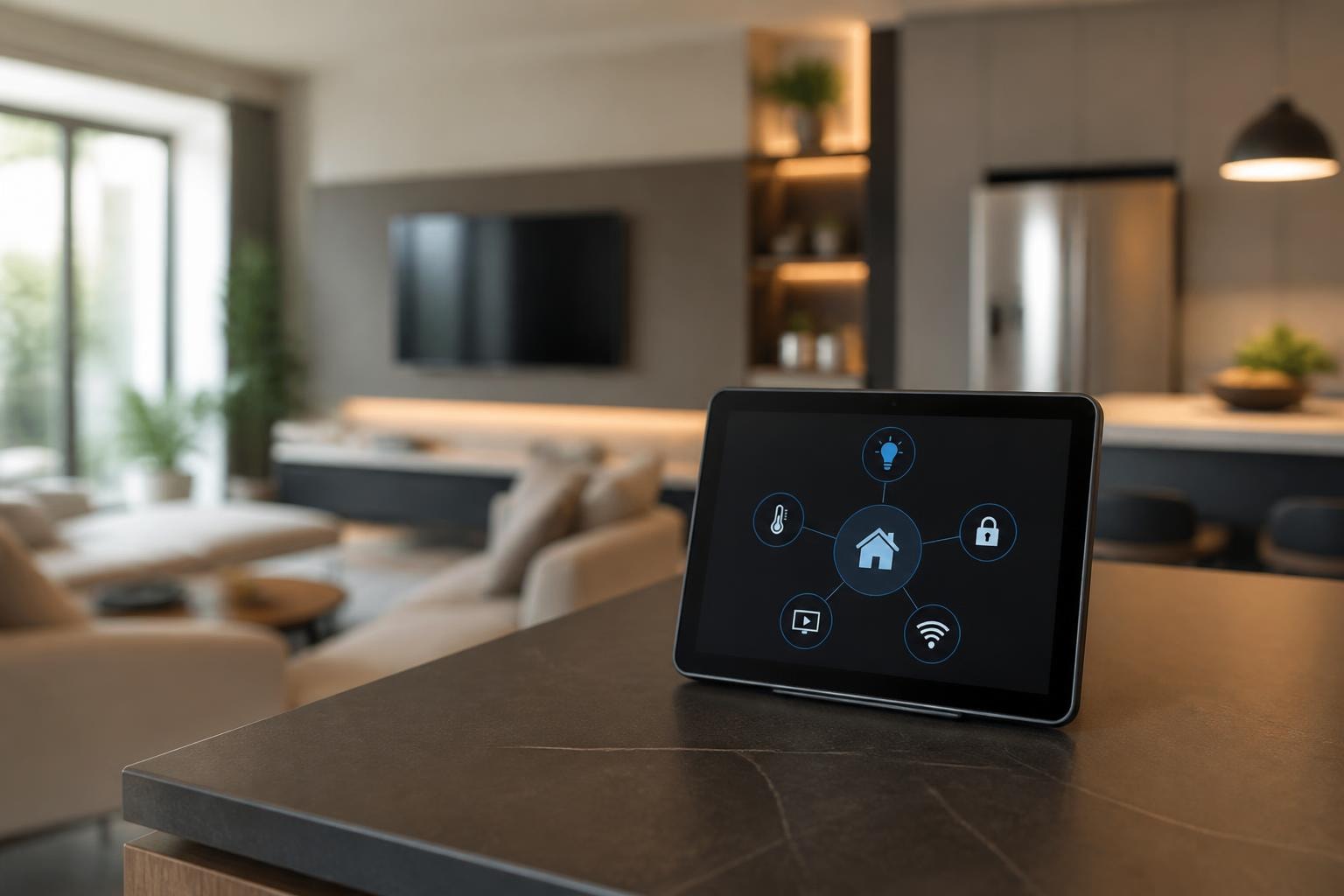
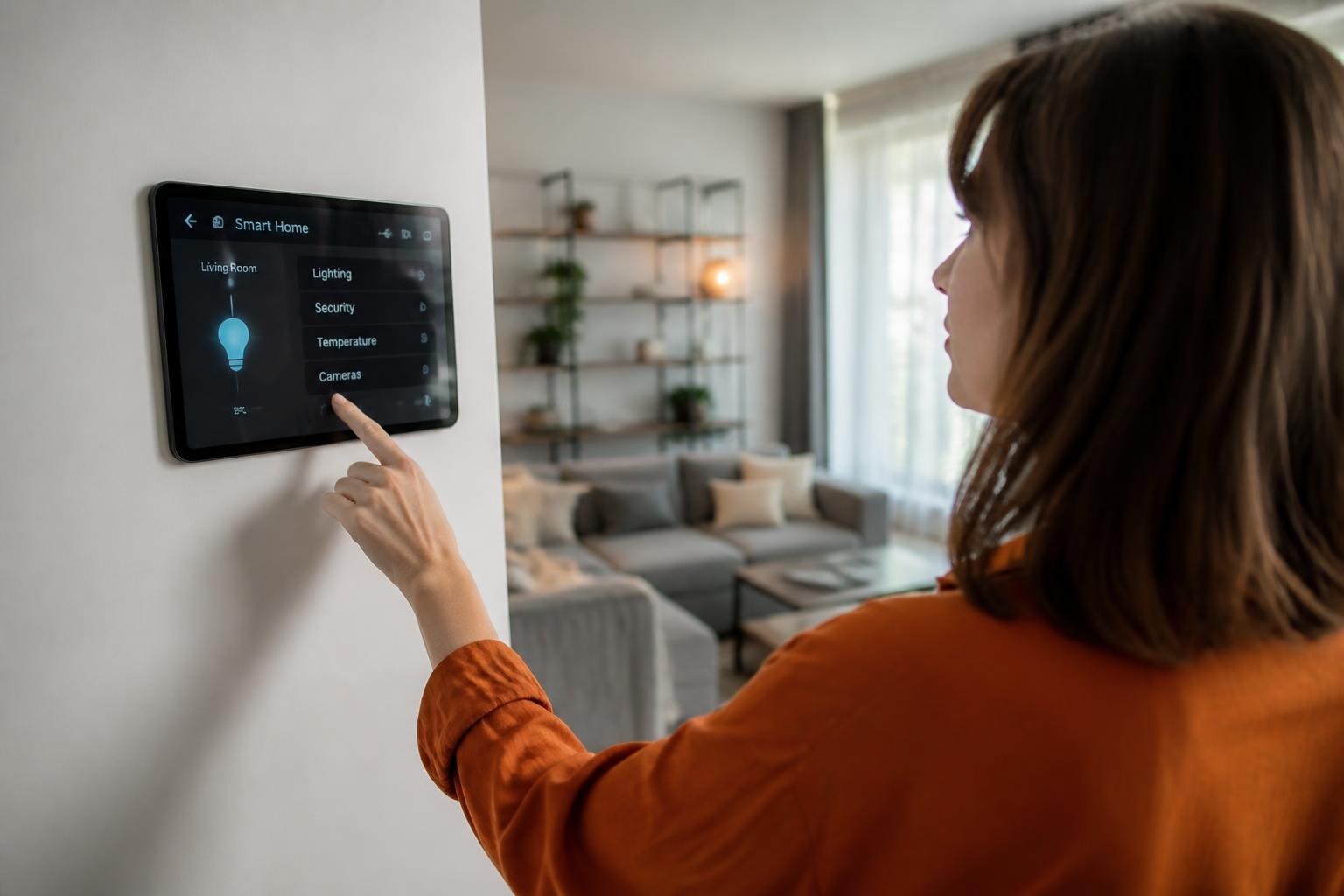
Smart Home Integration Benefits: Modern smart home automation systems provide early warning for electrical issues. Smart panels monitor circuit loads, detect anomalies, and alert homeowners to developing problems before they become emergencies.
Homeowner Maintenance Tasks:
Testing GFCI outlets monthly
Checking for warm outlets or switches
Noting flickering lights or dimming
Avoiding circuit overloads
Replacing damaged cords immediately
Prevention Strategy | Frequency | Emergency Risk Reduction |
Professional inspection | Annual | 60-70% |
Panel upgrades (when needed) | As required | 40-50% |
GFCI testing | Monthly | 30-40% |
Smart monitoring systems | Continuous | 50-60% |
Surge protection | One-time installation | 35-45% |
Installing whole house surge protector systems protects against voltage spikes that damage sensitive electronics and potentially cause fires. This single upgrade prevents numerous emergency scenarios.
Finding a Reliable 24/7 Electrician
Identifying trustworthy emergency electrical services before you need them ensures quick access during actual emergencies. Research and preparation during calm periods pay dividends when crisis strikes.
Qualification Verification
Professional emergency electricians maintain specific credentials and insurance coverage that protect both themselves and clients:
Licensed and certified for your region's requirements
Comprehensive liability insurance covering emergency work
Workers compensation for their technicians
Emergency response protocols and dedicated hotlines
Verified references from previous emergency calls
Request licensing numbers and verify them with your local electrical regulatory authority. Legitimate professionals provide this information readily and welcome verification.
Red Flags to Avoid
Certain warning signs indicate unreliable or potentially dangerous service providers:
Immediate Concerns:
Inability to provide licensing information
No physical business address
Requesting full payment before starting work
Lack of proper safety equipment
Resistance to providing written estimates
Service Quality Indicators:
Poor communication or vague responses
No emergency dispatch system
Extremely low pricing (below market rates)
No insurance documentation
Pressure tactics or scare tactics
Building a relationship with quality electrical professionals before emergencies occur creates an established contact for urgent situations. Companies familiar with your property's electrical configuration respond more efficiently.
Smart Home Technology and Emergency Prevention
Modern electrical systems with integrated monitoring capabilities revolutionize emergency prevention. These technologies detect problems early and sometimes prevent emergencies entirely.
Real-Time Monitoring Capabilities
Advanced electrical panels with smart monitoring track:
Circuit-level power consumption
Voltage fluctuations and abnormalities
Temperature increases in specific circuits
Arc fault detection
Ground fault monitoring
These systems send alerts to smartphones when anomalies occur, allowing intervention before problems escalate. A gradual temperature increase in a specific circuit might indicate a loose connection developing into a potential fire hazard. When combined with network solutions for reliable connectivity, smart electrical systems maintain constant communication with monitoring services and homeowners.
Integration with Emergency Systems
Comprehensive smart home electrical systems coordinate with other safety infrastructure:
Automatic shutdown protocols isolate problems.
Emergency lighting activation during power failures.
Backup power management for critical systems.
Direct notification to emergency services when appropriate.
Remote diagnostic access for electricians.
This integration transforms reactive emergency response into proactive problem management. Your 24/7 electrician can sometimes diagnose issues remotely and arrive with necessary parts, reducing service time significantly.
Preparing Your Property for Electrical Emergencies
Even with the best preventive measures, electrical emergencies occasionally occur. Proper preparation minimizes damage and accelerates professional response when you need a 24/7 electrician.
Essential Emergency Equipment
Every property should maintain basic electrical emergency supplies:
Fire extinguishers (Class C rated for electrical fires)
Flashlights with fresh batteries (avoid candles during electrical issues)
Emergency contact list including your trusted electrician
Main breaker location clearly marked and accessible
First aid kit with burn treatment supplies
Document your electrical panel layout with clear labeling. Photograph the panel with all breaker labels visible and store this digitally where family members can access it. During emergencies, this information helps electricians quickly identify affected circuits.
Creating an Emergency Response Plan
Structured plans reduce panic and improve safety during electrical emergencies:
Immediate Actions for Different Scenarios:
Power Outage Protocol:
Check neighborhood to determine if outage is localized.
Inspect electrical panel for tripped breakers.
Disconnect sensitive electronics.
Contact utility company or 24/7 electrician as appropriate.
Activate backup power if available.
Sparking/Smoking Equipment Protocol:
Immediately shut off power at main breaker.
Evacuate if fire is present.
Call emergency services (111) for active fires.
Contact 24/7 electrician after securing safety.
Do not restore power until professional clearance.
Family members should know the main breaker location and how to shut it off safely. This single action prevents many emergencies from worsening while awaiting professional help.
Commercial vs. Residential Emergency Services
Business properties face unique electrical emergency challenges requiring specialized 24/7 electrician services. Commercial electrical systems differ significantly from residential installations in complexity, capacity, and criticality.
Business Continuity Considerations
Commercial electrical failures impact revenue, employee safety, and customer service. Businesses require prioritized response and often maintain service contracts guaranteeing specific response times.
Key Commercial Emergency Factors:
Higher power demands and complex distribution
Three-phase power systems requiring specialized expertise
Regulatory compliance during repairs
Production or operation continuity needs
Data center and server room priorities
Companies providing advanced electrical services understand commercial environments' unique demands and maintain appropriate resources for rapid business restoration.
Service Level Agreements
Businesses often establish formal relationships with emergency electrical providers through service contracts:
Agreement Type | Response Guarantee | Monthly Cost Range | Best For |
Basic coverage | 4-6 hours | $150-$300 | Small retail |
Priority service | 2-3 hours | $400-$700 | Restaurants, offices |
Premium/Critical | 1-2 hours | $800-$1,500 | Hospitals, data centers |
Dedicated on-call | 30-60 minutes | $2,000+ | Manufacturing, critical infrastructure |
These agreements often include regular preventive maintenance, reducing overall emergency frequency and costs through early problem detection.
Technological Advances in Emergency Response
The electrical service industry continuously evolves with technology improving emergency response capabilities. Understanding these advances helps property owners make informed decisions about their electrical infrastructure.
Remote Diagnostics and Support
Modern communication technology enables preliminary assessment before technicians arrive:
Video call diagnostics allow electricians to evaluate situations remotely.
Thermal imaging via smartphone attachments detect hot spots.
Smart panel data provides real-time electrical system information.
Remote monitoring systems alert electricians to developing problems.
These capabilities reduce unnecessary emergency calls and ensure arriving technicians bring appropriate equipment and parts for identified problems.
Predictive Maintenance Technologies
Artificial intelligence and machine learning analyze electrical system data to predict failures before they occur:
Emerging Technologies:
Pattern recognition identifying pre-failure signatures.
Automated scheduling for preventive intervention.
Load forecasting preventing overload situations.
Equipment lifespan prediction for proactive replacement.
Properties equipped with these systems experience fewer emergencies and lower overall electrical system costs despite higher initial technology investment.
Seasonal Electrical Emergency Patterns
Understanding seasonal electrical emergency patterns helps property owners prepare for high-risk periods and implement targeted preventive measures.
Winter Challenges
Cold weather increases electrical system stress and emergency frequency:
Heating system failures during temperature extremes.
Ice damage to weatherheads and service connections.
Increased indoor electrical loads from additional heating and lighting.
Holiday decoration overloads causing circuit failures.
Frozen ground complicating certain repairs.
Scheduling pre-winter electrical testing identifies vulnerable components before heating season begins. This proactive approach prevents many cold-weather emergencies.
Summer Considerations
Hot weather presents different electrical challenges:
Air conditioning loads stressing circuits and panels.
Storm damage from lightning and high winds.
Increased outdoor electrical use for pools, outdoor entertainment.
Heat-accelerated equipment degradation.
Power grid stress during peak demand periods.
Professional inspection before summer ensures cooling systems, outdoor circuits, and panels handle seasonal demands safely. Emergency electrical situations require prompt, professional attention to protect your property and ensure safety. Understanding what constitutes a genuine emergency, maintaining relationships with qualified professionals, and implementing smart monitoring systems significantly reduces both emergency frequency and severity. Evolve Electrical provides comprehensive electrical services including emergency response, smart home automation, and preventive maintenance to keep your property safe and functional around the clock.
Comments