
Evolve Smart: Modern Home Automation Solutions
Modern homeowners are reimagining what it means to live comfortably and securely. The concept to evolve smart home technology has transformed from a luxury into an essential aspect of contemporary living. As we navigate 2026, the integration of intelligent systems throughout residential spaces offers unprecedented control, efficiency, and peace of mind. This evolution encompasses everything from automated lighting and climate control to sophisticated security networks and energy management systems that adapt to your lifestyle while reducing operational costs.
Understanding Smart Home Evolution
The journey to evolve smart home environments reflects rapid technological advancement and changing consumer expectations. What began as simple programmable thermostats and basic security cameras has grown into comprehensive ecosystems where devices communicate, learn, and anticipate needs.
Today's smart homes leverage artificial intelligence, machine learning, and seamless connectivity to create environments that respond to resident preferences automatically. Voice control, automated scheduling, and remote access have become standard features rather than premium add-ons.
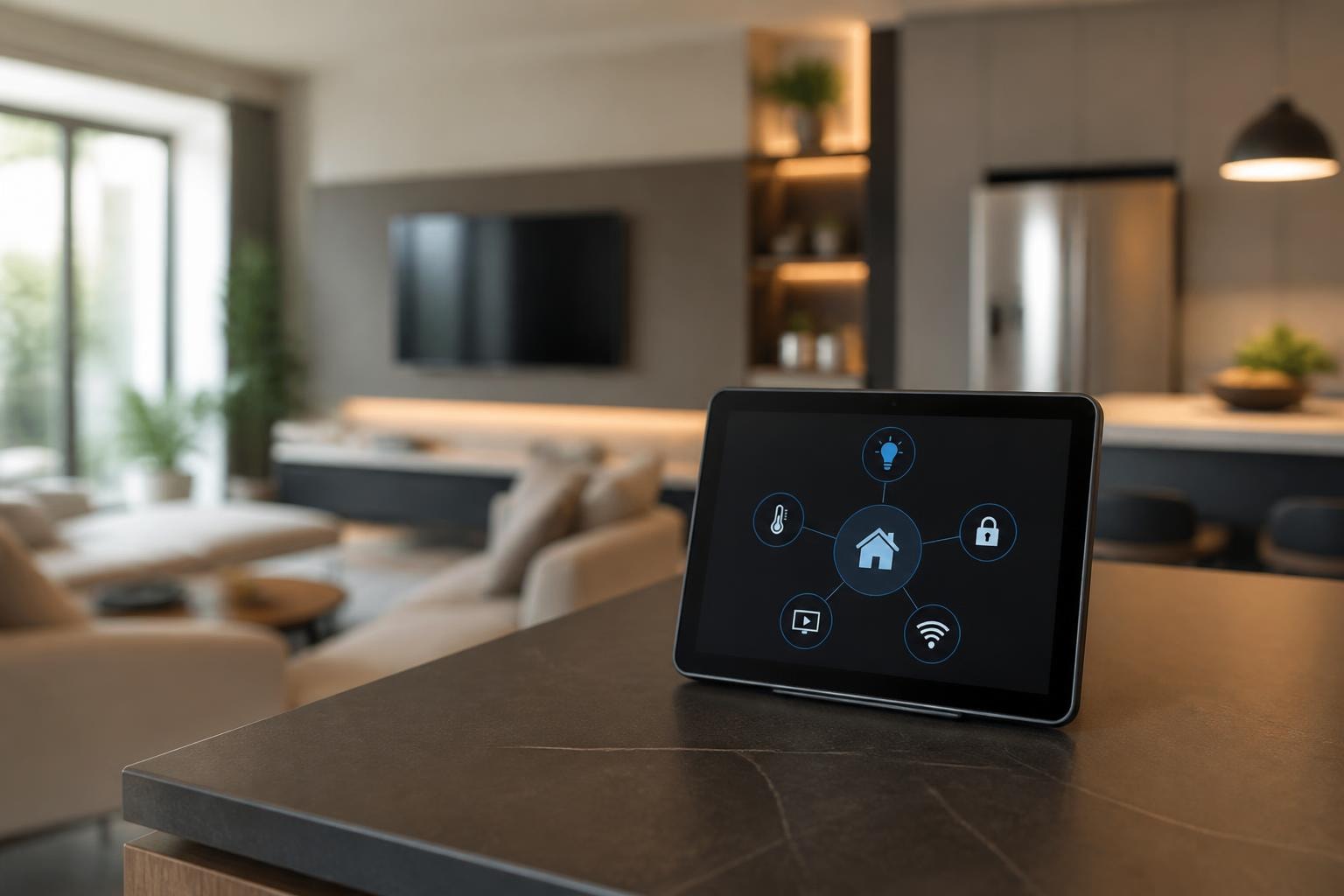
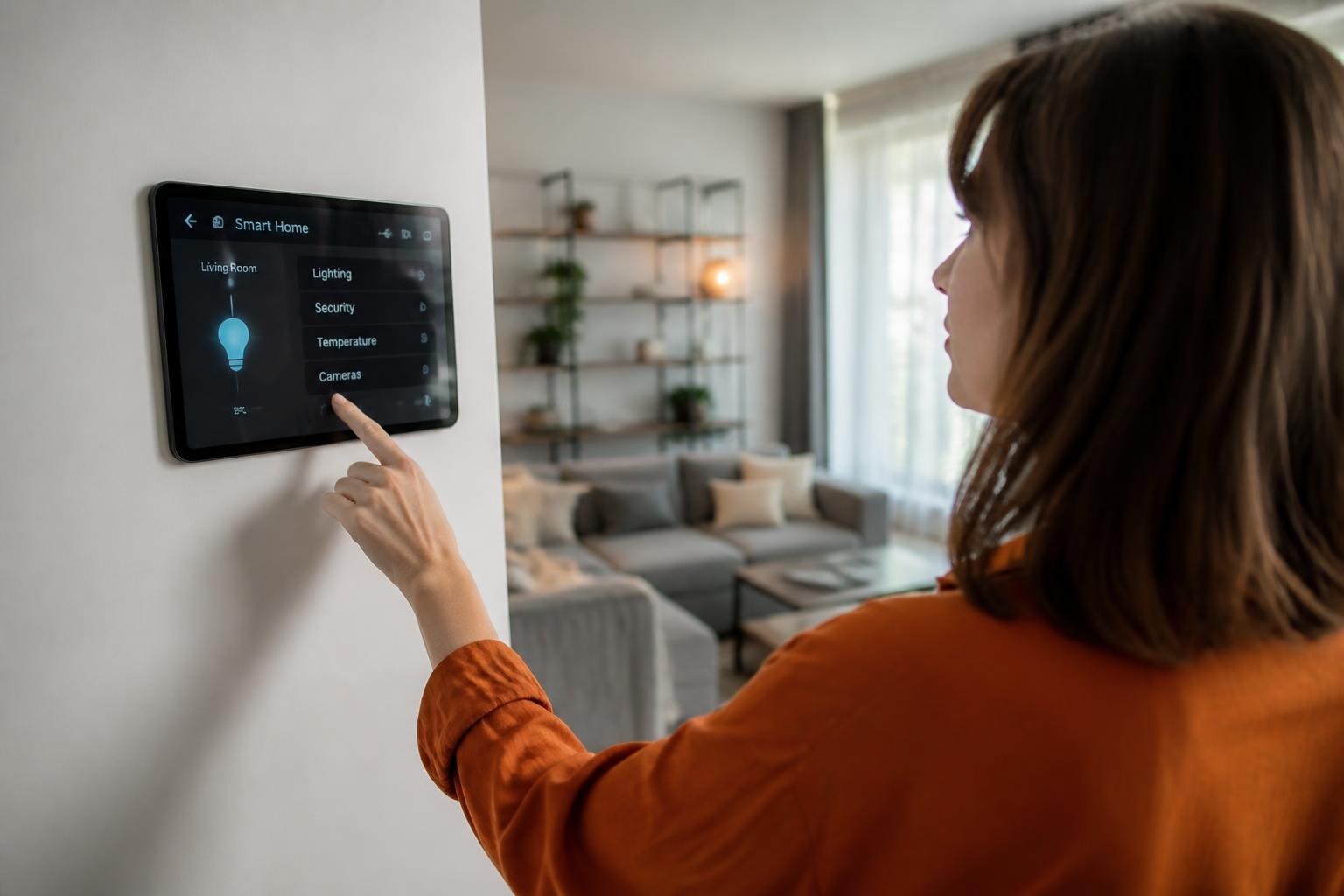
The evolution of automation, connectivity, and intelligence in smart homes demonstrates how these systems have matured. Modern platforms integrate multiple functions through unified interfaces, allowing homeowners to manage everything from a single application.
Key Components of Modern Smart Systems
Several fundamental elements work together when you evolve smart home capabilities:
Intelligent lighting systems that adjust based on natural light levels and occupancy
Advanced climate control with zone-based temperature management
Integrated security networks combining cameras, sensors, and access control
Energy monitoring systems that identify consumption patterns and optimize usage
Automated entertainment systems synchronized across multiple rooms
Each component contributes to a cohesive experience while maintaining individual functionality. The best implementations prioritize interoperability, ensuring devices from different manufacturers work together harmoniously.
Building Your Smart Home Foundation
Creating a robust foundation allows you to evolve smart home capabilities over time without starting from scratch. Professional electrical infrastructure planning ensures adequate power distribution, proper network cabling, and strategic device placement.
Infrastructure Requirements
System Type | Infrastructure Needs | Professional Consideration |
Smart Lighting | Dedicated circuits, compatible switches | Load calculations, dimming compatibility |
Security Systems | PoE network, backup power | Camera placement, coverage analysis |
Climate Control | Proper wiring, zone valves | HVAC integration, sensor locations |
Entertainment | High-bandwidth network, speaker wiring | Audio distribution, video requirements |
The physical infrastructure determines how effectively you can evolve smart technology throughout your property. Insufficient network capacity or inadequate power distribution creates bottlenecks that limit system performance.
Modern installations require careful consideration of future expansion. Adding extra network drops, conduit pathways, and power outlets during initial construction or renovation costs significantly less than retrofitting later.
Network Architecture
A reliable network forms the backbone of any smart home. When you evolve smart home systems, network demands increase exponentially. Professional network solutions provide the bandwidth and stability required for multiple simultaneous connections.
Wired connections offer superior reliability for stationary devices like entertainment systems and security cameras. Wireless coverage requires strategic access point placement to eliminate dead zones.
Segmenting your network separates smart home devices from personal computers and mobile devices, enhancing both performance and security. Guest networks prevent visitors from accessing your automation systems while still providing internet connectivity.
Security Integration Strategies
Security represents one of the most compelling reasons to evolve smart home technology. The transformation from basic protection to comprehensive awareness reflects how these systems have matured beyond simple intrusion detection.
Modern security ecosystems combine multiple technologies:
High-definition surveillance cameras with night vision and motion detection
Smart door locks enabling remote access and temporary codes
Window and door sensors that integrate with alarm systems
Motion detectors using advanced algorithms to reduce false alarms
Environmental sensors detecting smoke, carbon monoxide, and water leaks
Access Control Systems
Access control solutions provide granular management over who enters your property and when. These systems range from simple keypad entry to sophisticated biometric authentication.
Keyless entry eliminates concerns about lost keys or unauthorized copies. Temporary access codes allow contractors or guests limited entry without compromising long-term security. Integration with surveillance cameras automatically captures footage when doors are accessed.
Smart access control extends beyond entry doors. Automated gates, garage door openers, and interior room access all benefit from intelligent management. Scheduling features ensure certain areas remain secure during specific hours.
Automation and Convenience
The ability to evolve smart home automation creates environments that adapt to daily routines without manual intervention. Automation extends far beyond scheduled lighting, encompassing complex scenarios triggered by multiple conditions.
Morning routines might include gradually increasing bedroom lighting, adjusting thermostats, starting coffee makers, and displaying weather forecasts on smart displays. Evening scenarios could close motorized shades, activate security systems, and adjust lighting for relaxation.
Scene Programming
Smart scenes coordinate multiple devices simultaneously. A "movie night" scene might dim lights, lower shades, activate the entertainment system, and adjust climate control for optimal comfort. "Away mode" could randomize lighting patterns, adjust thermostats for efficiency, and activate enhanced security monitoring.
The sophistication available when you evolve smart automation allows for conditional logic. Systems recognize whether residents are home, adjust for seasonal changes, and respond to real-time conditions like weather forecasts.
Geofencing triggers actions based on smartphone location. Systems can prepare homes before arrival, adjusting temperatures and lighting based on expected return times. Departure triggers ensure lights turn off, thermostats adjust, and security systems activate.
Energy Management and Efficiency
Smart technology offers substantial opportunities to reduce energy consumption while maintaining comfort. When you evolve smart home energy management, systems identify waste, optimize operations, and provide detailed consumption analytics.
Real-time monitoring reveals which devices consume the most power and when usage peaks occur. This visibility enables informed decisions about appliance replacement, schedule adjustments, and behavioral changes.
Climate Control Optimization
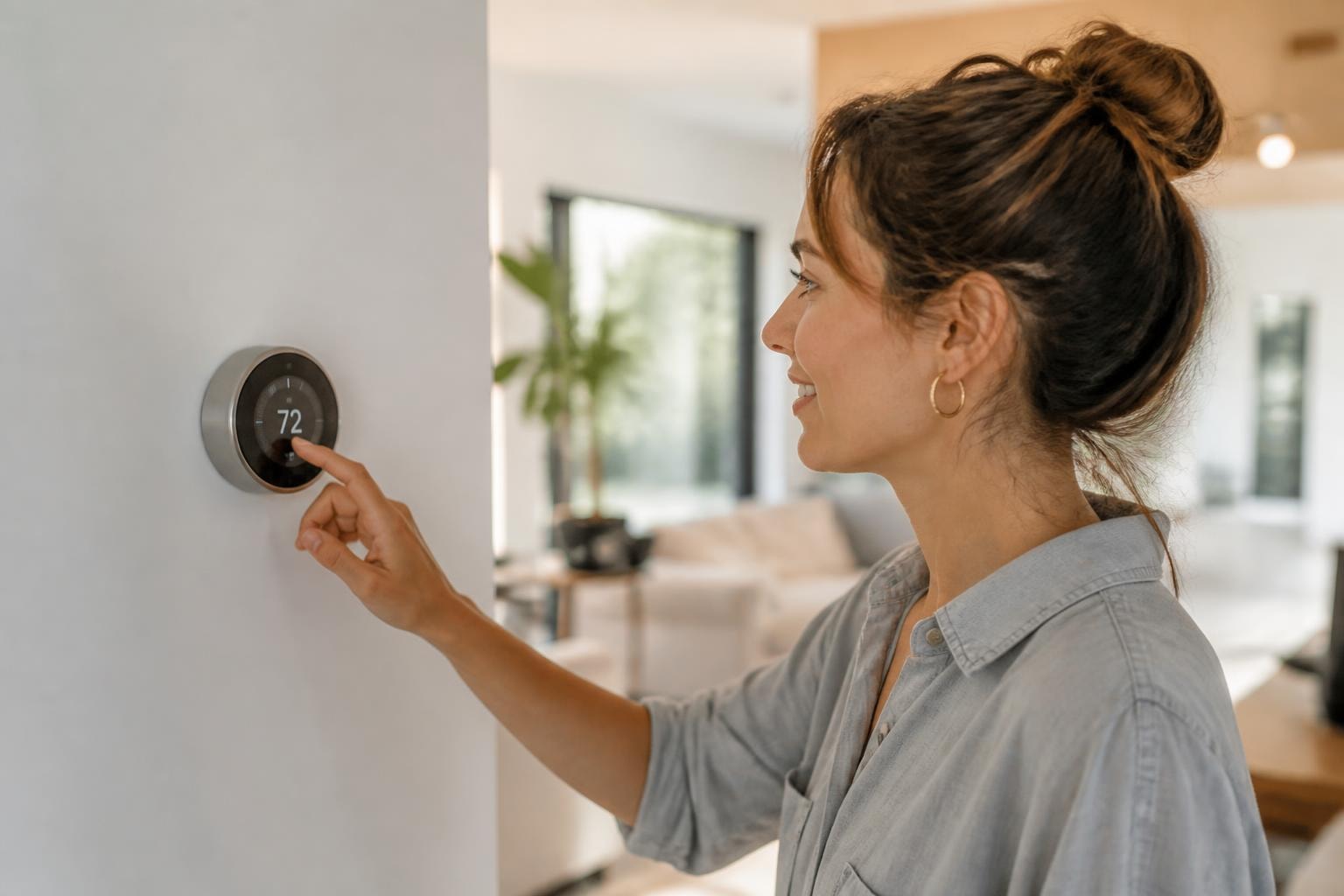
Heating and cooling represent the largest energy expenses for most households. Smart thermostats and climate systems learn preferences while maximizing efficiency.
Zone-based control allows different areas to maintain appropriate temperatures based on usage patterns. Unoccupied rooms receive minimal conditioning, while active spaces remain comfortable. Adaptive algorithms adjust based on weather forecasts, occupancy patterns, and time-of-day electricity rates.
Energy Feature | Typical Savings | Payback Period |
Smart Thermostats | 10-23% annually | 1-2 years |
LED Smart Lighting | 75% vs incandescent | 6-12 months |
Energy Monitoring | 8-15% annually | 2-3 years |
Automated Shades | 15-25% cooling costs | 3-5 years |
Integration with solar panels and battery storage systems maximizes renewable energy utilization. Smart systems prioritize using stored or generated power during peak rate periods, purchasing grid electricity only when necessary.
Entertainment and Audio-Visual Integration
The ability to evolve smart entertainment systems transforms how families enjoy media throughout their homes. Modern audio-visual installations deliver synchronized experiences across multiple zones while maintaining individual control.
Whole-home audio distributes music to designated areas with independent volume and source selection. Multi-room video systems allow content streaming to any display without duplicating equipment. Centralized media servers provide access to stored content library-wide.
Immersive Experience Design
Professional installations consider acoustics, viewing angles, and lighting integration when you evolve smart entertainment spaces. Speaker placement, acoustic treatments, and display positioning all affect enjoyment quality.
Smart lighting synchronizes with content, dimming for movies or creating ambiance for music. Automated shades eliminate glare on screens while preserving views during non-viewing times. Climate control maintains comfort during extended entertainment sessions.
Voice control enables hands-free operation, adjusting volume, changing sources, or pausing content through simple commands. Integration with streaming services provides direct access without navigating multiple menus or devices.
Professional Implementation Considerations
While some smart home components suit DIY installation, comprehensive systems benefit from professional expertise. When you evolve smart home capabilities, proper planning prevents costly mistakes and ensures reliable operation.
Professional electricians understand power requirements, code compliance, and safety considerations. Smart home specialists design systems that scale efficiently, integrate seamlessly, and perform reliably.
Planning Your Smart Home Journey
Starting with clear objectives helps prioritize investments and sequence installations:
Identify priorities: Security, convenience, energy efficiency, or entertainment
Assess infrastructure: Evaluate existing electrical and network capabilities
Set realistic budgets: Phase implementations to spread costs over time
Choose compatible ecosystems: Ensure devices work together effectively
Plan for expansion: Design systems that accommodate future additions
The emerging trends shaping smart home automation include increased AI integration, enhanced privacy features, and improved interoperability standards. Systems designed with these developments in mind remain relevant longer.
Maintenance and System Updates
Smart home systems require ongoing attention to maintain peak performance. Regular software updates address security vulnerabilities, add features, and improve reliability. When you evolve smart technology throughout your home, establishing maintenance routines prevents issues before they disrupt daily life.
Firmware updates for individual devices often include important security patches. Scheduling these during low-usage periods minimizes disruption. Automated update settings balance convenience against the need to verify compatibility.
Network equipment requires periodic reboots to clear memory and optimize performance. Battery-powered devices need monitoring to ensure backup power remains available. Professional maintenance programs provide systematic attention to all components.
Troubleshooting Common Issues
Most smart home problems stem from network connectivity, power issues, or configuration errors:
Verify network connectivity for unresponsive devices
Check power supplies and circuit breakers for dead equipment
Review automation rules when unexpected behaviors occur
Update device firmware to resolve compatibility problems
Reset devices to factory settings as a last resort
Maintaining detailed documentation about your system configuration, device locations, and network architecture simplifies troubleshooting. Professional installers typically provide system diagrams and configuration notes for reference.
Expanding Your Smart Ecosystem
The modular nature of modern systems makes it easy to evolve smart home capabilities incrementally. Starting with core functions like lighting and security establishes foundations for future additions.
Phased implementation spreads costs while allowing time to learn each system before adding complexity. Initial investments in robust infrastructure pay dividends as expansion continues.
Integration platforms unify control across diverse devices. Popular ecosystems include Apple HomeKit, Google Home, Amazon Alexa, and independent solutions like Home Assistant. Choosing platforms supporting open standards provides maximum flexibility.
The comprehensive automation services available through specialized providers demonstrate the breadth of possibilities. From basic convenience features to sophisticated integrated systems, options exist for every budget and requirement.
Future-Proofing Strategies
Technology evolves rapidly, but thoughtful planning extends system relevance:
Install infrastructure exceeding current needs
Choose devices supporting multiple protocols
Prefer systems with active development communities
Invest in quality components from established manufacturers
Design for modularity allowing component replacement
Open standards like Matter promise improved interoperability between manufacturers. Supporting these standards when you evolve smart home devices ensures broader compatibility as the ecosystem matures.
Real-World Applications
Practical implementations demonstrate how homeowners evolve smart technology to address specific needs. New construction provides opportunities to integrate systems from the foundation up, while renovations allow strategic upgrades to existing spaces.
Kitchen automation might include smart lighting that adjusts for food preparation versus dining, automated ventilation responding to cooking activities, and integrated entertainment for recipe viewing. Bathroom upgrades could feature heated floors with scheduled activation, smart mirrors displaying weather and news, and automatic exhaust fans responding to humidity.
Outdoor spaces benefit equally when you evolve smart home systems beyond interior walls. Landscape lighting creates ambiance while enhancing security. Irrigation systems adjust watering based on weather forecasts and soil moisture. Pool and spa equipment maintains proper chemistry and temperature automatically.
Home offices require reliable connectivity, appropriate lighting for video calls, and climate control supporting productivity. Smart systems ensure these environments remain optimized without constant manual adjustment.
The expertise available through professional electrical and automation teams helps translate vision into functional reality. Experienced installers understand how different technologies complement each other and which combinations deliver the best results for specific applications.
Modern living increasingly relies on intelligent systems that enhance comfort, security, and efficiency throughout residential spaces. The decision to evolve smart home technology represents an investment in quality of life, property value, and sustainable operation. Whether you're planning a complete automation overhaul or targeting specific improvements, professional guidance ensures systems meet your needs while maintaining flexibility for future expansion. Evolve Electrical specializes in designing and implementing comprehensive smart home solutions tailored to your unique requirements, from initial consultation through installation and ongoing support.
Comments