
Home Home Security: Modern Protection Strategies
Protecting your property has evolved significantly beyond traditional locks and deadbolts. Modern home home security encompasses an interconnected ecosystem of smart devices, electrical infrastructure, access control systems, and automated monitoring that work together to create comprehensive protection. As technology advances and cyber threats increase alongside physical security concerns, understanding how to implement effective security measures requires expertise in both electrical systems and intelligent automation. This guide explores the essential components of contemporary security solutions, common mistakes to avoid, and how proper electrical infrastructure supports advanced protection systems.
Understanding Modern Home Home Security Architecture
Today's security landscape demands a layered approach that integrates multiple protection systems. The foundation begins with robust electrical infrastructure capable of supporting power-hungry devices like cameras, sensors, automated gates, and access control panels. Without adequate electrical capacity and proper wiring, even the most sophisticated security equipment cannot function reliably.
Smart security systems now communicate through your home network, creating opportunities for remote monitoring and automated responses to threats. However, this connectivity also introduces vulnerabilities that require careful planning and configuration. Home security statistics reveal that properties with visible security systems experience significantly lower break-in rates, making deterrence a key component of any protection strategy.
Critical Electrical Components for Security Systems
Professional electrical installations ensure your home home security devices receive clean, consistent power. Surge protection becomes essential when protecting expensive cameras, control panels, and networking equipment from voltage spikes. Dedicated circuits for security systems prevent overloading and ensure these critical devices remain operational even when other household circuits experience issues.
Battery backup systems provide continuity during power outages, maintaining surveillance and access control when your property might be most vulnerable. Proper grounding and cable management protect sensitive electronics while preventing electromagnetic interference that could disrupt wireless signals. These electrical considerations directly impact system reliability and longevity.
Strategic Placement and Coverage Planning
Camera positioning determines whether your surveillance system provides comprehensive coverage or leaves critical blind spots. Optimal camera placement strategies emphasize covering entry points, vulnerable windows, and high-value areas while avoiding positions that create privacy concerns or capture excessive glare.
Many homeowners make the mistake of installing cameras too high or at incorrect angles, rendering footage less useful for identification purposes. Professional installers understand sight lines, lighting conditions, and field of view calculations that maximize each camera's effectiveness. Working with experts in smart home electrical installation ensures cameras receive proper power, network connectivity, and weatherproofing.
Common Coverage Mistakes
Focusing exclusively on front entrances while neglecting side and rear access points
Installing motion sensors in areas with high false-alarm triggers like near heating vents
Placing cameras where landscaping or architectural features create obstructions
Ignoring garage doors and basement windows that provide easy access
Failing to protect outdoor equipment from weather exposure and tampering
Strategic lighting integration enhances camera performance during nighttime hours. Motion-activated lights serve dual purposes by improving video quality and deterring potential intruders through sudden illumination. Coordination between electrical systems and security devices creates a responsive environment that adapts to detected threats.
Access Control and Perimeter Security
Modern access control extends beyond traditional key-based locks to include smart locks, biometric readers, intercoms, and integrated gate automation. These systems provide detailed logs of entry and exit events, enable remote access management, and eliminate vulnerabilities associated with physical keys. Access control solutions integrate seamlessly with broader home automation platforms for centralized management.
Automated gates represent a significant security investment that requires professional electrical installation. Gate operators demand substantial power, safety sensors to prevent accidents, and backup systems to ensure functionality during emergencies. Proper installation includes fail-safe mechanisms that prevent entrapment and allow manual operation when necessary.
Access Control Method | Security Level | Convenience | Power Requirements |
Traditional Keys | Low-Medium | High | None |
PIN Keypads | Medium | High | Low |
Smart Locks | Medium-High | Very High | Low-Medium |
Biometric Readers | High | Medium | Medium |
Multi-Factor Systems | Very High | Medium | Medium-High |
Perimeter security begins at property boundaries with fencing, gates, and exterior lighting that establish clear boundaries while providing early detection of approach. Integration with interior systems creates defense in depth, where multiple security layers must be bypassed before reaching valuable assets or living spaces.
Network Security and Cyber Protection
As home home security systems increasingly rely on internet connectivity, protecting against cyber threats becomes as critical as preventing physical intrusions. Cybersecurity vulnerabilities in smart homes expose not only security systems but also personal data, privacy, and control over home automation functions.
Segregating security devices onto dedicated network segments prevents compromised smart appliances from accessing surveillance footage or disarming protection systems. Regular firmware updates patch known vulnerabilities, while strong authentication prevents unauthorized access to control interfaces. Professional network upgrades establish robust infrastructure that supports security requirements.
Essential Cyber Protection Measures
Authentication strengthening: Replace default passwords with complex credentials unique to each device. Enable two-factor authentication wherever available to add an extra verification layer. Avoid using personal information in passwords that could be guessed through social engineering.
Network segmentation: Create separate wireless networks for security devices, general internet access, and guest usage. This isolation prevents lateral movement if one network segment becomes compromised. VLANs provide additional separation for wired devices.
Encryption enforcement: Ensure all devices use current encryption standards for data transmission. Disable outdated protocols that expose communications to interception. Verify that cloud storage for video footage employs end-to-end encryption.
Regular monitoring: Review access logs for unusual activity patterns. Set up alerts for failed login attempts or configuration changes. Maintain an inventory of all connected devices to identify unauthorized additions.
Integration with Smart Home Ecosystems
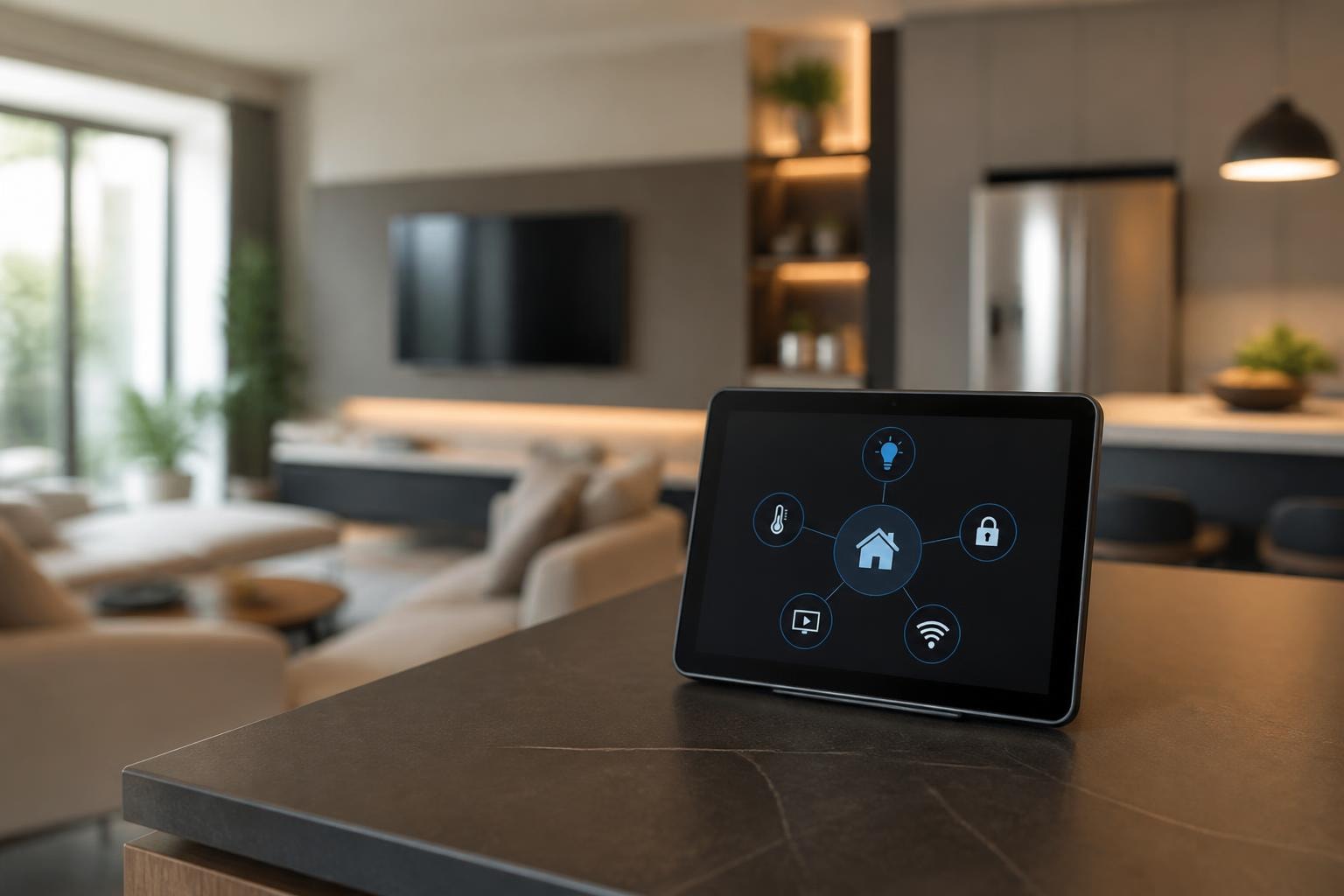
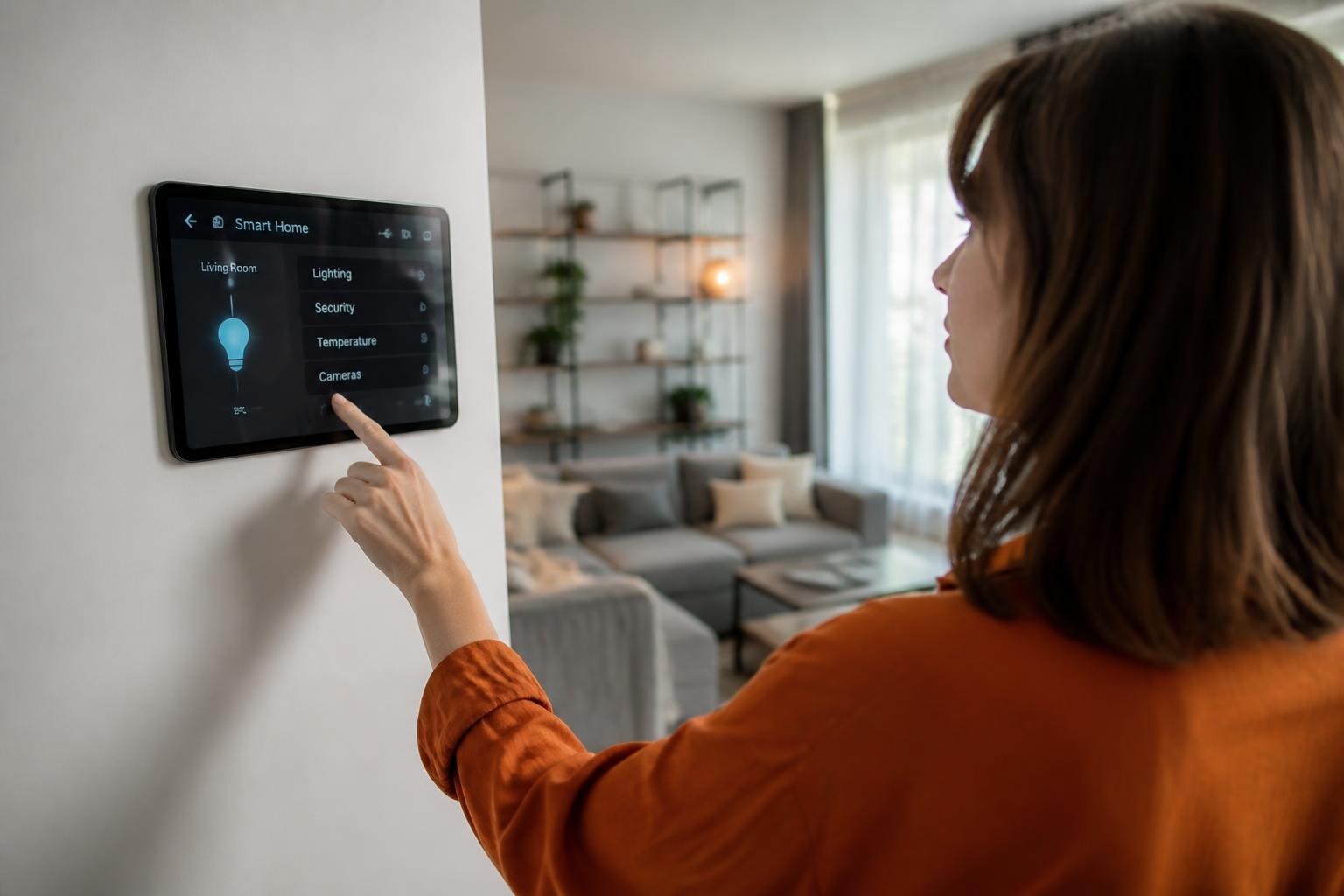
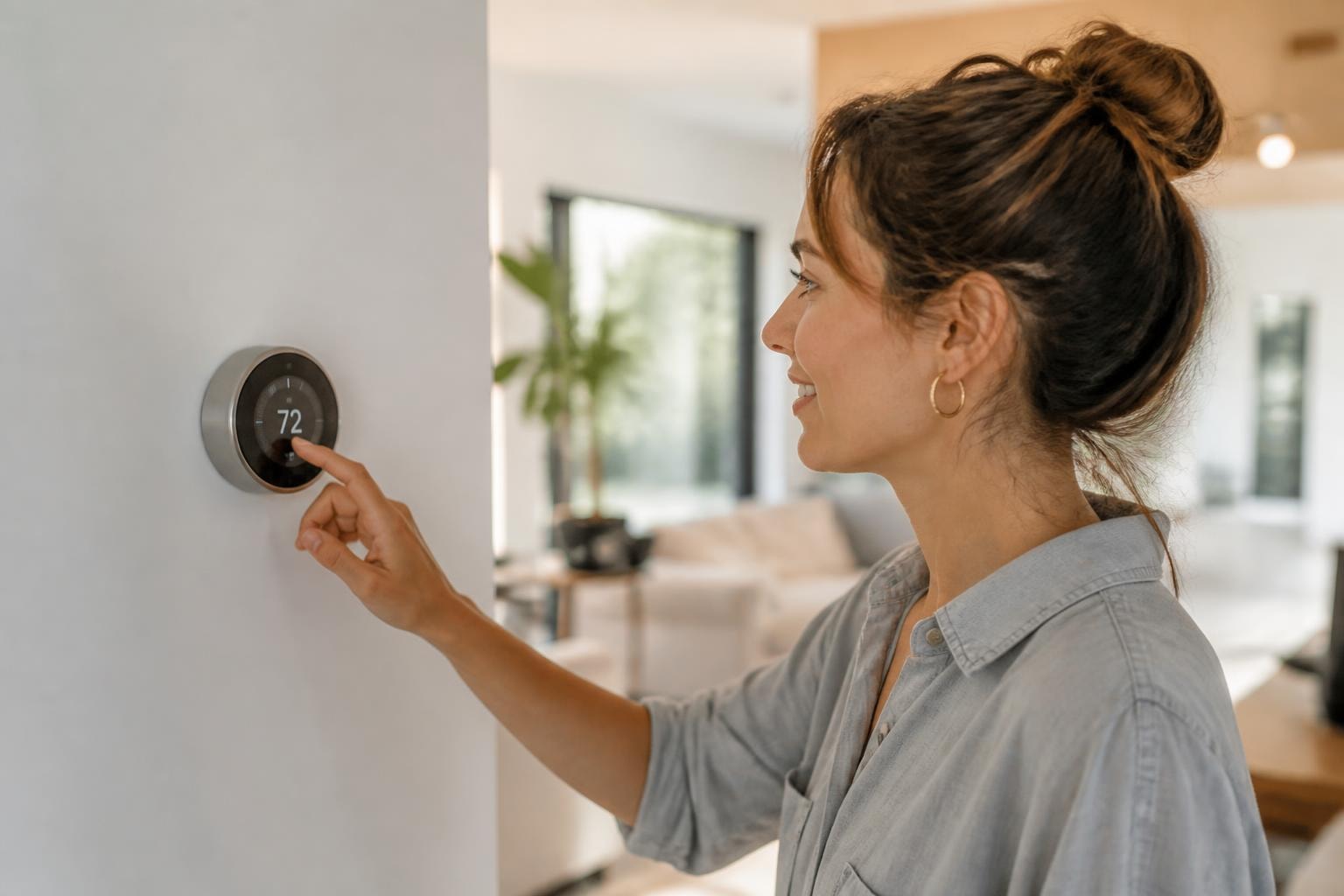
Comprehensive home home security benefits significantly from integration with broader automation systems. When smoke detectors, water sensors, climate controls, and lighting systems communicate with security platforms, homes become more responsive to various threats. Automated responses can unlock doors during fire emergencies, shut off water supplies when leaks are detected, or simulate occupancy patterns during vacations.
The future of smart homes points toward artificial intelligence that learns household patterns and identifies anomalies requiring attention. Machine learning algorithms reduce false alarms by distinguishing between normal activity and genuine threats. Voice control integration allows hands-free system management while providing verbal alerts during emergencies.
Electrical infrastructure supporting these integrated systems must accommodate substantial data transmission requirements. Smart electricians understand how to install structured cabling, ensure adequate network capacity, and create backup power systems that maintain functionality during outages.
DIY Versus Professional Installation Considerations
DIY security systems offer cost savings and flexibility for technically capable homeowners willing to invest time in research and installation. These systems excel in rental properties or situations requiring temporary solutions. However, they place full responsibility for planning, installation, troubleshooting, and maintenance on the homeowner.
Professional installations provide expertise in system design, optimal component placement, electrical code compliance, and integration complexity. Licensed electricians ensure that power supplies meet safety standards, wiring complies with local regulations, and installations include proper permits. The peace of mind from professional work often justifies the additional investment, particularly for comprehensive whole-home systems.
When to Choose Professional Installation
Complex electrical requirements: Systems requiring new circuits, panel upgrades, or high-voltage gate operators
Integration needs: Connecting security with existing automation, audio-visual systems, or access control
Warranty protection: Many manufacturers require professional installation to honor equipment warranties
Code compliance: Ensuring installations meet local electrical and building codes
Long-term reliability: Professional workmanship reduces maintenance issues and system failures
Budget considerations extend beyond initial equipment costs to include ongoing monitoring fees, maintenance requirements, and upgrade paths. Quality installations using commercial-grade components typically provide better long-term value than frequent replacements of consumer equipment.
Audio-Visual Integration for Enhanced Security
Modern security systems increasingly incorporate audio and visual communication capabilities beyond simple surveillance. Video doorbells allow residents to screen visitors remotely, while intercom systems enable communication with delivery personnel or guests without opening doors. Audio-visual installations extend security functionality through integration with whole-home entertainment systems.
Two-way audio capabilities deter package theft by allowing homeowners to address suspicious individuals in real-time. Integration with indoor displays shows doorbell cameras on televisions or wall-mounted screens throughout the home. These convenience features enhance security effectiveness while improving daily usability.
Professional audio-visual integration ensures proper speaker placement for clear communication, adequate power for video displays, and network capacity for high-definition streaming. Coordinating these systems with lighting automation creates comprehensive scenes that respond to doorbell activity or detected motion.
Avoiding Critical Security Mistakes
Even well-intentioned security efforts can fail due to common oversights. Home security mistakes often involve inadequate planning, poor maintenance, or misunderstanding how systems function under real-world conditions. Learning from these errors prevents vulnerabilities that undermine protection investments.
Neglecting backup power: Security systems become useless during power outages without battery backup or generator support. Invest in uninterruptible power supplies for critical components and consider whole-house backup solutions for comprehensive protection.
Inconsistent maintenance: Cameras obscured by spider webs, dead batteries in sensors, or outdated firmware create false confidence. Establish regular maintenance schedules including cleaning, testing, and updating all components.
Poor documentation: Failing to record system configurations, access codes, or installation details complicates troubleshooting and prevents effective emergency response. Maintain detailed records in secure locations.
Ignoring insider threats: Home home security often focuses on external threats while overlooking vulnerabilities from guests, contractors, or former residents with system knowledge. Regularly update access codes and review user permissions.
Selecting Appropriate System Components
Choosing the right home security system depends on property characteristics, budget constraints, and specific security concerns. Single-story homes have different requirements than multi-level properties. Rural locations face distinct challenges compared to urban environments with close neighbors.
Wired systems offer reliability and consistent performance but require extensive installation work best completed during construction or major renovations. Wireless systems provide installation flexibility and easier expansion but depend on battery maintenance and wireless signal strength. Hybrid approaches combine both technologies to optimize performance and reliability.
System Type | Best For | Installation Complexity | Ongoing Maintenance |
Hardwired | New construction, renovations | High | Low |
Wireless | Existing homes, rentals | Low | Medium |
Hybrid | Comprehensive coverage | Medium | Medium |
Smart Integrated | Tech-savvy homeowners | Medium-High | Medium-High |
Component quality directly impacts long-term performance and total cost of ownership. Commercial-grade cameras withstand weather extremes better than consumer models. Professional-grade control panels offer superior reliability and expandability compared to basic residential units.
Power Protection and Electrical Upgrades
Sensitive security electronics require clean, stable power to function reliably. Voltage fluctuations, surges, and electrical noise can damage components or cause erratic behavior. Whole house surge protection safeguards entire systems from utility grid anomalies and lightning strikes.
Older homes may require electrical panel upgrades to support modern security system power demands. Inadequate panel capacity limits the number of devices you can install safely. Upgrading to higher amperage service ensures sufficient capacity for current needs plus future expansion.
Dedicated circuits for security equipment prevent interference from other household devices and ensure critical systems remain operational during peak electrical usage. Ground fault circuit interrupters protect outdoor equipment from moisture-related hazards. Arc fault circuit interrupters prevent fire hazards in areas with security system wiring.
Safeguarding Valuables and Important Documents
Physical security extends beyond preventing intrusions to protecting valuables from theft, fire, and environmental damage once intruders breach perimeters. Home safes provide essential protection for irreplaceable documents, jewelry, and emergency cash reserves.
Consider safe placement carefully to balance accessibility with concealment. Bolting safes to floor joists or concrete foundations prevents removal during burglaries. Fire-rated models protect paper documents and digital media from heat damage during residential fires. Water-resistant seals guard against flood damage and firefighting efforts.
Items warranting safe storage include:
Birth certificates, passports, and social security cards
Property deeds, vehicle titles, and legal documents
Backup drives containing family photos and important files
Jewelry, collectibles, and precious metals
Emergency cash and backup credit cards
Monitoring and Response Protocols
Effective home home security requires not just detection but appropriate response to alerts. Professional monitoring services provide 24/7 surveillance with trained operators who contact emergency services when necessary. Self-monitoring through smartphone applications places response responsibilities on homeowners who must be available and ready to act.
Establishing clear protocols for different alert types prevents confusion during emergencies. Determine who receives notifications, what actions they should take, and how to verify false alarms before dispatching authorities. Coordinate with neighbors or trusted contacts who can respond when you're unavailable.
Test response protocols regularly to ensure systems function correctly and all parties understand their roles. Practice includes verifying notification delivery, testing communication with monitoring services, and confirming emergency contact information remains current. Regular drills identify weaknesses before real emergencies occur.
Lighting Strategies for Security Enhancement
Proper illumination eliminates hiding spots, improves camera performance, and creates psychological deterrence against criminal activity. Security lighting recommendations emphasize motion-activated fixtures that surprise intruders while conserving energy during normal conditions.
Layered lighting approaches combine ambient illumination for general visibility with focused spotlights on entry points and vulnerable areas. Timer-based systems simulate occupancy during vacations by varying activation patterns. Smart lighting integration allows remote control and automated responses to security events.
Professional electrical installations ensure adequate power capacity, weatherproof connections, and proper fixture placement that maximizes coverage without creating glare that blinds cameras. LED technology provides bright illumination with minimal power consumption and exceptional longevity.
Modern home home security represents a sophisticated integration of electrical infrastructure, smart technology, and strategic planning that protects both physical assets and personal safety. The complexity of these systems demands professional expertise in electrical installation, network configuration, and system integration to achieve reliable, comprehensive protection.
Whether you're building new construction, renovating an existing property, or upgrading outdated security measures, Evolve Electrical provides the specialized knowledge and technical skills necessary to design and implement advanced security solutions. Our team combines electrical expertise with smart home automation proficiency to create integrated systems that adapt to your specific requirements while providing room for future expansion and technological advancement.
Comments