
Emergency Electrical Service: When to Call for Help
Electrical emergencies don't follow a schedule. They strike at the most inconvenient moments, often when you're settling in for the evening or hosting important guests. Knowing when to call for professional help and understanding how emergency electrical service works can mean the difference between a minor inconvenience and a catastrophic situation. From sparking outlets to complete power failures, electrical emergencies demand immediate attention from qualified professionals who understand both the technical complexities and safety protocols required to restore your home's electrical system safely.
Recognizing True Electrical Emergencies
Not every electrical issue requires an immediate call to an emergency electrician, but certain situations demand urgent professional intervention. Understanding the difference protects both your property and your family.
Critical Warning Signs
Sparks or flames from outlets, switches, or electrical panels indicate serious problems that require immediate attention. If you see visible fire or continuous sparking, evacuate the area and contact emergency services before calling an electrician.
Burning smells near electrical fixtures, outlets, or your main panel suggest overheating wires or components. This odor often resembles burning plastic and should never be ignored, even if you don't see visible flames.
Electrical shocks when touching appliances, switches, or any electrical component indicate dangerous grounding issues. These shocks can range from minor tingles to severe jolts that cause injury.
Buzzing or humming sounds from outlets or switches
Flickering lights throughout multiple rooms
Warm or discolored outlet covers
Circuit breakers that trip repeatedly
Complete loss of power in your home
Power Outage Assessment
When your home loses power, determining whether it's an emergency requires quick assessment. Check if neighboring properties have power. If only your home is affected, inspect your main electrical panel for tripped breakers or damaged components.
According to emergency electrical safety standards, any situation involving exposed wires, water contact with electrical systems, or suspected fire hazards qualifies as an immediate emergency requiring professional intervention.
Safety Protocols During Electrical Emergencies
Your safety and that of your family takes absolute priority during any electrical emergency. Following proper protocols minimizes risk while you wait for professional help.
Immediate Actions to Take
Disconnect power at the main breaker if you can safely reach your electrical panel without encountering water, smoke, or flames. This single action eliminates most immediate electrical hazards.
Evacuate if necessary when you smell smoke, see flames, or suspect fire within your walls. Call emergency services first, then contact an emergency electrical service provider once everyone is safe.
Avoid water contact with any electrical components during emergencies. Water conducts electricity efficiently, creating severe shock hazards. This becomes especially critical during floods or plumbing failures near electrical systems.
Emergency Type | Immediate Action | When to Call |
Sparking outlet | Turn off breaker, evacuate area | Immediately |
Burning smell | Locate source, cut power if safe | Within 15 minutes |
Complete outage | Check main panel, assess neighbors | Within 30 minutes |
Electric shock | Remove victim from source (safely), provide first aid | Call emergency services immediately |
Water + electricity | Cut main power, evacuate | Immediately |
Understanding proper electrical safety procedures helps homeowners make informed decisions during high-stress emergency situations.
What Not to Do
Never attempt repairs yourself during an electrical emergency. Even seemingly simple fixes can expose you to lethal voltage levels or create fire hazards that endanger your entire property.
Don't use water to extinguish electrical fires. Use a Class C fire extinguisher specifically rated for electrical fires, or evacuate and call emergency services.
How Emergency Electrical Service Works
Professional emergency electrical service operates differently from standard electrical work, with specialized protocols designed for rapid response and safety-focused solutions.
24/7 Availability and Response
Qualified electricians offering emergency services maintain 24/7 operations with on-call teams ready to respond within hours. Response times vary based on your location, severity of the emergency, and current demand, but most services aim for arrival within two hours.
During the initial call, emergency dispatchers assess your situation to determine priority level and dispatch appropriate resources. They'll ask specific questions about symptoms, safety concerns, and whether you've already secured the area.
Service assessment begins immediately upon arrival. The electrician evaluates visible damage, tests systems using specialized equipment, and identifies the root cause of your emergency.
Initial safety inspection and hazard containment
Diagnostic testing to identify fault locations
Temporary repairs to restore essential power
Comprehensive damage assessment
Detailed repair plan for permanent solutions
Emergency Service Costs and Coverage
Emergency electrical service typically costs more than standard work due to after-hours availability, rapid response requirements, and immediate resource allocation. Expect premium rates during nights, weekends, and holidays.
Most reputable providers, including specialists in smart home electrical installation, offer transparent pricing before beginning work. They'll explain the emergency service fee, hourly rates, and estimated costs for necessary repairs.
Insurance coverage for electrical emergencies varies by policy and cause. Fire damage, lightning strikes, and storm-related electrical failures often receive coverage, while maintenance-related failures may not. Document everything with photos and detailed notes for insurance claims.
Common Emergency Electrical Situations
Certain electrical emergencies occur more frequently than others, and understanding these common scenarios helps homeowners prepare and respond appropriately.
Panel and Breaker Failures
Electrical panels represent the heart of your home's electrical system. When main breakers fail, circuit boards overheat, or bus bars corrode, you lose control over your electrical distribution system.
Electrical panel installation issues often surface during high-demand periods when outdated panels cannot handle modern electrical loads. Panels older than 25 years face increased failure risks.
Signs of panel emergencies include:
Visible scorching or melting on the panel cover
Breakers that won't reset or feel hot to touch
Unusual sounds like crackling or popping
Smoke or burning plastic odors from the panel area
Storm and Weather Damage
Lightning strikes, falling trees, and severe weather create numerous electrical emergencies. Even indirect lightning strikes can surge through power lines, overwhelming protective systems and damaging sensitive electronics.
When storms damage your electrical system, professional assessment becomes essential before restoring power. Hidden damage to wiring, grounding systems, or protective devices can create serious hazards that aren't immediately obvious.
Power surges from weather events underscore the importance of whole house surge protector installation as preventive protection against future emergencies.
Smart Home System Failures
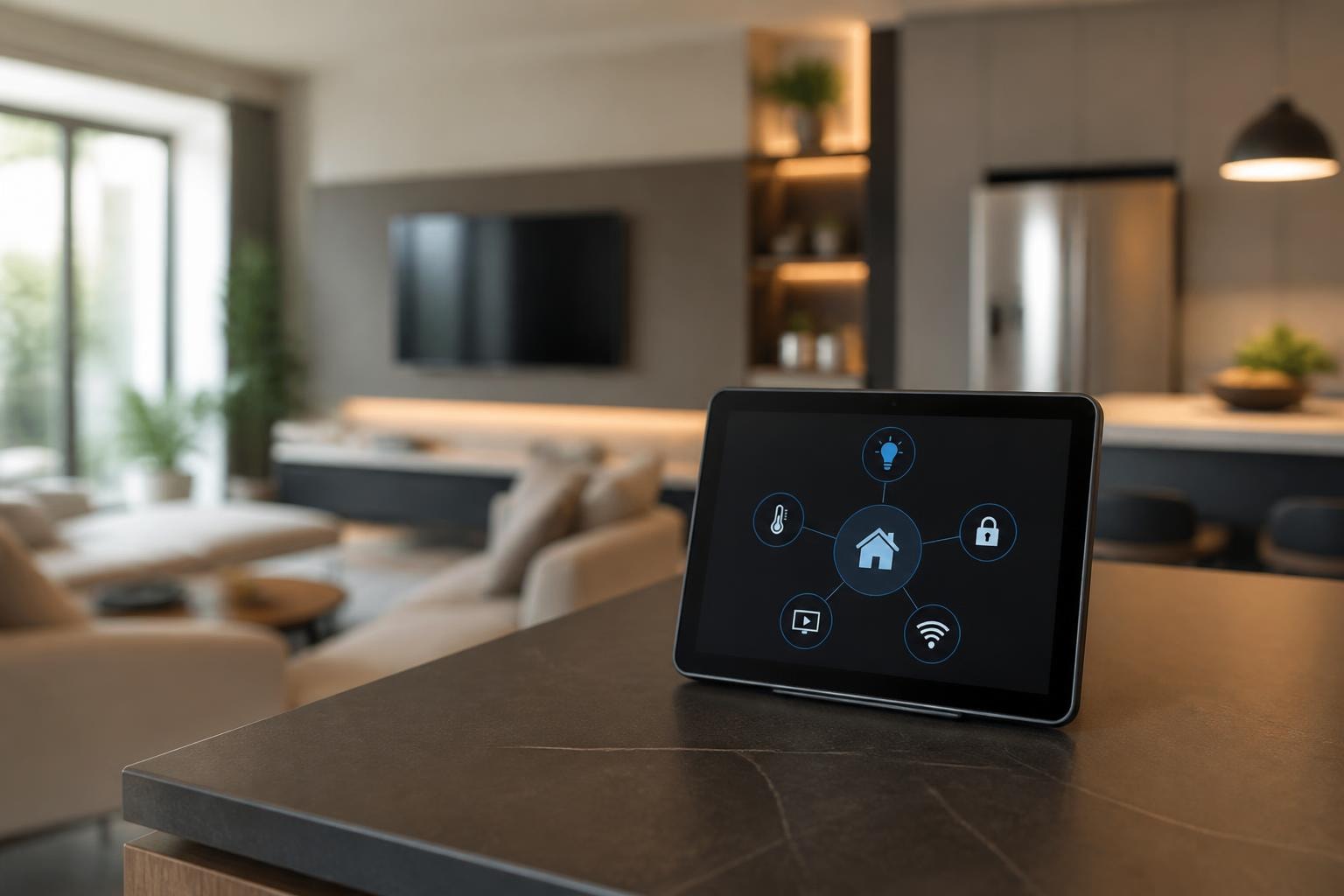
Modern homes increasingly rely on integrated smart home systems for lighting, security, climate control, and entertainment. When these systems experience electrical failures, the impact extends beyond simple inconvenience.
Emergency electrical service for smart homes requires specialized knowledge of low-voltage systems, network infrastructure, and automation protocols. Not all emergency electricians possess expertise in smart home automation systems.
Critical smart home emergencies include access control failures that lock residents out, automated gate malfunctions creating security vulnerabilities, or network system failures that disable security cameras and alarms.
Preventing Electrical Emergencies
While some electrical emergencies prove unavoidable, proactive maintenance and smart upgrades significantly reduce emergency risk.
Regular Maintenance and Inspections
Professional electrical inspections identify potential problems before they become emergencies. Schedule comprehensive inspections every three to five years, or more frequently for older homes.
Electrical testing reveals hidden issues like deteriorating insulation, loose connections, inadequate grounding, and overloaded circuits. These inspections typically include thermal imaging to identify hot spots indicating dangerous conditions.
Maintain detailed records of all electrical work, inspections, and repairs. This documentation helps emergency electricians quickly understand your system's history and identify recurring problems.
System Upgrades and Modernization
Older electrical systems cannot safely handle modern electrical demands. Homes built before 1990 often require significant upgrades to support contemporary appliances, electronics, and smart home technologies.
Key upgrade considerations:
Replace outdated electrical panels with modern load centers
Upgrade from fuse boxes to circuit breaker panels
Install GFCI outlets in wet areas (kitchens, bathrooms, outdoors)
Add AFCI protection to bedrooms and living areas
Increase service capacity from 100 to 200 amps
Understanding three phase electric power requirements becomes important for homes with substantial power needs from workshops, EV chargers, or commercial-grade equipment.
Compliance and Safety Standards
Modern electrical codes exist to prevent emergencies through mandatory safety features. Compliance with NFPA 70 electrical installation safety standards protects both property and occupants.
Emergency lighting requirements deserve particular attention, especially in multi-level homes or properties with complex layouts. Properly maintained emergency lighting systems provide safe egress during power failures, reducing injury risk during evacuations.
Safety Feature | Purpose | Inspection Frequency |
GFCI outlets | Shock prevention in wet areas | Monthly (test button) |
AFCI breakers | Arc fault fire prevention | Annual (professional) |
Surge protection | Equipment protection from voltage spikes | Annual (professional) |
Grounding systems | Fault current management | Every 3-5 years |
Emergency lighting | Safe evacuation during outages | Monthly (test), Annual (professional) |
Working with Emergency Electrical Professionals
Choosing the right emergency electrical service provider before you need them streamlines response during actual emergencies.
Credentials and Qualifications
Verify that emergency electricians hold current licenses, maintain proper insurance coverage, and demonstrate expertise in both residential and smart home systems. Licensed electricians undergo extensive training and must pass rigorous examinations demonstrating electrical theory knowledge and practical skills.
Best practices for 24/7 electrician operations emphasize ongoing training, safety protocol adherence, and investment in diagnostic equipment that enables accurate problem identification.
Ask potential providers about their experience with your specific electrical system type, whether traditional residential wiring or integrated smart home systems requiring network solutions expertise.
Communication and Expectations
Quality emergency electrical service includes clear communication throughout the process. Electricians should explain the problem in understandable terms, outline repair options with associated costs, and provide realistic timeframes for resolution.
Request detailed documentation including service reports, parts replaced, warranty information, and recommendations for preventing future emergencies. This documentation proves valuable for insurance claims and future service calls.
Establish expectations regarding follow-up visits. Many emergencies require temporary repairs to restore essential function, followed by scheduled permanent repairs during normal business hours. Understanding this two-stage approach prevents confusion and disappointment.
Building Long-Term Relationships
Developing an ongoing relationship with a trusted electrical service provider offers significant advantages. Electricians familiar with your home's system respond more efficiently during emergencies, understanding your electrical infrastructure without extensive diagnosis time.
Companies like Evolve Electrical that offer comprehensive services from routine maintenance to advanced electrical services provide continuity across all your electrical needs. This relationship simplifies emergency response while ensuring consistent quality across all electrical work.
Regular service relationships often include priority scheduling during emergencies, discounted rates for ongoing customers, and proactive maintenance reminders that prevent emergencies from occurring.
Electrical emergencies require immediate professional intervention, but understanding warning signs, safety protocols, and prevention strategies empowers homeowners to protect their property and family. Whether you're facing a current electrical emergency or want to prevent future problems through system upgrades and regular maintenance, working with experienced professionals ensures safe, compliant solutions. Evolve Electrical provides comprehensive emergency electrical service alongside smart home automation, electrical installations, and preventive maintenance to keep your home safe and functional around the clock.


Comments