
Residential Electrician: Your Essential Home Electrical Guide
The modern home depends on reliable electrical infrastructure more than ever before. From powering essential appliances to enabling sophisticated smart home systems, electrical work forms the foundation of comfortable living. A residential electrician specializes in installing, maintaining, and repairing electrical systems within homes, ensuring safety while adapting to evolving technology needs. Understanding what these professionals do and how to work with them effectively can save homeowners significant time, money, and potential hazards.
Understanding the Residential Electrician Profession
A residential electrician focuses exclusively on electrical systems within single-family homes, townhouses, and smaller residential buildings. These professionals undergo extensive training to master the complexities of household wiring, circuit design, and safety protocols.
The path to becoming a qualified electrician typically involves several years of apprenticeship combined with classroom instruction. According to Broward College's residential electrician program, entry-level positions require foundational knowledge of electrical theory, safety practices, and hands-on experience with residential installations.
Licensing and Certification Requirements
Professional credentials distinguish qualified electricians from unlicensed workers. Most jurisdictions require electricians to:
Complete apprenticeship hours (typically 4,000 to 8,000 hours)
Pass comprehensive examinations covering electrical theory and code compliance
Maintain continuing education to stay current with evolving standards
Carry appropriate insurance and bonding
The National Electrical Code establishes the baseline standards that all residential electricians must follow, updated every three years to address new technologies and safety concerns.
Core Services Provided by Residential Electricians
Understanding the range of services helps homeowners identify when professional expertise becomes necessary. These specialists handle everything from basic repairs to complex installations.
New Construction and Renovation Work
For new builds, residential electricians design and install complete electrical systems from the ground up. This includes:
Planning circuit layouts to meet current and future power demands
Installing service panels and distribution systems
Running wiring through walls, floors, and ceilings before final construction
Coordinating with builders to ensure code compliance
Renovation projects present unique challenges. Upgrading older homes often reveals outdated wiring, insufficient capacity, or safety hazards requiring immediate attention. Rewiring a house involves replacing obsolete systems with modern infrastructure that supports contemporary electrical loads.
Electrical Panel Upgrades and Service Enhancements
As homes incorporate more technology, original electrical panels frequently become inadequate. A residential electrician evaluates current capacity and recommends upgrades when necessary.
Service Type | Typical Amperage | Common Applications |
Basic Service | 100-150 amps | Older homes, minimal tech |
Standard Upgrade | 200 amps | Modern appliances, some smart devices |
Enhanced Service | 300-400 amps | Electric vehicles, comprehensive automation |
Modern panels also incorporate safety features like arc-fault and ground-fault circuit interrupters, protecting against electrical fires and shock hazards. Learning more about electrical panel installation helps homeowners understand upgrade options.
Smart Home Integration
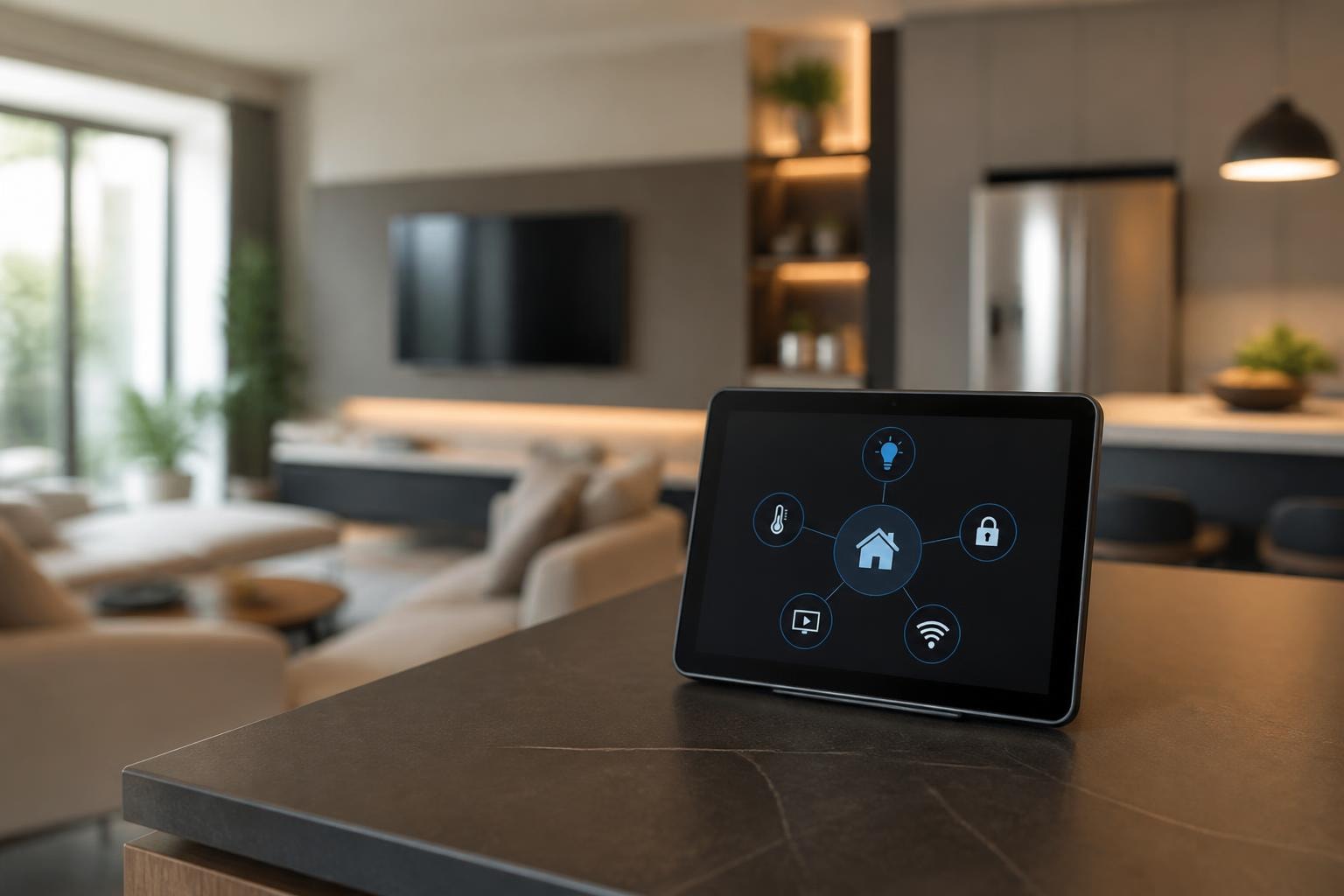
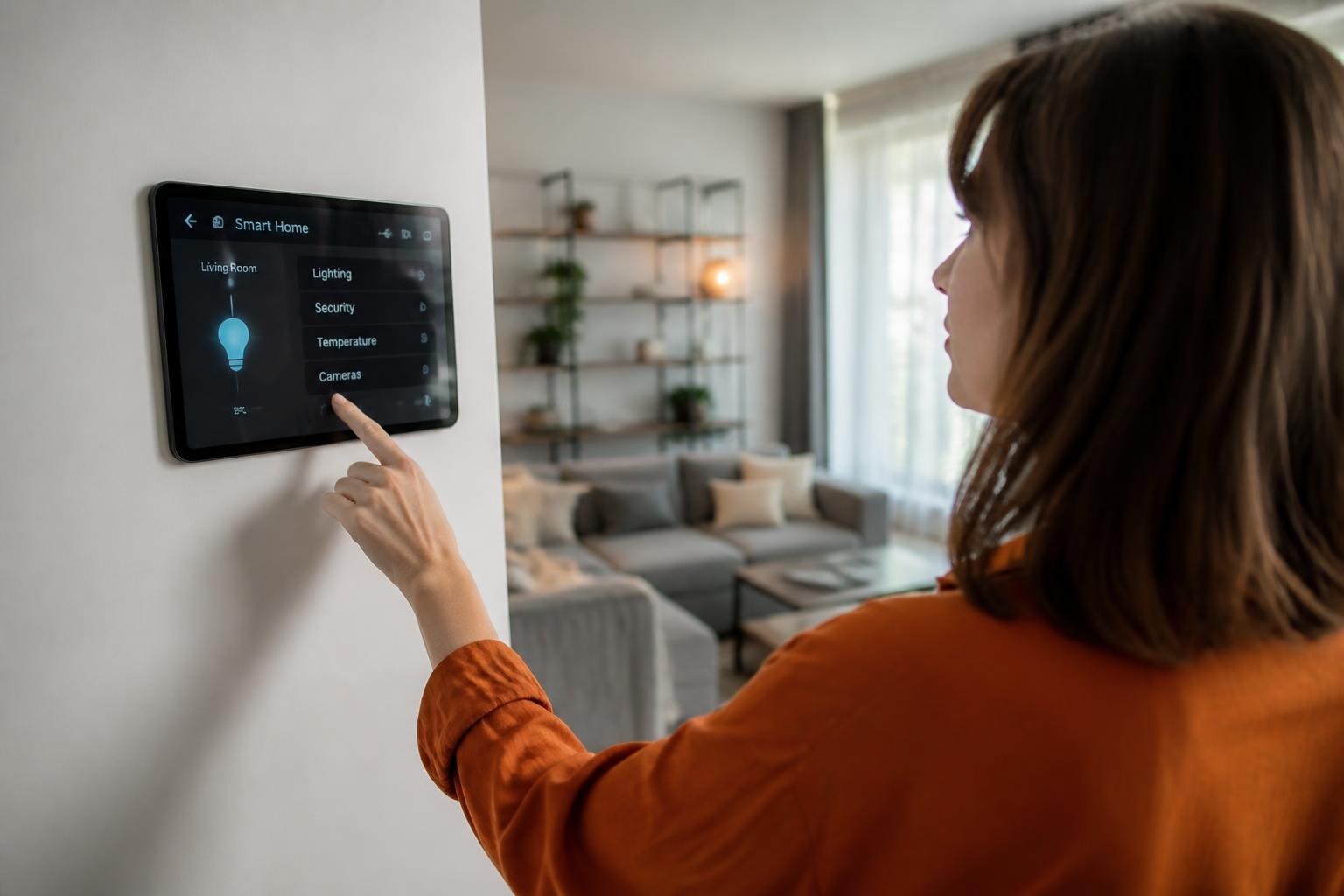
The convergence of electrical work and technology defines residential services in 2026. Today's residential electrician must understand both traditional wiring and digital systems integration.
Smart home installations require specialized knowledge beyond basic electrical work:
Network Infrastructure: Installing robust wiring to support wireless access points and hardwired devices
Control Systems: Integrating lighting, climate, and security controls into unified platforms
Power Management: Ensuring adequate capacity for always-on devices and charging systems
Automation Protocols: Understanding communication standards between smart devices
Professional smart home electrical installation ensures compatibility, reliability, and expandability for future technology additions.
Selecting the Right Residential Electrician
Choosing qualified professionals requires careful evaluation beyond price comparisons. The stakes include safety, code compliance, and long-term system reliability.
Verification and Credentials
Finding licensed electricians in your area starts with verifying credentials through local licensing boards. Request documentation including:
Current license numbers and expiration dates
Proof of liability insurance and workers' compensation coverage
References from recent residential projects
Association memberships demonstrating professional commitment
Never assume credentials without verification. Unlicensed work creates liability issues and potentially dangerous installations that fail inspection.
Evaluating Experience and Specialization
Not all residential electricians possess equal expertise across all service categories. Some specialize in particular areas that may align with your project needs.
Specialization Areas:
Historic home restoration and period-appropriate installations
High-end audio-visual systems and home theaters
Solar integration and alternative energy systems
Whole-home automation and smart technology
Commercial-grade residential applications
For projects involving advanced electrical services, seek electricians with demonstrated experience in similar installations rather than general practitioners.
Cost Considerations and Estimates
Understanding pricing structures helps homeowners budget appropriately and identify unrealistic quotes. Residential electricians typically charge through several methods:
Pricing Method | Best For | Considerations |
Hourly Rate | Small repairs, troubleshooting | Can escalate for complex issues |
Flat Fee | Defined projects, installations | Requires detailed scope agreement |
Time and Materials | Renovation discovery work | Provides flexibility for unknowns |
Project Bid | New construction, major upgrades | Includes all labor and materials |
Request detailed written estimates specifying materials, labor, timeline, and payment terms. Quality work costs more than budget alternatives but delivers superior safety and longevity.
Common Residential Electrical Projects
Recognizing typical residential work helps homeowners understand when professional intervention becomes essential versus tasks they might handle independently.
Safety Inspections and Testing
Regular electrical testing identifies potential hazards before they cause damage or injury. A residential electrician uses specialized equipment to evaluate:
Circuit breaker functionality and proper sizing
Grounding system integrity throughout the home
Outlet wiring correctness and polarity
Load distribution across circuits
Insulation resistance and potential fault locations
Homes over 25 years old should undergo comprehensive inspections every five years, with newer homes evaluated every decade unless issues arise.
Emergency Repairs and Service Calls
Electrical emergencies demand immediate professional response. Situations requiring a 24-hour emergency electrician include:
Burning smells from outlets, switches, or panels
Repeated circuit breaker trips indicating overload or faults
Sparking or arcing from electrical components
Complete power loss to portions of the home
Physical damage to service equipment from weather or accidents
Never attempt emergency repairs without proper training and equipment. The risk of electrocution or fire outweighs any potential savings from DIY approaches.
Lighting Design and Installation
Modern lighting extends beyond basic illumination to encompass ambiance, efficiency, and integration with smart home systems. A residential electrician designs lighting solutions considering:
Task lighting for specific activities and workspaces
Ambient lighting creating overall room atmosphere
Accent lighting highlighting architectural features
Energy efficiency through LED technology and controls
Dimming capabilities and scene programming
Comprehensive lighting design transforms how homes function after dark while reducing energy consumption through intelligent control systems.
Smart Home and Technology Integration
The residential electrician role has evolved dramatically to accommodate home automation and connected devices. Today's professionals bridge traditional electrical work with information technology.
Automated Control Systems
Smart home automation requires electrical infrastructure supporting reliable communication between devices. Key installation considerations include:
Network Backbone Requirements:
Structured wiring connecting all major rooms
Power over Ethernet (PoE) capability for cameras and access points
Dedicated circuits for network equipment ensuring uninterrupted operation
Surge protection safeguarding expensive electronics
Professional installation ensures systems scale gracefully as homeowners add devices and capabilities over time.
Audio-Visual Infrastructure
Home entertainment systems demand specialized wiring invisible within finished walls and ceilings. Home audio video installations involve:
In-wall speaker wiring meeting fire code requirements
HDMI and optical cable routing for video distribution
Equipment rack power and cooling considerations
Control system integration for seamless operation
Quality installations hide technology while delivering exceptional performance throughout the home.
Access Control and Security
Modern security extends beyond simple alarm systems to comprehensive access management. Residential electricians install:
Smart locks with remote access and temporary codes
Video doorbell systems with cloud recording
Gate automation with intercom integration
Motion-activated lighting coordinated with security cameras
These systems require both traditional electrical expertise and understanding of network protocols and wireless communication standards.
Safety and Code Compliance
Electrical work carries inherent risks that qualified professionals mitigate through training and adherence to established standards. Understanding safety importance helps homeowners appreciate why licensing matters.
Fire Prevention and Protection
Electrical fires cause significant property damage annually. A residential electrician prevents these hazards through:
Proper wire sizing preventing overheating under load
Correct circuit breaker selection matching wire capacity
Arc-fault circuit interrupters detecting dangerous arcing conditions
Whole house surge protector installation defending against external voltage spikes
Recent research on protecting residential electrical panels demonstrates how advanced control systems can prevent infrastructure failures as homes electrify transportation and heating systems.
Grounding and Bonding Systems
Proper grounding protects both people and equipment from electrical faults. Residential electricians ensure:
Main service panel connection to grounding electrode system
Equipment grounding throughout all circuits
Bonding of metal water pipes, gas lines, and structural components
Ground-fault circuit interrupters in wet locations
These invisible safety systems only demonstrate their value during fault conditions, making professional installation critical.
Future Trends in Residential Electrical Work
The residential electrician profession continues evolving as homes incorporate new technologies and energy systems. Understanding emerging trends helps homeowners plan for future upgrades.
Electric Vehicle Infrastructure
EV charging represents one of the fastest-growing residential electrical services. Installation requires:
Dedicated high-amperage circuits (typically 40-60 amps)
Outdoor-rated equipment withstanding weather exposure
Load management preventing whole-home capacity overload
Smart charging integration with utility time-of-use rates
Many homes require service panel upgrades before supporting Level 2 charging stations alongside existing electrical loads.
Renewable Energy Integration
Solar panels and battery storage systems demand specialized knowledge beyond traditional electrical work. A qualified residential electrician coordinates:
DC to AC conversion equipment installation
Grid interconnection and net metering compliance
Battery storage system integration for backup power
Monitoring systems tracking production and consumption
These systems represent significant investments requiring professional installation ensuring safety and optimal performance.
Home Energy Management
Smart homes increasingly optimize energy consumption through automated systems. Residential electricians implement:
Energy Optimization Technologies:
Real-time consumption monitoring at circuit level
Automated load shedding during peak rate periods
Smart thermostat integration with occupancy detection
Appliance scheduling coordinating with utility programs
These systems reduce costs while improving convenience and comfort for homeowners.
Maintenance and Long-Term Relationships
Establishing ongoing relationships with qualified residential electricians provides advantages beyond individual project completion. Regular maintenance prevents problems and ensures systems remain current.
Preventive Maintenance Programs
Proactive maintenance extends electrical system lifespan while identifying potential issues early. Services include:
Annual safety inspections of panels and major equipment
Outlet and switch testing throughout the home
Outdoor equipment evaluation for weather damage
Documentation of system changes and upgrades
Many electricians offer maintenance agreements providing priority scheduling and discounted service rates for enrolled customers.
Professional electrical work ensures your home remains safe, functional, and ready for evolving technology needs. From basic repairs to sophisticated smart home systems, qualified residential electricians bring expertise that protects your investment while enabling modern conveniences. Whether you're planning renovations, upgrading outdated infrastructure, or integrating smart technology, Evolve Electrical delivers comprehensive electrical services and smart home automation tailored to your specific needs. Contact our experienced team to discuss how we can enhance your home's electrical systems and living experience.

Comments